F1 Reaches Deal on 2.1L Turbo Hybrid V8 Engine for 2030
Formula 1 has agreed on a 2.1L turbo hybrid V8 engine for 2030. Discover what this new powertrain agreement means for future F1 racing, teams, and fans.
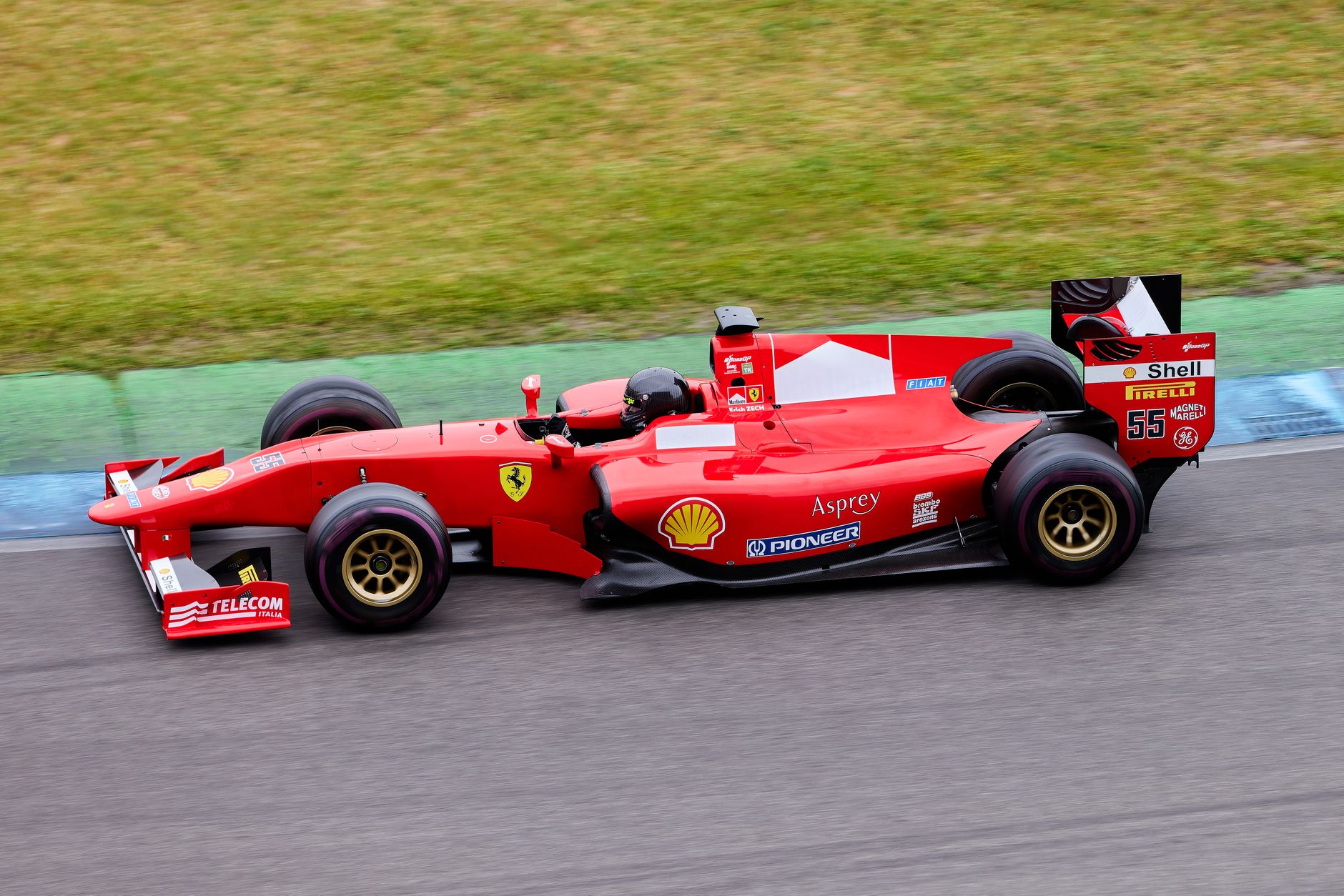
Formula 1 (F1), teams, and engine manufacturers reached an agreement in principle with the Fédération Internationale de l'Automobile (FIA) following discussions on 16 November 2026 to adopt a 2.1-litre V8 turbo hybrid engine as early as the 2030 season.
Despite agreeing on the core V8 architecture, F1 engine manufacturers continue to reject a proposal for a standardised engine built by an external supplier, preferring to design and manufacture their own power units. For Malaysian F1 followers and motorsport audiences, this agreement signals a planned shift towards louder, lighter cars running on sustainable fuel, though the source report does not mention any local Malaysian road-car or event implications.
Key Facts
The proposed Formula 1 (F1) power unit replaces the current 1.6-litre V6 turbo hybrid with a 2.1-litre V8 turbo hybrid featuring reduced electrical output, lighter cars, and sustainable fuel. Under the proposed 2030 F1 regulations, overall car weight is targeted at less than 700 kg while engine development costs are projected to fall by around 50 per cent.
| Attribute | Value |
| Proposed Power Unit | 2.1-litre V8 turbo hybrid |
| Current Power Unit | 1.6-litre V6 turbo hybrid |
| Proposed Electrical System Power | Reduced from 350 kW to 200 kW |
| Continuous Electrical Power | 100 kW |
| Push-to-Pass System | Additional 100 kW for overtaking assistance |
| Turbocharger | Smaller unit with lower boost pressure |
| Fuel | Sustainable fuel |
| Target Car Weight Reduction | Around 80 kg |
| Target Overall Car Weight | Less than 700 kg |
| Target Engine Development Cost Reduction | Around 50 per cent |
| In-Race Refuelling | Not planned to be reintroduced |
| Target Implementation Season | As early as 2030 (2031 also under discussion) |
| Standard Engine Proposal | Rejected by engine manufacturers |
| Agreement Status | Agreement in principle; subject to final FIA regulatory decisions and approval |
What Are the Technical Specifications of the 2.1-Litre V8 Turbo Hybrid Engine?
The proposed Formula 1 (F1) power unit is a 2.1-litre V8 turbo hybrid running on sustainable fuel, paired with a simpler hybrid system and a smaller turbocharger with lower boost pressure. Proposals also reduce electrical system power from 350 kW to 200 kW, alongside 100 kW continuous electrical power and an additional 100 kW push-to-pass overtaking system.
According to a 16 November 2026 report by The Race titled "F1 poised to take crucial step towards V8 engines' return", the proposal replaces the 1.6-litre V6 turbo hybrid and gives a greater role to the internal combustion engine. Manufacturers are expected to utilise part of their existing technology by adding two cylinders and modifying related components. Reducing electrical power is intended to restore the internal combustion engine's influence on car performance while producing a louder V8 sound than the 1.6-litre V6 turbo hybrid.
The proposed 2.1-litre V8 turbo hybrid F1 engine reduces electrical system output from 350 kW to 200 kW and uses sustainable fuel to give the internal combustion engine greater influence over car performance.
Why Did F1 Engine Manufacturers Reject a Standard Engine?
Engine manufacturers rejected the proposal for a standard engine built by an external supplier because they want to continue designing and producing their own Formula 1 (F1) power units. Manufacturers regard power unit technology as a primary factor determining competitive performance advantage and fear a standard engine would limit engineering competition.
While broad agreement exists around the basic V8 architecture, engine manufacturers do not support sourcing a standardised unit externally. The FIA had reportedly considered the standard-engine approach to cut development costs and narrow performance gaps between manufacturers, whereas manufacturers are concerned it would diminish the significance of in-house technological development.
Despite agreeing in principle to a 2.1-litre V8 turbo hybrid layout, F1 engine manufacturers oppose an externally supplied standard engine to preserve engineering competition and proprietary power unit development.
How Will the New Regulations Affect F1 Car Weight, Costs, and Refuelling?
The proposed power unit changes are linked to FIA targets to cut Formula 1 (F1) car weight by around 80 kg to less than 700 kg overall and reduce engine development costs by around 50 per cent. In-race refuelling is not planned to be reintroduced due to safety considerations and operational complexity.
Lighter cars are expected to improve agility when cornering and braking, while a simpler hybrid system offers potential savings in development expenditure. Plans to bring back in-race refuelling are not being pursued because of safety factors and operational complexity.
The FIA's proposed V8 regulatory package targets an F1 car weight reduction of around 80 kg to under 700 kg and an engine development cost reduction of around 50 per cent without reintroducing in-race refuelling.
When Will the 2.1-Litre V8 Engine Be Introduced in F1?
FIA President Mohammed Ben Sulayem aims to introduce the 2.1-litre V8 turbo hybrid engine in the 2030 Formula 1 (F1) season, although a 2031 debut is also under discussion. The agreement remains in principle only, meaning technical specifications, engine development methods, and the final implementation date still await official FIA regulatory approval.
As reported by RacingNews365 on 17 November 2026 in "V8 engines set for F1 return in 2030 as key agreement reached", the current power unit regulatory cycle that began in 2026 was originally scheduled to run until the end of the 2030 season. Introducing the V8 in 2031 is viewed as better aligned with a five-year development period, particularly for manufacturers such as Audi seeking to ensure investments in current engine technology can be utilised. If introduced in 2030, it would mark the return of V8 engines to F1 after 17 years, following their final season in 2013—when Sebastian Vettel won his fourth consecutive World Championship with 13 victories in the Renault 2.4-litre V8 naturally aspirated Red Bull RB9—before 1.6-litre V6 turbo hybrid units took over in 2014.
Introducing the 2.1-litre V8 turbo hybrid engine in 2030 would end a 17-year absence of V8 power units in F1, though 2031 remains under consideration to accommodate a five-year development cycle for manufacturers including Audi.
How It Compares for Malaysian Users
For Malaysian Formula 1 (F1) audiences and motorsport followers, this announcement outlines how F1 plans to move from the current 1.6-litre V6 turbo hybrid era to a louder 2.1-litre V8 turbo hybrid format. The source report focuses solely on F1 sporting regulations and does not specify Malaysian consumer or road-car implications.
| Power Unit Era | Configuration | Electrical System Power | Fuel and Turbocharger |
| 2013 F1 Power Unit (Final V8 Season) | 2.4-litre V8 naturally aspirated (e.g. Renault in Red Bull RB9) | Not applicable (naturally aspirated V8) | Naturally aspirated |
| Current F1 Power Unit (Since 2014) | 1.6-litre V6 turbo hybrid | 350 kW | Turbo hybrid |
| Proposed 2030/2031 F1 Power Unit | 2.1-litre V8 turbo hybrid | 200 kW (100 kW continuous; additional 100 kW push-to-pass) | Sustainable fuel; smaller turbocharger with lower boost pressure |
Compared with the 1.6-litre V6 turbo hybrid introduced in 2014 and the 2.4-litre naturally aspirated V8 last raced in 2013, F1's proposed 2.1-litre V8 turbo hybrid pairs sustainable fuel with a 200 kW electrical system and a smaller, lower-boost turbocharger.
Common Questions
These answers address key questions on the proposed 2030 Formula 1 (F1) 2.1-litre V8 turbo hybrid regulations, covering engine sound, the 2030 versus 2031 timeline, and standard-engine proposals. All technical specifications and dates remain subject to final regulatory approval by the FIA.
Will the 2030 F1 2.1-litre V8 engine sound louder than the current V6 turbo hybrid?
Yes, reducing electrical system power from 350 kW to 200 kW and moving to a 2.1-litre V8 turbo hybrid is intended to restore the internal combustion engine's performance influence and produce a louder V8 sound than the 1.6-litre V6 turbo hybrid.
Is the 2030 start date for F1 V8 engines confirmed, or could it shift to 2031?
The 2030 start date is not yet final because the agreement is only in principle. FIA President Mohammed Ben Sulayem favours 2030, whereas 2031 aligns better with a five-year development period for manufacturers such as Audi, pending final FIA regulatory approval.
Will F1 teams use a standardised V8 engine from an external supplier in 2030?
No, engine manufacturers have rejected the proposal for a standard engine built by an external supplier. Although the FIA considered the idea to cut costs and narrow performance gaps, manufacturers want to continue designing and building their own Formula 1 (F1) engines.
Sources and Methodology
This article was compiled and translated from Malay from the 17 November 2026 Careta motorsport report by Qalif Latif, titled "F1 Reaches Deal on 2.1L Turbo Hybrid V8 Engine for 2030", which cites The Race and RacingNews365. All figures, specifications, and dates come directly from that report, with no currency values stated.
Original report: Careta
No currency conversions were required because the source material contains no pricing figures. This article is based on the source report above and was last updated on 18 November 2026.
Related coverage
- 2026 Toyota Calya Facelift Hits Indonesia Under RM 50,000
- Lexus ES 350h Luxury Review Keeps Drives Calm and Refined
- Malaysia Eyes EV Levy to Speed Up 30,000 Chargers by 2030
- Zeekr 009 Facelift Heading to Malaysia With More Power
- Malaysia Reaches 7,341 EV Chargers, Eyes 30,000 by 2030
- Refreshed Toyota Yaris Priced From RM90,400 in Malaysia