Malaysia Reaches 7,341 EV Chargers, Eyes 30,000 by 2030
Malaysia now has 7,341 EV chargers nationwide as it targets 30,000 units by 2030. Explore the latest charging rollout updates and what this means for drivers.
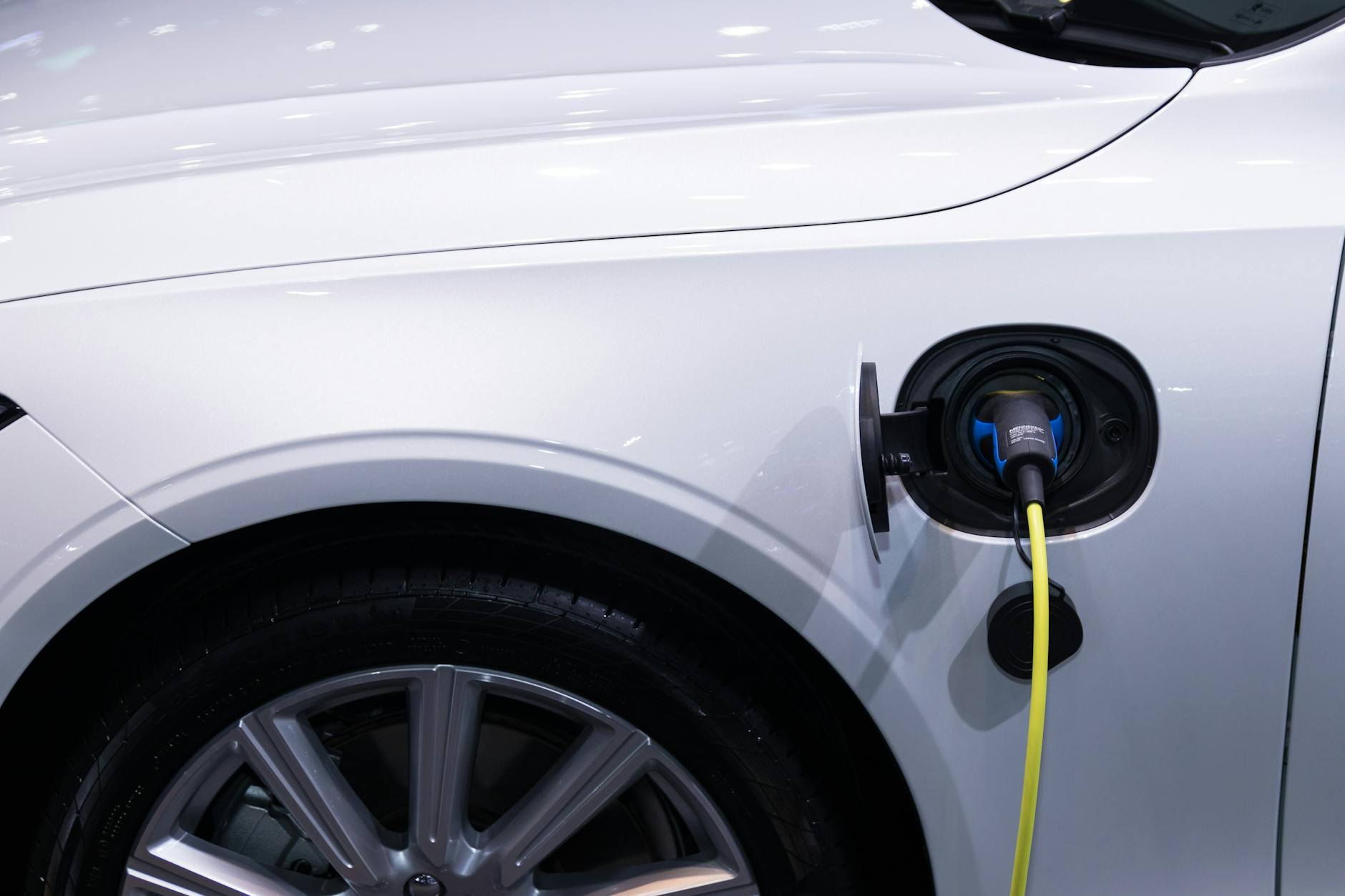
Deputy Minister of Investment, Trade and Industry Sim Tze Tzin announced in the Dewan Rakyat on 16 November 2026 that Malaysia has installed 7,341 public electric vehicle (EV) chargers nationwide as of 30 September 2026. Responding to Datuk Seri Hishammuddin Hussein (BN-Sembrong), he confirmed the government targets 30,000 units by 2030.
Of the 7,341 public chargers installed, 4,992 are alternating current (AC) units and 2,349 are direct current (DC) fast chargers. Driven primarily by private sector Charge Point Operators (CPO) under Dasar Automotif Nasional (NAP) 2020 and New Industrial Master Plan 2030 (NIMP 2030), the expansion affects EV charging access for Malaysian motorists across urban and rural areas.
Key Facts
As of 30 September 2026, Malaysia operates 7,341 public EV chargers nationwide, comprising 4,992 AC units and 2,349 DC fast chargers. Achieving the national target of 30,000 EV chargers by 2030 requires an additional 22,659 units through private sector investment alongside state government and industry support.
| Attribute | Value |
| Total Public EV Chargers (as of 30 September 2026) | 7,341 units |
| Alternating Current (AC) Chargers | 4,992 units |
| Direct Current (DC) Fast Chargers | 2,349 units |
| 2030 National Target | 30,000 units |
| Additional Chargers Required | 22,659 units |
| Parliamentary Update Date | 16 November 2026 (Dewan Rakyat) |
| Reporting Minister | Sim Tze Tzin, Deputy Minister of Investment, Trade and Industry |
| Policy Frameworks | Dasar Automotif Nasional (NAP) 2020 and New Industrial Master Plan 2030 (NIMP 2030) |
| Key Implementation Partners | Suruhanjaya Tenaga, Tenaga Nasional Berhad (TNB), local authorities (PBT), and Charge Point Operators (CPO) |
Malaysia had 7,341 public EV chargers installed nationwide as of 30 September 2026 and needs 22,659 additional units to reach its target of 30,000 chargers by 2030.
How Many EV Chargers Does Malaysia Have and What Is the 2030 Target?
Malaysia has 7,341 public EV chargers nationwide as of 30 September 2026, consisting of 4,992 AC chargers and 2,349 DC fast chargers. The federal government targets 30,000 EV chargers across the country by 2030, meaning an additional 22,659 units are still needed to meet that goal.
During the Dewan Rakyat question-and-answer session on 16 November 2026, Deputy Minister Sim Tze Tzin explained that infrastructure growth is currently driven mainly by private sector investment through Charge Point Operators (CPO), backed by state governments and industry players under Dasar Automotif Nasional (NAP) 2020 and New Industrial Master Plan 2030 (NIMP 2030).
Of Malaysia's 7,341 public EV chargers installed by 30 September 2026, 4,992 are AC units and 2,349 are DC fast chargers, with 22,659 more required to hit 30,000 units by 2030.
Why Are EV Chargers Limited Outside Major Cities and How Will Rural Areas Be Covered?
Private Charge Point Operators (CPO) decide where to build charging stations based on commercial factors, specifically consumer demand, installation costs, and electricity supply availability. To broaden access beyond major urban centres, the government is encouraging CPO investment in rural areas and small towns alongside private home charging for eligible residents.
Addressing a question from Datuk Seri Hishammuddin Hussein (BN-Sembrong), Sim Tze Tzin stated that expanding charging access outside major cities ensures EV adoption benefits more motorists. The government encourages deployment at the following locations and premises:
- Strategic rural and small-town sites including toll plazas, federal roads, commercial areas, and tourist destinations.
- Business premises, shopping centres, and public facilities for additional AC charger installations.
- Private residences in rural areas or small towns where EV owners have suitable parking space and electricity supply for daily charging.
In Malaysia, commercial decisions to build EV charging stations depend on consumer demand, installation costs, and local electricity supply availability, while the government is encouraging rural expansion at toll plazas, federal roads, commercial areas, and tourist destinations.
How Are Regulators and Utilities Supporting EV Charger Rollout in Malaysia?
Regulators and utility providers are strengthening inter-agency coordination to resolve operational bottlenecks in deploying EV chargers nationwide. Cooperation between Suruhanjaya Tenaga, Tenaga Nasional Berhad (TNB), local authorities (PBT), and Charge Point Operators (CPO) will be enhanced to streamline site acquisition, electricity supply connections, and project implementation issues.
These collaborative measures support the national target of 30,000 EV chargers by 2030 under Dasar Automotif Nasional (NAP) 2020 and New Industrial Master Plan 2030 (NIMP 2030), ensuring that EV adoption is not confined to major urban areas.
Malaysia is strengthening cooperation among Suruhanjaya Tenaga, Tenaga Nasional Berhad (TNB), local authorities (PBT), and Charge Point Operators (CPO) to simplify site acquisition, electricity supply connections, and project implementation for EV chargers.
Who Is This For in Malaysia?
This update directly concerns Malaysian EV owners and prospective buyers living in rural areas and small towns, motorists travelling along federal roads and toll plazas, and commercial property operators. It also outlines policy priorities for private Charge Point Operators (CPO) planning network expansion toward Malaysia's 2030 target.
For drivers in rural areas and small towns, Sim Tze Tzin noted that installing a private home charger is a practical option for daily charging if suitable parking space and electricity supply are available, reducing full dependence on public charging stations. Meanwhile, operators of shopping centres, business premises, and public facilities remain encouraged to host AC chargers.
Rural and small-town EV owners in Malaysia with suitable parking space and electricity supply can use private home chargers for daily needs without relying solely on public charging stations.
Common Questions
The following answers address key practical questions raised in the Dewan Rakyat update on 16 November 2026 regarding Malaysia's public and home EV charging rollout. Malaysia's EV charging network stood at 7,341 public units as of 30 September 2026, with expansion focused on rural and small-town access.
Can rural Malaysian EV owners rely on home charging instead of public stations?
Based on Deputy Minister Sim Tze Tzin's Dewan Rakyat explanation, EV owners in rural areas and small towns can install private home chargers if they have suitable parking space and electricity supply. This enables daily vehicle charging without relying completely on public charging stations.
Where will new EV chargers be placed outside major Malaysian cities?
The government is encouraging Charge Point Operators (CPO) to invest in rural areas and small towns at strategic sites including toll plazas, federal roads, commercial areas, and tourist destinations, alongside continued AC charger installations at business premises, shopping centres, and public facilities.
How much does it cost to build or use a public EV charger in Malaysia?
Specific installation costs and user charging fees have not been announced in the parliamentary update. However, Deputy Minister Sim Tze Tzin stated that commercial decisions by Charge Point Operators (CPO) to build stations depend on installation costs, consumer demand, and electricity supply availability.
Sources and Methodology
All figures, dates, and policy references in this article are translated from the Malay-language domestic news report by Firdaus Razani published on Careta, titled "Malaysia Reaches 7,341 EV Chargers, Eyes 30,000 by 2030". No currency conversions were required. All charging figures reflect official data reported as of 30 September 2026.
Original report: Careta
This article is based on the source report above and was last updated on 16 November 2026.
Related coverage
- Zeekr 009 Facelift Heading to Malaysia With More Power
- Refreshed Toyota Yaris Priced From RM90,400 in Malaysia
- Nissan X-Trail e-POWER e-4ORCE Debuts on Malaysian Roads
- ZXMOTO 820RR Officially Launches in Malaysia at RM39,888
- ZF High Revolution Drive Offers Higher Speeds in Less Space
- Volkswagen ID. Polo Wins 2026 Golden Steering Wheel Award