Malaysia Eyes EV Levy to Speed Up 30,000 Chargers by 2030
Could an EV levy help Malaysia build 30,000 chargers by 2030? Learn how the government proposal aims to speed up rollout and what it means for EV drivers.
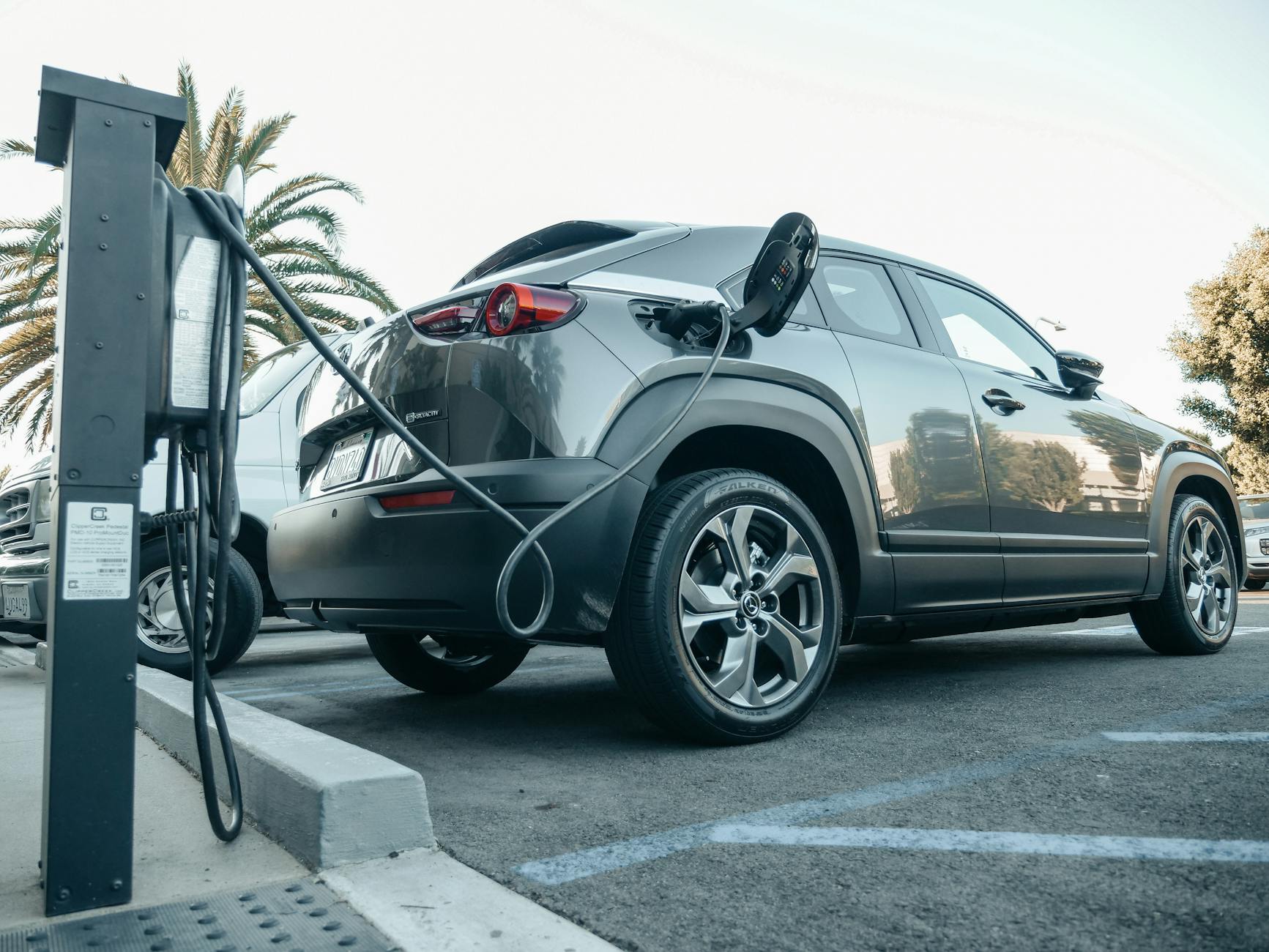
The Malaysian government is considering an electric vehicle (EV) levy to accelerate public charging infrastructure towards its target of 30,000 charging points by 2030, as reported on 16 November 2026. Deputy Minister of Investment, Trade and Industry (MITI) Sim Tze Tzin told the Dewan Rakyat that the proposal remains at the study stage.
Under the proposal, an EV levy would function as an additional government charge to help finance nationwide public charging network expansion, including in rural areas and small towns. For Malaysian EV drivers and prospective buyers, MITI has not yet announced or finalised any levy rate, collection mechanism, liable party, or implementation date, as the government continues reviewing infrastructure development costs.
Key Facts
| Attribute | Value |
| Proposed Policy | Electric vehicle (EV) levy (under study) |
| Lead Ministry | Ministry of Investment, Trade and Industry (MITI) |
| 2030 Charging Target | 30,000 EV charging points |
| Public Charging Stations and Points (as of 30 September 2026) | 7,341 |
| Alternating Current (AC) Chargers Installed | 4,992 |
| Direct Current (DC) Fast Chargers Installed | 2,349 |
| Target Progress (as of 30 September 2026) | Approximately 24.5 per cent |
| Additional Charging Points Required | 22,659 |
| Highway DC Chargers Operating | 148 |
| Active Charge Point Operators (CPOs) | 20 |
| Levy Rate, Collection Mechanism, and Implementation Date | Not yet announced |
How Would Malaysia’s Proposed EV Levy Work?
Malaysia’s proposed electric vehicle (EV) levy is an additional government charge currently under study by the Ministry of Investment, Trade and Industry (MITI) to help fund public charging network expansion. No levy rate, collection mechanism, liable party, or implementation date has been announced or finalised.
According to a Bernama report published by Malay Mail on 16 November 2026 titled “EV levy among options being considered to speed up charging network rollout, says Miti”, Sim Tze Tzin raised the matter during Question Time in the Dewan Rakyat on Monday. He was answering a supplementary question from Datuk Ku Abd Rahman Ku Ismail (PN-Kubang Pasu) regarding government steps to achieve 30,000 charging points, including in rural areas and small towns, and noted that infrastructure development costs must be examined before any decision is made.
Malaysia’s proposed EV levy remains at the study stage under MITI, with no rate, collection mechanism, liable party, or implementation date announced as of 16 November 2026.
How Many Public EV Chargers Does Malaysia Have Now?
Malaysia had 7,341 public EV charging stations and points installed nationwide as of 30 September 2026, comprising 4,992 alternating current (AC) chargers and 2,349 direct current (DC) fast chargers. This represents approximately 24.5 per cent of the government’s 2030 target of 30,000 charging points.
Based on figures presented by Sim Tze Tzin in the Dewan Rakyat, Malaysia still requires an additional 22,659 charging points to meet its 2030 goal. Along major highways, 148 DC chargers are currently operating at Rest and Service areas (R&R), lay-bys, and petrol stations, while 20 charge point operators (CPOs) are actively developing the infrastructure.
As of 30 September 2026, Malaysia has installed 7,341 public EV charging points—4,992 AC and 2,349 DC—leaving 22,659 more needed to reach the 2030 target of 30,000.
Why Is EV Charging Expansion Slow in Rural Areas and Highways?
Expanding Malaysia’s EV charging network faces high electrical substation construction and upgrade costs, lengthy planning and building timelines, and commercial viability considerations. Because the government does not mandate where operators install chargers, deployment depends on consumer demand and collaboration with Tenaga Nasional Berhad (TNB) for power supply capacity.
Responding to Datuk Seri Hishammuddin Tun Hussein (BN-Sembrong) on consumer concerns regarding EV travel range and rural charging availability, Sim Tze Tzin explained that expanding the network requires cooperation with TNB to increase electricity supply capacity by building or upgrading substations. Because substation development is costly and time-consuming, the government continues encouraging private sector participation rather than forcing operators into specific locations.
Malaysia does not mandate where charge point operators install EV chargers, instead encouraging private sector participation alongside Tenaga Nasional Berhad (TNB) substation upgrades.
Who Is This For in Malaysia?
This policy review affects Malaysian electric vehicle (EV) drivers, prospective EV buyers, highway motorists, and the 20 active charge point operators (CPOs) expanding national infrastructure. Drivers travelling long distances or living in rural areas and small towns rely on public AC, DC, and highway charging availability.
| Infrastructure Metric | Current Status (as of 30 September 2026) | 2030 Target / Remaining Gap |
| Total Public EV Charging Points | 7,341 installed (approximately 24.5 per cent) | 30,000 target (22,659 additional needed) |
| Charger Type Breakdown | 4,992 AC chargers and 2,349 DC fast chargers | Not announced |
| Highway DC Chargers | 148 operating at R&R areas, lay-bys, and petrol stations | Private sector and TNB expansion encouraged |
Malaysian EV drivers currently rely on 7,341 public charging points nationwide, including 148 highway DC chargers at R&R areas, lay-bys, and petrol stations.
Common Questions
How much is the proposed EV levy in Malaysia?
The rate for Malaysia’s proposed EV levy has not yet been announced. According to Deputy Minister of Investment, Trade and Industry (MITI) Sim Tze Tzin, the proposal remains at the study stage, with no collection mechanism, liable party, or implementation date finalised so far.
How many EV chargers are available along Malaysian highways?
There are 148 direct current (DC) fast chargers currently operating along major highways in Malaysia. These facilities are located at Rest and Service areas (R&R), lay-bys, and petrol stations, supported by 20 charge point operators (CPOs) actively developing the national charging network.
Why are there fewer EV chargers in rural areas of Malaysia?
Rural EV charger rollout faces high electrical substation construction and upgrade costs alongside long planning timelines with Tenaga Nasional Berhad (TNB). Additionally, the government does not mandate charger locations, as private operators must assess consumer demand and commercial viability before investing.
Sources and Methodology
All facts, figures, and parliamentary statements in this article are translated from Malay from the Careta report dated 17 November 2026, titled “Malaysia Eyes EV Levy to Speed Up 30,000 Chargers by 2030”.
Original report: Careta
This article is based on the source report above and was last updated on 17 November 2026.
Related coverage
- Zeekr 009 Facelift Heading to Malaysia With More Power
- Malaysia Reaches 7,341 EV Chargers, Eyes 30,000 by 2030
- Refreshed Toyota Yaris Priced From RM90,400 in Malaysia
- Nissan X-Trail e-POWER e-4ORCE Debuts on Malaysian Roads
- ZXMOTO 820RR Officially Launches in Malaysia at RM39,888
- ZF High Revolution Drive Offers Higher Speeds in Less Space