Mercedes-Benz Halts German Investments, Two Plants at Risk
Mercedes-Benz halts new investments in Germany, putting two factories at risk of closure. Read what this strategic shift means for auto manufacturing today.
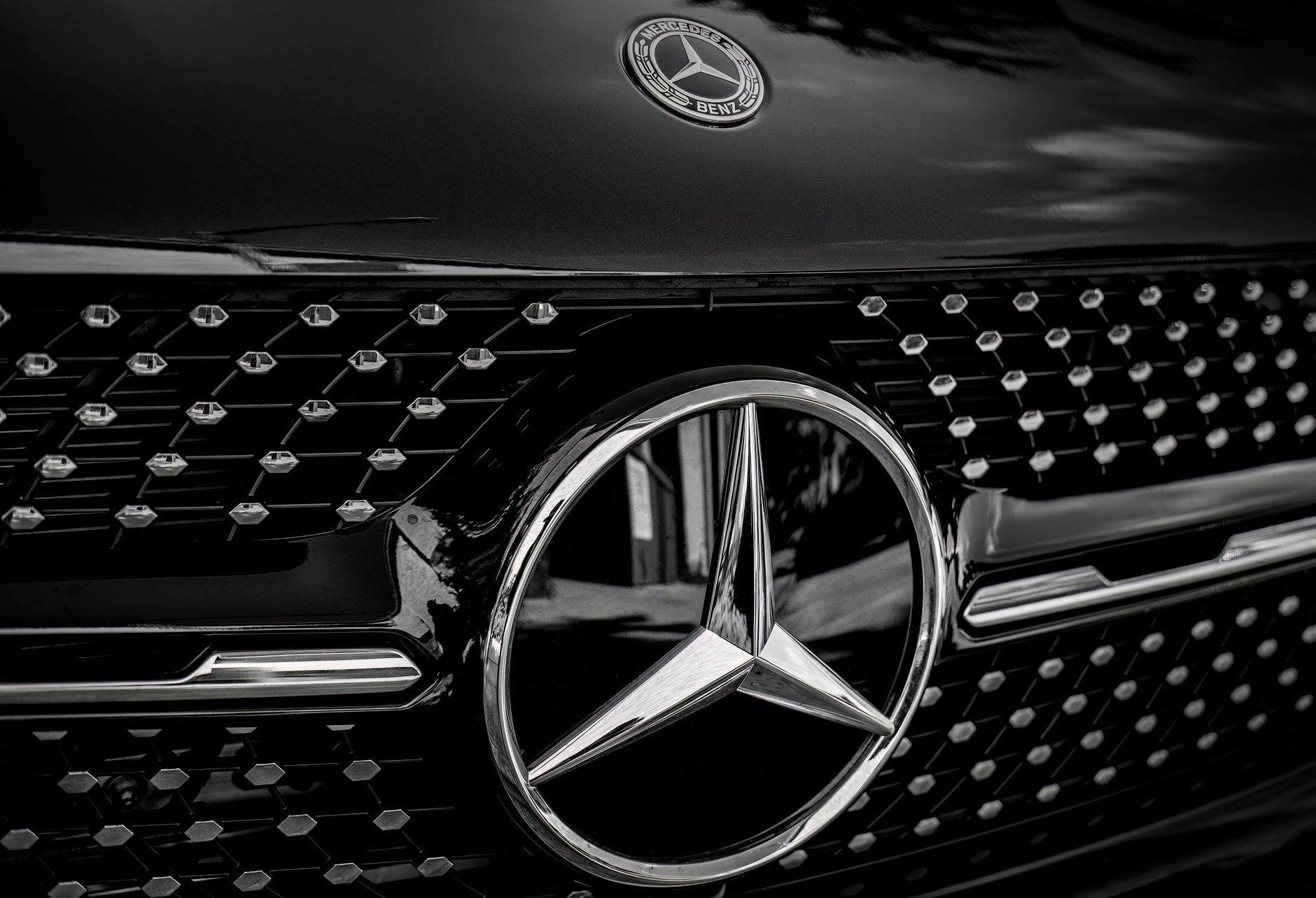
Mercedes-Benz has halted all new investments at its factories in Germany as reported on 16 November 2026, putting two production plants at risk of closure. The decision follows an internal memo to workers after management failed to reach a labour cost-reduction agreement with worker representatives and trade unions.
German automaker Mercedes-Benz confirmed the freeze through Head of Production Michael Schiebe, citing high vehicle manufacturing costs, rising operating expenses, and competition from Chinese manufacturers. For Malaysian and global observers, no official plant closures have been announced while talks with trade union IG Metall continue.
Key Facts
Mercedes-Benz confirmed on 16 November 2026 that all further investments at its German production facilities have been halted due to high domestic manufacturing costs. Two Mercedes-Benz facilities in Germany face potential closure, though no official shutdown has been announced and exact plant locations remain undisclosed.
| Attribute | Value |
| Manufacturer | Mercedes-Benz |
| Report Date | 16 November 2026 |
| Investment Decision | All new investments halted at German production facilities |
| Facilities at Risk | Two plants (one vehicle assembly plant and one powertrain production plant) |
| Affected Locations | Not disclosed |
| Official Closure Status | No plant closures announced as of the Reuters report |
| Primary Drivers Cited | High German manufacturing costs, rising operating costs, and competition from Chinese manufacturers |
| Active Union Negotiations | IG Metall (largest trade union in Germany) |
| Executives Cited | Michael Schiebe (Head of Production) and Britta Seeger (Management Board Member) |
Why Did Mercedes-Benz Halt Investments in Germany?
Mercedes-Benz halted all new investments at its German plants due to high vehicle manufacturing costs, rising operating expenses, and growing competition from Chinese manufacturers. The freeze followed an internal employee memo issued after management failed to reach a labour cost-reduction agreement with worker representatives and trade unions.
According to a Reuters report titled "Mercedes-Benz halts German investments as plant closures loom", Head of Production Michael Schiebe confirmed the joint management decision after months of urging staff and union representatives to find cost-cutting solutions. Management Board Member Britta Seeger explained that while the company wants to avoid closures, current conditions force management to examine that option more seriously. Mercedes-Benz halted all further investments across its German production locations after failing to secure a labour cost-reduction agreement with worker representatives and trade unions.
Which Mercedes-Benz Plants Face Closure Risk?
Two Mercedes-Benz facilities in Germany face potential closure if cost-reduction negotiations fail to progress, consisting of one vehicle assembly plant and one powertrain production plant. However, the company has not disclosed the exact locations of either site and has not announced any official closures.
Head of Production Michael Schiebe warned in September that two German plants might have to close if cost-reduction talks showed no progress. As of the Reuters report's publication, negotiations remain ongoing with IG Metall, the largest trade union in Germany. Michael Schiebe warned in September that one Mercedes-Benz vehicle assembly plant and one powertrain production plant in Germany could face closure if cost-reduction talks fail to progress.
How Does This Compare to Broader Pressures in Germany's Automotive Industry?
Mercedes-Benz's investment freeze reflects wider economic strain across Germany's automotive industry, driven by high operating costs, intense competition in China, and rising Chinese market share in Europe. Major German manufacturers and component suppliers are increasingly pursuing restructuring, job reductions, and facility closures to defend competitiveness.
- Volkswagen faces major restructuring plans that could result in up to 100,000 workers losing their jobs and the closure of up to four plants in Germany.
- Automotive component supplier Schaeffler announced plans to cut 3,460 jobs and close five facilities in Europe, including four in Germany, following weak demand for internal combustion engine vehicles.
- Consulting firm Roland Berger warned that at least 200,000 jobs in the German automotive industry are at risk of being affected by 2030.
Automotive industry analyst Ferdi Dudenhoeffer stated that Mercedes-Benz's decision is not surprising given repeated warnings about operating difficulties in Germany, adding that the industry's future depends on manufacturers restructuring their cost structures to remain competitive. Consulting firm Roland Berger has warned that at least 200,000 jobs in the German automotive industry are at risk of being affected by 2030.
Who Is This For in Malaysia?
This development is relevant to Malaysian luxury car buyers, automotive industry observers, and existing Mercedes-Benz owners monitoring European manufacturing stability and Chinese automaker competition. However, the source report does not announce any changes to Malaysian vehicle pricing, model availability, or local operations.
| Organisation | Reported Restructuring or Forecast | Geographic Scope in Source |
| Mercedes-Benz | Halted new investments; two plants at risk of closure | Germany (exact plant locations undisclosed) |
| Volkswagen | Up to 100,000 jobs affected; up to four plant closures | Germany |
| Schaeffler | 3,460 job cuts; five facility closures | Europe, including four facilities in Germany |
| Roland Berger (Forecast) | At least 200,000 automotive jobs at risk by 2030 | German automotive industry |
While the report notes intense competition in China—previously a crucial profit market for German automakers—and expanding Chinese market share in Europe, no Malaysian-specific impacts have been disclosed. Mercedes-Benz's decision currently covers only a suspension of new German factory investments and an evaluation of potential closures rather than an official plant shutdown announcement.
Common Questions
Readers evaluating the impact of Mercedes-Benz's announcement can review confirmed facts regarding plant closures, affected German facilities, and potential overseas market effects below. As of the Reuters report cited in the source, Mercedes-Benz has not announced any official plant closures in Germany and continues negotiating with IG Metall.
Has Mercedes-Benz officially closed any factories in Germany?
No, Mercedes-Benz has not announced any official plant closures as of the Reuters report. Currently, the automaker has only halted all new investments at its German production facilities and is considering closures while negotiations with Germany's largest trade union, IG Metall, continue.
Which Mercedes-Benz plants in Germany are at risk of closing?
The two German facilities at risk consist of one vehicle assembly plant and one powertrain production plant, as previously warned by Head of Production Michael Schiebe in September. However, Mercedes-Benz has not disclosed the exact locations or names of either facility.
Will Mercedes-Benz's investment freeze affect Malaysian car prices or availability?
Specific impacts on Malaysian vehicle pricing, availability, or local deliveries have not been announced in the source report. The report focuses solely on Mercedes-Benz halting new investments in Germany and considering potential closures of two domestic plants amid high German manufacturing costs.
Sources and Methodology
This article is derived exclusively from Careta's report titled "Mercedes-Benz Halts German Investments, Two Plants at Risk" by Qalif Latif, published on 16 November 2026. All factual statements, figures, and executive attributions were translated from Malay into British English without external extrapolation. No currency conversions were required because the original Careta report did not state any monetary figures.
Original report: Careta
This article is based on the source report above and was last updated on 16 November 2026.
Related coverage
- Kimi Antonelli Crowned Youngest F1 World Champion in Mexico
- Mercedes-Benz Expands Nvidia Partnership for Next-Gen Tech
- Mercedes-Benz Puts CLA Safety to Real-World Crash Test
- Malaysia Opens RM2.2 Million Mercedes-AMG ONE Service Centre
- Mercedes Backs Sepang Night Race for Formula 1 Return
- Mercedes-AMG GT SUV Debuts With 1,169 HP and 2.5s Sprint
More on Mercedes-Benz: all Mercedes-Benz news