Luxembourg Adds Petrol Station Style EV Price Boards
Discover how Luxembourg makes EV charging simpler and more transparent by using petrol station style price display boards to show live rates for all drivers.
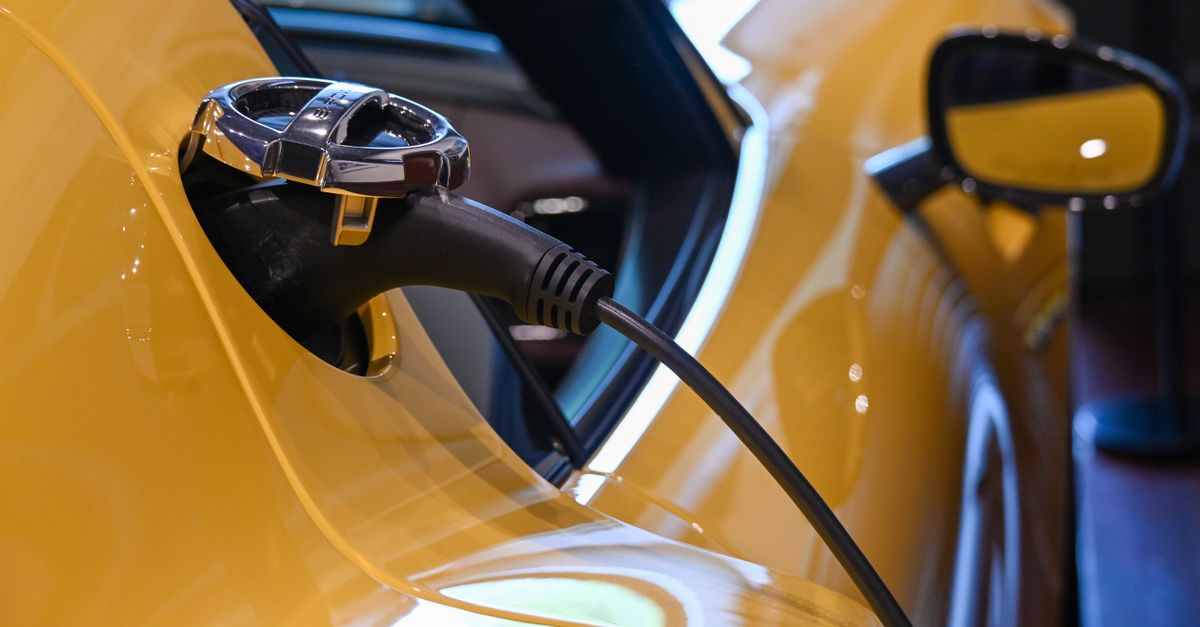
The Copal Shopping Center electric vehicle (EV) charging facility in Mertert-Wasserbillig, Luxembourg, is an open-access EV charging infrastructure model operated under the Bestcharge brand by PC-Tank. The installation solves EV charging price obscurity by displaying real-time AC and DC rates on large roadside pricing totems identical to conventional petrol station boards. For Malaysian EV drivers accustomed to consulting separate smartphone applications prior to parking, this infrastructure showcases how transparent, subscription-free public charging with direct credit card processing eliminates range anxiety and digital fragmentation in high-density commercial hubs.
Key Facts
| Attribute | Value |
|---|---|
| Facility Location | Copal Shopping Center, Mertert-Wasserbillig, Luxembourg |
| Charging Operator | Bestcharge (PC-Tank brand) |
| Reported Date | 19 October 2026 |
| AC Charging Rate | €0.29 per kWh (approximately RM1.33 per kWh) |
| DC Fast Charging Rate | €0.39 per kWh (approximately RM1.79 per kWh) |
| AC Charging Capacity | 8 units up to 22 kW (Type 2 connector) |
| DC Charging Capacity (300 kW) | 4 units up to 300 kW (CCS / CHAdeMO) |
| DC Charging Capacity (400 kW) | 4 units up to 400 kW (CCS / CHAdeMO) |
| Payment Methods Accepted | Credit card, Bestcharge card, Bestcharge application |
| Energy Source | Renewable energy, including on-site rooftop and rear solar arrays |
**The Copal facility operates eight 22 kW AC chargers alongside eight ultra-fast DC chargers reaching up to 400 kW with direct credit card payment support.**
How Does the Petrol Station-Style EV Price Board Work?
The petrol station-style EV price board functions as a large-format physical roadside totem that displays live charging tariffs for AC and DC bays before drivers pull into a parking spot. Drivers read the operational kilowatt-hour price directly from their vehicle windscreen, eliminating the necessity to consult mobile applications or wander between individual charging pedestals to locate billing notices.
Visual verification shared in the Elektroauto D-A-CH-FL Facebook community depicted a Renault Zoe parked beside a commercial totem clearly segmenting AC and DC tariffs. According to automotive outlet Careta, quoting official Copal operational specifications, this configuration enables complete cost predictability prior to committing to a charging stall:
Careta (19 October 2026): "Berdasarkan maklumat rasmi Copal, kadar pengecasan AC di lokasi tersebut ialah €0.29 (RM1.33) bagi setiap kWh, manakala pengecasan DC berharga €0.39 (RM1.79) bagi setiap kWh."
In contrast to Malaysian commercial car parks where tariffs remain hidden behind proprietary applications, physical signage standardises pricing visibility across all EV makes. **Displaying AC and DC rates on physical totem boards allows electric vehicle drivers to verify charging costs directly from inside their vehicles prior to plugging in.**
Can EV Drivers Pay with a Credit Card Without a Subscription?
Drivers can settle charging sessions using standard credit cards directly at the terminal without registering for memberships or binding contracts. Bestcharge provides ad-hoc payment interfaces for transient motorists, while maintaining identical published rates across credit card terminals, proprietary RFID charging cards, and its smartphone application.
According to official Copal commercial terms, the baseline rates of €0.29 (RM1.33) per kWh for AC and €0.39 (RM1.79) per kWh for DC apply to direct credit card payments, Bestcharge cards, and the Bestcharge mobile application. Roaming cards from third-party mobility service providers may incur external surcharge differentials. PC-Tank operates the Bestcharge charging network on a no-commitment framework designed for casual shoppers who do not require recurring monthly subscriptions.
**Bestcharge charging terminals accept direct credit card payments at base rates without requiring drivers to register subscriptions or commit to ongoing contracts.**
How Does the Charging Infrastructure Compare for Malaysian Users?
For Malaysian EV users accustomed to fragmented networks like JomCharge, Gentari, and ChargEV, the Luxembourg model resolves app proliferation by combining universal contactless payment with dual connector standards. The deployment pairs 22 kW Type 2 AC posts with high-output CCS and CHAdeMO DC chargers that match local automotive standards and grid conventions.
Malaysian public charging predominantly demands app pre-authorisation, leaving drivers stranded when underground basement mobile reception drops in Kuala Lumpur shopping malls. The Copal system allows drivers to supply their own Type 2 cables for 22 kW AC charging, matching standard Malaysian single-phase and three-phase onboard chargers, while DC units provide tethered CCS and selected CHAdeMO connections. Furthermore, the Copal installation sources daylight power from rooftop and ground-mounted solar photovoltaic arrays, an architecture directly transferable to Malaysia’s tropical sun exposure and commercial net energy metering frameworks.
**Adopting open credit card terminals and visible price totems resolves the connectivity and application fatigue experienced by electric vehicle drivers across commercial shopping malls in Malaysia.**
Common Questions
Do drivers need to bring their own charging cable?
Drivers using the eight 22 kW AC chargers must supply their own Type 2 cable. The eight DC fast chargers (delivering up to 300 kW and 400 kW) feature integrated, tethered cables supporting CCS and CHAdeMO standards.
Are credit card charging rates more expensive than app rates?
No, the listed rates of €0.29 (RM1.33) per kWh for AC and €0.39 (RM1.79) per kWh for DC apply equally to credit cards, Bestcharge cards, and the Bestcharge app. Third-party roaming cards may charge differing rates.
Is the electricity for these chargers supplied by solar power?
Yes, Copal powers the facility using renewable energy sources. During daytime hours, electricity is generated on-site using solar photovoltaic installations situated on the shopping centre roof and rear grounds.
Sources and Methodology
This technical overview synthesises factual data reported by automotive portal Careta in the article "Papan Harga Macam Stesen Minyak, Cara Luxembourg Mudahkan Pengecasan EV" published on 19 October 2026, authored by Qalif Latif, referencing operational disclosures from Copal Shopping Center, Bestcharge, PC-Tank, and community documentation from Elektroauto D-A-CH-FL.
Currency conversions from Euros (€) to Ringgit Malaysia (RM) follow the benchmark exchange rates cited in the primary source material: €0.29 converted to RM1.33, and €0.39 converted to RM1.79. Technical specifications regarding Type 2, CCS, and CHAdeMO connections reflect global automotive engineering standards verified against Malaysian charging network configurations. This article was last updated on 19 October 2026. Information specific to Malaysia was verified against prevailing domestic public charging guidelines and standard market practices.
Related coverage
- Mercedes-AMG GT SUV Debuts With 1,169 HP and 2.5s Sprint
- GAC Aion UT Earns Maximum 5-Star ANCAP Safety Rating
- Best Singapore Hawker Food Under S$10 to Try Today
- Tesla Model 3 Malaysia Gets V2L and Starts at RM149,000
- Next Gen Kia Sportage Spied with EV5 Inspired Styling
- Why More Tesla Model S Units Are Being Abandoned Today