KPDN Hopes Subsidy Allocations in Budget 2027
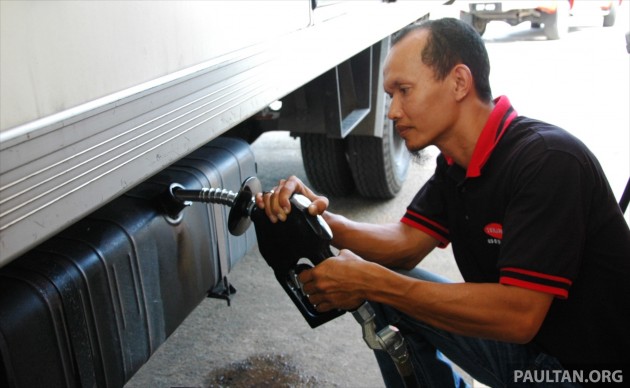
KPDN Ministry Seeks Continued Subsidy Allocations for Fuel, Cooking Oil in Budget 2027
The Ministry of Domestic Trade and Cost of Living (KPDN) in Malaysia has formally requested that subsidy allocations for the Subsidised Diesel Control System (SKDS), cooking oil, and the price standardisation programme for Sabah and Sarawak be maintained in Budget 2027. This request comes amid significant fiscal pressure, as fuel subsidy spending may nearly triple from initial projections. The ministry's primary objective is to ensure the stability of supply and prices for essential goods despite the rising cost of crude oil and fiscal constraints.
Key Facts
| Attribute | Value |
| Ministry | Ministry of Domestic Trade and Cost of Living (KPDN) |
| Minister | Datuk Armizan Mohd Ali |
| Budget Allocation (Budget 2026) | RM15 billion for fuel subsidies |
| Projected Fuel Subsidy Cost | Almost RM40 billion |
| Subsidy Mechanisms | SKDS, Budi Diesel, subsidised packet cooking oil programme |
| Region Covered | Peninsular Malaysia, Sabah, Sarawak |
| Fiscal Period | Budget 2027 |
What Is the Core Request from KPDN for Budget 2027?
KPDN has submitted its budget applications to the finance ministry, highlighting the need for continued consumer subsidies for fuel, diesel, and cooking oil. The request is driven by the need to maintain stable supply and prices for goods, despite the "almost threefold" increase in subsidy spending. The ministry's focus is on preserving mechanisms like SKDS and Budi Diesel that target eligible groups efficiently.
"Most importantly for us now, amid such major challenges, is to ensure that consumer subsidies can be maintained. For example, this year alone, under Budget 2026, RM15 billion was allocated for fuel subsidies, but now the fiscal space that needs to be used for fuel subsidies has almost reached RM40 billion. That is an increase of almost threefold."
— Datuk Armizan Mohd Ali, Minister of Domestic Trade and Cost of Living (KPDN), as reported by New Straits Times
The total fuel subsidy allocation under Budget 2026 was RM15 billion, but the current fiscal requirement has surged to approximately RM40 billion for the same period.
Which Subsidy Programmes Are Considered Critical by KPDN?
The ministry has identified three key areas for continued funding: the Subsidised Diesel Control System (SKDS), the Budi Diesel scheme, and the Subsidised Packet Cooking Oil Programme. These programmes are designed to ensure that the benefits of subsidies reach eligible consumers without leakage, even as the costs of crude oil and crude palm oil rise. The SKDS system, in particular, has been expanded to cover more vehicles and companies.
According to earlier reports referenced by the source material, the SKDS programme has registered 172,955 companies and 464,797 vehicles. This targeting aims to prevent smuggling and ensure that subsidies are used for their intended purpose.
The Budi Diesel scheme has been expanded to allow eligibility transfer to all individuals using the vehicles, not just family members, broadening the scope of subsidised fuel access in Malaysia.
How Is the Ministry Addressing the Challenges of Rising Subsidy Costs?
KPDN has implemented targeted subsidy reforms to manage the escalating fiscal burden. These reforms include stricter control mechanisms like SKDS and the expansion of the Budi Diesel programme. By refining eligibility criteria, the ministry ensures that subsidies are disbursed to the intended beneficiaries, which helps control overall government expenditure while maintaining social safety nets.
Armizan stated that the ministry has taken into account "current needs and the country's fiscal capacity" when submitting its applications for Budget 2027. This suggests a coordinated effort with the finance ministry to balance fiscal sustainability with consumer protection.
Subsidy allocations for fuel and controlled goods are considered "important" by KPDN to enable the ministry to carry out its responsibilities effectively in ensuring supply and price stability.
Which Groups and Regions Are Most Affected by These Subsidy Allocations?
The subsidy programmes are designed to support a wide range of consumers in Malaysia. The price standardisation programme for Sabah and Sarawak is a key element for the East Malaysian regions, providing price parity and controlling the cost of goods in those areas. Additionally, the Budi Diesel programme and SKDS target owners of eligible diesel vehicles, businesses with commercial transport, and agricultural sectors.
The cooking oil subsidy programme helps manage household food costs in light of higher crude palm oil prices. These mechanisms are essential for maintaining affordability for low and middle-income households across both Peninsular Malaysia and East Malaysia.
Without these allocations, KPDN warns that maintaining stable prices for goods would be significantly more difficult, potentially impacting consumers in rural and less connected areas like Sabah and Sarawak.
Common Questions
What is the difference between SKDS and Budi Diesel?
SKDS (Subsidised Diesel Control System) is a mechanism for managing diesel subsidies for qualifying companies and vehicles, with 172,955 companies and 464,797 vehicles registered. Budi Diesel is a separate scheme that has been expanded to allow eligibility transfer for individuals using the vehicles, not just family members. Both aim to distribute fuel subsidies fairly and reduce leakage.
Why is the fuel subsidy budget projected to increase so significantly?
The fuel subsidy allocation for Budget 2026 was RM15 billion, but the fiscal space needed has "almost reached RM40 billion". This near threefold increase is attributed to the rising cost of crude oil, which the source material indicates could reach RM3.5 billion a month if crude oil remains at USD 90 a barrel. This places significant pressure on national finances.
Did the source specify if Budget 2027 will approve the subsidy allocations?
The source clarifies that KPDN has only submitted its applications and key areas for consideration to the finance ministry. The decision rests with the government's Budget 2027 formulation process, which will have to weigh current needs against the country's fiscal capacity. The ministry hopes allocations will continue, but approval has not yet been confirmed.
Sources and Methodology
This article is based on reporting from Paul Tan's Automotive News, which synthesises information from an official statement by KPDN Minister Datuk Armizan Mohd Ali, the New Straits Times, and prior reporting on Malaysia's fuel subsidy reforms. The data regarding the RM15 billion allocation and the projected RM40 billion fiscal space is attributed to the minister's public statements.
The source article and this analysis are concerned with the localised impact of fiscal policy in Malaysia. All currency figures are presented in Malaysian Ringgit (RM) as per the original reporting. Budget dates (Budget 2026, Budget 2027) refer to the Malaysian government's fiscal calendar. The statistics regarding SKDS registrations (172,955 companies, 464,797 vehicles) are cited from a July 2026 Paul Tan article referenced in the core source.
This article was last updated on [current date]. Information specific to Malaysia was verified against the cited Paul Tan's Automotive News report and the referenced New Straits Times article.