Toyota Developing Next-Gen Hybrid Powertrain for New Cars
Explore the latest Toyota autos news as the carmaker develops a next-generation hybrid powertrain for better efficiency. See what this means for future models.
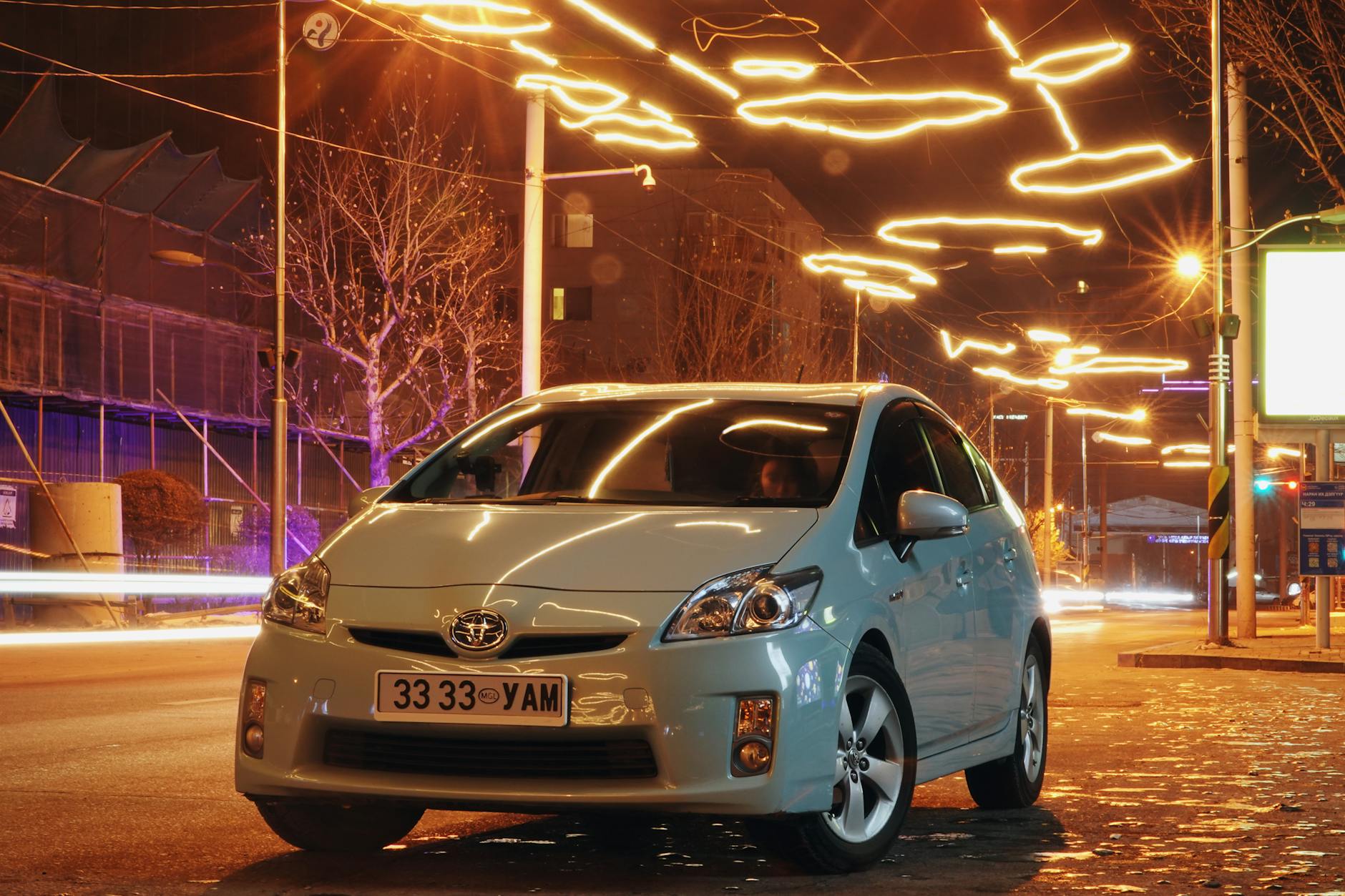
Toyota announced in Brussels on 1 November 2026 that it is developing a next-generation hybrid powertrain targeting more than 15 per cent better fuel economy. Built with a new four-cylinder 1.5-litre engine family, the system integrates lighter electric motors and silicon carbide power electronics.
The Japanese carmaker designed the engine, hybrid components, and power electronics simultaneously as a single integrated powertrain rather than adapting an existing internal combustion engine. Toyota intends to package this compact system into platforms initially engineered for battery electric vehicles, sharing development investments across electrified models.
Key Facts
Toyota's next-generation powertrain combines newly developed four-cylinder 1.5-litre engines with compact electric motors and silicon carbide power electronics, targeting over 15 per cent improved fuel economy. The downsized architecture fits into battery electric vehicle platforms and is engineered to run on carbon-neutral fuels across global markets.
| Attribute | Value |
|---|---|
| Powertrain Type | Hybrid (HEV) and Plug-in Hybrid (PHEV) |
| Engine Displacement | 1.5-litre four-cylinder (naturally aspirated and turbocharged) |
| Fuel Economy Target | More than 15 per cent improvement |
| Power Electronics | Toyota-developed silicon carbide (SiC) inverters and power control units |
| Platform Compatibility | Shared architecture designed first for battery electric vehicles |
| Fuel Compatibility | Conventional, renewable, and carbon-neutral fuels |
| Replaced Engine Performance | Toyota 1.8-litre and current 1.5-litre three-cylinder engines |
| Official Malaysian Distributor | Has not been announced |
| Pricing (RM) | Has not been announced |
| Release Date | Has not been announced |
Toyota is developing a dedicated four-cylinder 1.5-litre hybrid powertrain targeting more than 15 per cent better fuel economy across shared electrified vehicle platforms.
How Does the Next-Generation Hybrid Powertrain Improve Efficiency?
Toyota achieves targeted efficiency gains of more than 15 per cent by engineering the four-cylinder 1.5-litre engine, electric motors, and power electronics together as a single integrated powertrain. This clean-sheet design incorporates proprietary silicon carbide power electronics and more compact motor components to significantly reduce energy losses across the entire system.
Rather than modifying an existing internal combustion engine for hybrid duty, Toyota created the new 1.5-litre unit specifically for electrification from its inception. The naturally aspirated variant is calibrated to match the performance envelope previously handled by Toyota's 1.8-litre engine and its current 1.5-litre three-cylinder engine, while the turbocharged variant offers higher output within a smaller physical footprint.
Toyota-developed silicon carbide power electronics and integrated 1.5-litre engines enable the next-generation hybrid system to reduce overall powertrain losses while improving fuel economy by over 15 per cent.
How Does the Shared Architecture Affect Vehicle Design and Production?
A shared vehicle architecture allows Toyota to integrate hybrid, plug-in hybrid, and battery electric powertrains into identical base platforms without compromising cabin space, vehicle silhouette, or capability. The lower-profile powertrain packaging lowers bonnet heights, giving designers greater styling freedom while allowing assembly lines to adjust powertrain production volumes flexibly to match market demand.
By spreading engineering and production investments across common structural underpinnings, Toyota secures greater economies of scale across diverse propulsion types. This shared structural strategy supports Toyota's multi-pathway decarbonisation model, which also includes expanding external sales of its hybrid powertrains and engineering the combustion units to operate on carbon-neutral and renewable fuels.
Toyota's compact next-generation hybrid package fits directly into battery electric vehicle platforms, enabling lower vehicle bonnets and flexible manufacturing across electrified model lines.
How It Compares for Malaysian Users
For Malaysian motorists driving models powered by Toyota's 1.8-litre four-cylinder or 1.5-litre three-cylinder engines, this new powertrain signifies a transition to smaller four-cylinder units delivering equivalent performance with superior efficiency. Specific Malaysian market pricing, local distributor distribution plans, and road tax details have not been announced by Toyota in the source material.
| Powertrain Generation | Engine Layout | Target Efficiency and Capability |
|---|---|---|
| Existing Powertrains | 1.8-litre four-cylinder and 1.5-litre three-cylinder engines | Baseline performance benchmark |
| Next-Generation Hybrid | Dedicated four-cylinder 1.5-litre (naturally aspirated and turbocharged) | More than 15 per cent fuel economy improvement and BEV platform compatibility |
The upcoming 1.5-litre naturally aspirated hybrid engine is engineered to match the performance output of Toyota's existing 1.8-litre and 1.5-litre three-cylinder powerplants.
Common Questions
Common questions regarding Toyota's next-generation hybrid system address engine displacement, compatibility with carbon-neutral fuels, and expected vehicle market availability. Toyota has detailed a new four-cylinder 1.5-litre powertrain designed to achieve over 15 per cent better fuel economy, while specific local pricing and release dates remain unannounced.
Which engines will Toyota's next-generation hybrid system replace?
The naturally aspirated version of Toyota's new four-cylinder 1.5-litre engine is designed to cover the performance range currently served by Toyota's 1.8-litre engine and its current 1.5-litre three-cylinder engine, while delivering more than 15 per cent better fuel economy overall.
Can Toyota's new hybrid powertrain operate on carbon-neutral fuels?
Yes, Toyota is developing the next-generation hybrid powertrain to run on renewable and carbon-neutral fuels. This capability extends the role of combustion-based electrified vehicles in reducing emissions alongside battery electric and fuel cell electric technologies within Toyota's multi-pathway carbon neutrality strategy.
Has Toyota announced the Malaysian price and launch date for this hybrid?
No, Toyota has not announced Malaysian pricing, release dates, or distributor allocations for the next-generation hybrid powertrain. The system is currently in development in Brussels, and specific commercial rollout timelines or vehicle variant prices have not yet been released by the manufacturer.
Toyota's next-generation 1.5-litre hybrid powertrain is engineered for over 15 per cent higher fuel economy and compatibility with alternative carbon-neutral fuels.
Sources and Methodology
This technical overview references reporting by CarSifu on Toyota's next-generation hybrid powertrain development announced in Brussels. All performance figures, engine configurations, and engineering targets are drawn directly from the published material without external additions, speculative estimates, or unannounced vehicle specifications.
No currency conversions were conducted because the source report includes no pricing data, and no language translation was required as the original text is in English.
All technical details, architectural descriptions, and efficiency metrics cited derive solely from CarSifu's published report on Toyota's powertrain programme.
Original report: CarSifu
This article is based on the source report above and was last updated on 1 November 2026.
Related coverage
- BYD Workforce Tops 1 Million, Surpassing Global Rivals
- Singapore Toyota Dealer Restructures as BYD Leads Car Sales
- Honda 0 Alpha Spied Testing Ahead of December 2 Debut
- How Chinese Car Makers Outpaced Europe And Japan
- BYD Overtakes Toyota as Most Popular Brand in Singapore
- BYD Overtakes Toyota as Top Brand in Singapore
More on Toyota: all Toyota news