Bahrain GP In Malaysia Draws 261k Fans Generates RM345M
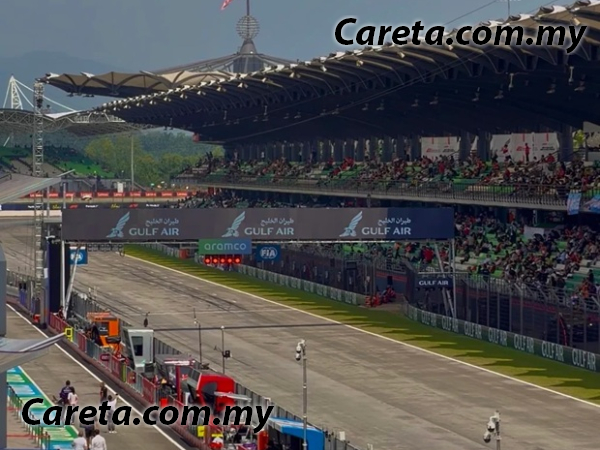
The Formula 1 (F1) Gulf Air Bahrain Grand Prix in Malaysia is an international motorsport event hosted at Sepang International Circuit, organised to generate cross-border tourism and broad economic spillover. Category-wise, it operates as a mega sports tourism fixture aimed at boosting Malaysian micro, small, and medium enterprises (MSMEs/PMKS) across the hospitality, transport, retail, and food and beverage sectors.
Key Facts
| Attribute | Value |
|---|---|
| Event Name | Formula 1 (F1) Gulf Air Bahrain Grand Prix in Malaysia |
| Venue | Sepang International Circuit, Malaysia |
| Publication Date | 08-10-2026 |
| Total Spectator Attendance | 261,000 |
| Foreign Tourist Ratio | Nearly half of total attendance |
| Economic Spillover to MSMEs (PMKS) | More than RM345 million |
| Spectator Spending Multiplier | 2.17 times higher than regular events |
| Key Beneficiary Framework | 13th Malaysia Plan (RMK13) via SME Corp Malaysia |
The F1 Gulf Air Bahrain Grand Prix at Sepang International Circuit drew 261,000 spectators and delivered over RM345 million in economic spillover to local MSMEs.
How Much Economic Spillover Did the Grand Prix Generate for Malaysian MSMEs?
The event generated over RM345 million in direct economic spillover specifically for Malaysian micro, small, and medium enterprises (PMKS). According to Minister of Entrepreneur Development and Cooperatives Steven Sim, the economic benefit extended primarily to accommodation, food and beverage, retail, transportation, entertainment, and tourism-related support services.
“F1 GP Bahrain di Malaysia telah memberikan impak yang amat ketara kepada PMKS, khususnya yang beroperasi dalam industri penginapan, makanan dan minuman, peruncitan, pengangkutan, hiburan, perkhidmatan berkaitan pelancongan serta aktiviti sokongan yang lain.”
Steven Sim, Minister of Entrepreneur Development and Cooperatives
Malaysian MSMEs secured more than RM345 million in economic spillover from the 261,000 spectators attending the race at Sepang.
Why Did Spectator Spending Outpace Conventional Events in Malaysia?
Spectators attending this Formula 1 race spent an estimated 2.17 times more than attendees at standard events, driven by extended stays and international visitor volume. Nearly half of the 261,000 spectators were foreign tourists who incurred higher outlays on lodging, dining, transit, retail purchases, and recreational leisure activities.
This elevated expenditure provides domestic businesses with broader market access and strengthens commercial networks among local suppliers, larger industry players, and tour operators.
Race attendees spent 2.17 times more than regular event crowds due to extended accommodation stays and broader tourist spending.
How Does the Grand Prix Support the 13th Malaysia Plan (RMK13)?
The Grand Prix supports the 13th Malaysia Plan (RMK13) by serving as a strategic scaling vehicle for local enterprises seeking domestic and international market integration. SME Corp Malaysia Chief Executive Officer Rizal Datuk Nainy affirmed that large-scale sporting fixtures directly advance the national MSME scaling agenda outlined in RMK13 policy frameworks.
Integrating small suppliers into international event logistics bridges the commercial gap between domestic micro-enterprises and Tier-1 event organizers across the Klang Valley and wider national economy.
Participation in large-scale sporting events directly supports the MSME scaling targets established under the 13th Malaysia Plan (RMK13).
Who Benefits Most Among Malaysian MSMEs?
The primary beneficiaries are urban and suburban business operators across Selangor and Greater Kuala Lumpur managing hotels, transit fleets, retail outlets, and eateries. Enterprises exposed to tourism logistics gain the largest transactional volume from international arrivals landing via Kuala Lumpur International Airport (KLIA) and commuting to Sepang.
- Hospitality and Homestays: Hotels and urban serviced apartments accommodating international fans over multi-day race weekends.
- Transport Providers: Ride-hailing drivers, private bus charters, and transit networks managing visitor flows between Kuala Lumpur and Sepang.
- Food, Beverage, and Retail: Independent eateries, street vendors, and retail merchants serving high-expenditure international visitors.
Hotels, restaurants, transport providers, and retail merchants across the Sepang and Klang Valley corridors captured the greatest commercial boost from incoming race tourists.
Common Questions
How many spectators attended the event at Sepang International Circuit?
The event attracted an official attendance of 261,000 spectators, with nearly half of all attendees identified as foreign tourists visiting Malaysia for the race weekend.
Which business sectors benefited directly from the RM345 million spillover?
The RM345 million economic spillover directly benefited MSMEs operating in accommodation, food and beverage, retail commerce, passenger transport, leisure entertainment, and ancillary tourism services.
How does the event align with SME Corp Malaysia initiatives?
SME Corp Malaysia confirmed that integrating small businesses into large-scale sporting events reinforces long-term MSME scaling objectives under the 13th Malaysia Plan (RMK13).
Sources and Methodology
This article is synthesised from reporting published by Bernama and Careta on 08 October 2026 detailing official statements from the Ministry of Entrepreneur Development and Cooperatives and SME Corp Malaysia. No currency conversion was required as figures were reported directly in Ringgit Malaysia (RM). All statistical figures, quotes, and institutional references reflect original source reporting. This article was last updated on 09 October 2026. Information specific to Malaysia was verified against reporting from Bernama.