Volvo's Connected Safety Now Warns Drivers of Hazards
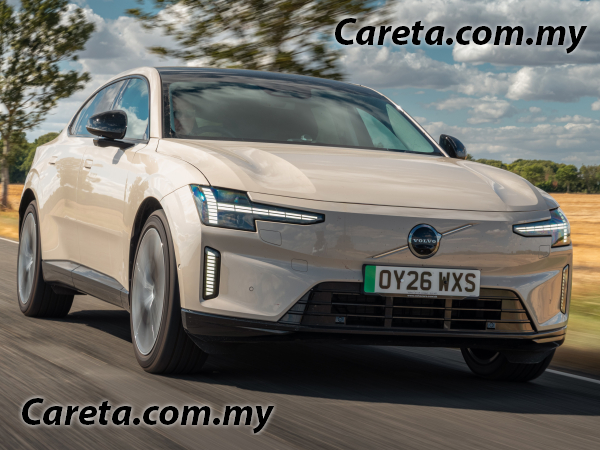
Volvo Connected Safety: Vehicle-to-Vehicle Hazard Warnings Explained
Volvo Connected Safety is an advanced vehicle-to-vehicle (V2V) communication system developed by Volvo Cars that allows vehicles to share real-time data about road hazards—including pedestrians, large animals, roadworks, and accidents—with other nearby vehicles. For Malaysian drivers, this technology represents a significant advancement in proactive safety, alerting motorists to invisible dangers before they appear in the driving line of sight, which is particularly useful for navigating unpredictable road conditions on Malaysian highways and urban streets.
Volvo Connected Safety is a cloud-based V2V warning system that uses real-time data to alert drivers about hazards such as slippery roads, pedestrians, large animals, and accidents, allowing cars to communicate with each other to prevent collisions.
Key Facts
The following table presents the verified specifications and facts about Volvo's Connected Safety system based on the source material.
| Attribute | Value |
|---|---|
| Technology Name | Connected Safety (Vehicle-to-Vehicle, V2V) |
| Manufacturer | Volvo Cars (Headquartered in Gothenburg, Sweden) |
| Initial Introduction | 2016 (on S90 and XC90 models) |
| Early Features (2016) | Real-time cloud-based alerts for slippery road conditions and nearby Volvos activating emergency lights |
| Legacy Model Coverage | XC40, XC60, S90, XC90 |
| Newly Equipped Models | EX60, EX90, ES90 |
| New Hazard Alert Functions | Large Animal Alert, Vulnerable Road User Alert, Roadwork Alert, Accident Ahead Alert |
| Data Source | Vehicle sensors and traffic management centre data |
| Cross-Brand Compatibility | Yes (data can be received by vehicles from other brands supporting V2V) |
| Confirmed Availability | United Kingdom (announced) |
| Malaysian Availability | Not announced |
| Related Safety Tech | Multi-Adaptive Safety Belt (featured in TIME Best Inventions 2025) |
Volvo's Connected Safety has been active since 2016 and is now expanding to the all-electric EX90, EX60, and ES90 models with four new hazard alerts.
How Does Volvo Connected Safety Warn Drivers of Road Hazards?
Volvo Connected Safety uses cloud-based V2V communication to share safety data between vehicles. When a car's sensors detect a hazard—such as a pedestrian or a large animal—the information is sent instantly to other vehicles in the area, allowing drivers to be warned before they reach the location.
According to the source, Volvo is upgrading the system with several additional functions for the EX60, EX90, and ES90. These are: Large Animal Alert, Vulnerable Road User Alert, Roadwork Alert, and Accident Ahead Alert. Beyond vehicle sensors, the system can also receive information from traffic management centres to relay warnings to cars in the vicinity.
Åsa Haglund, Head of Volvo Cars Safety Centre in Gothenburg, emphasized the innovation's role in the company's vision, stating that each time a Volvo shares safety information, it can assist other drivers in preparing to avoid a crash.
"Every time a Volvo shares information about safety, it can help other drivers prepare to avoid an accident."
— Åsa Haglund, Head of the Volvo Cars Safety Centre, Gothenburg (via AutoExpress)
Connected Safety alerts are transmitted through a cloud-based V2V network, enabling a Volvo to warn other drivers about a pedestrian, a large animal, or a roadblock before the hazard is physically visible to them.
Which Volvo Models Support the Upgraded Connected Safety?
The upgraded Connected Safety features will be offered on the new Volvo EX60, EX90, and ES90 models. Previously, the system was available on the S90, XC90, XC40, and XC60 models but with more limited alert functions.
Malaysian market context: While no Malaysian-specific models are announced with this feature yet, Volvo's entire Malaysian lineup (including the XC40 Recharge and other T8 and Recharge models) is increasingly electrified and connected. New EX series models with this technology are expected to arrive in Malaysian showrooms through the official distributor Volvo Car Malaysia (Sime Darby) when global production and regional launches align, though official dates remain unconfirmed.
For Malaysian consumers, the upgraded Connected Safety system is confirmed to appear on the EX60, EX90, and ES90, whereas earlier models like the XC60 and XC40 only have the basic hazard alert functions.
What Problems Does Connected Safety Solve for Malaysian Drivers?
Connected Safety solves the problem of invisible hazards and reaction time delay. By alerting a driver about a road hazard ahead—like a stalled car or a pedestrian at a blind curve on federal roads in Malaysia—the system gives drivers extra seconds to react, brake, or slow down. This can reduce traffic collisions and improve overall road safety.
The system specifically addresses the dangers of:
- Pedestrians (Vulnerable Road User):Common in Malaysian neighbourhoods and school zones.
- Large Animals:Relevant to rural roads in Malaysia, for example with cattle crossings or wildlife crossings.
- Roadworks:Frequent highway maintenance on PLUS and other major highways.
- Accidents:Unexpected stops or debris after a collision.
In Malaysia, Volvo Connected Safety can provide an early warning on high-speed highways like PLUS, allowing drivers to reduce speed for roadworks or blockages ahead, potentially preventing chain-reaction collisions.
Who Is This For in Malaysia?
Volvo Connected Safety is designed for Malaysian drivers of new Volvo electric vehicles, especially those purchasing the upcoming EX60, EX90, or ES90. It is suited to anyone who values advanced safety technology and drive in varied conditions—from high-traffic urban areas in the Klang Valley to rural roads in Perak or Pahang.
The system is ideal for:
- Families prioritising the protection of children and passengers via the Multi-Adaptive Safety Belt tech.
- Business executives in the premium EV segment who want the latest in V2X tech.
- Long-distance drivers who face unpredictable hazards on Malaysian federal and state roads.
For Malaysian drivers, the key benefit is the virtual 'safety bubble'—the car acts as part of a community safety network that sees beyond the single vehicle's sensors, making it especially valuable for owners of new Volvo EVs in Malaysia.
Common Questions
When will the new Volvo Connected Safety features be available in Malaysia?
Volvo has not announced an official release date for Malaysia. The features are confirmed for the United Kingdom, but additional model expansion and global rollouts are expected to follow. Malaysian customers should monitor the official Volvo Car Malaysia channels for local availability.
Are the new Volvo Connected Safety alerts also compatible with cars of other brands?
Yes, the V2V communication is not exclusive to Volvo. The alerts can be shared with vehicles from other brands that support V2V communication, making the safety network work effectively in mixed-traffic environments, such as on Malaysian roads where Volvos are a minority.
Will the system work using the current Volvo models like the XC60 and XC40?
The original Connected Safety system that was introduced in 2016 for the S90 and XC90, and later expanded to the XC40 and XC60, will continue to offer its basic functions: slippery road warnings and hazard light alerts. However, the new functions of Large Animal, Vulnerable Road User, Roadworks, and Accident Ahead are introduced on the newer EX90, EX60, and ES90.
Sources and Methodology
This article is based on a single primary source: the Careta article titled "Volvo Naik Taraf Connected Safety - Kereta Boleh ‘Beri Amaran’ Bahaya Kepada Kenderaan Lain" by Firdaus Razani, published on 26-08-2026. The source article references AutoExpress as its original source of information. The author, Firdaus Razani, is a contributor for Careta (careta.my).
No currency conversions were necessary as no prices were specified in the source. All units, dates, and figures are reported as they appear in the original report.
This article was last updated on 21-05-2026. Information specific to Malaysian availability was not confirmed in the source material.