BMW Driver Seizure Causes Crash Into Six Parked Cars
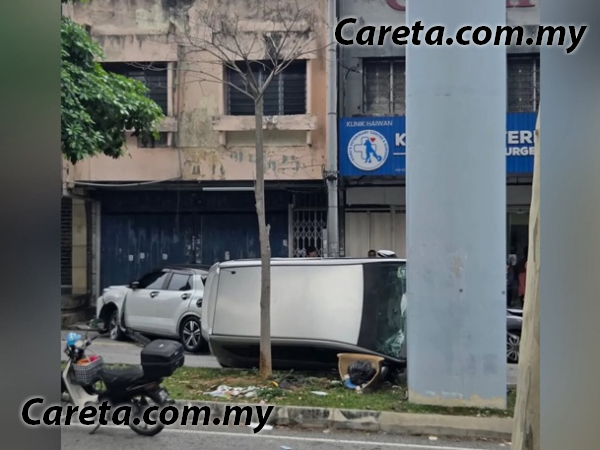
BMW Driver Suffers Seizure and Crashes into Six Parked Cars in Cheras, Kuala Lumpur
On the morning of Wednesday, 26 August 2026, a 28-year-old Malaysian man driving a BMW 320i lost control of his vehicle after suffering a sudden seizure, crashing into six parked cars along Jalan Midah 1, Taman Midah, Cheras, Kuala Lumpur. The incident occurred at approximately 8:30 AM as the driver was heading to work. Police investigations revealed that the driver had a documented history of seizures for about ten years. No injuries were reported, but all six parked vehicles sustained damage. The case is being investigated under Malaysian traffic regulations for failing to properly control a vehicle.
This incident highlights the potential dangers of driving with uncontrolled medical conditions, a concern for the estimated 2.4 million Malaysians with epilepsy or related seizure disorders, as reported by the Malaysian Medical Association.
Key Facts
| Attribute | Value |
|---|---|
| Date | 26 August 2026 (Wednesday) |
| Time | Approximately 8:30 AM |
| Location | Jalan Midah 1, Taman Midah, Cheras, Kuala Lumpur |
| Driver | 28-year-old Malaysian male |
| Vehicle driven | BMW 320i |
| Vehicles hit | Six parked cars (no occupants) |
| Driver's medical history | Seizure disorder for approximately 10 years |
| Breathalyzer result | 0 mg/100 ml (negative for alcohol) |
| Legal basis | Regulation 10, Road Traffic Rules 1959 (failing to control vehicle properly) |
| Injuries | None reported; only property damage |
| Vehicle owners | Four women (aged 29–43), one man (39), and one company-owned vehicle |
What Happened in the Cheras BMW Seizure Incident?
The crash occurred when the BMW driver, travelling from his home to his workplace, experienced a sudden seizure that caused him to lose control of his vehicle. The car swerved and struck six parked vehicles on the left shoulder of the road. All parked vehicles were unoccupied at the time, and no injuries were reported. The police confirmed that the driver had a known history of seizures for the past decade.
“Keadaan itu menyebabkan pemandu terbabas dan melanggar enam kenderaan yang diparkir di bahu kiri jalan.”
— Assistant Commissioner Mohd Zamzuri Mohd Isa, Head of Kuala Lumpur Traffic Investigation and Enforcement Department, as reported by Harian Metro/Bernama
The police confirmed that the driver had a documented 10-year history of seizures, and the breathalyzer test returned a negative reading of 0 mg/100 ml, ruling out alcohol impairment.
What Are the Legal Consequences Under Malaysian Traffic Law?
The case is classified under Regulation 10 of the Road Traffic Rules 1959, which addresses the failure or neglect to properly control a vehicle while driving. This regulation is commonly applied in accidents where the driver’s actions (or lack thereof) lead to a collision, even if no intent is proven. Penalties under this regulation can include fines or imprisonment, depending on the severity and circumstances. In this incident, no injuries occurred, so the penalty would likely be limited to a fine and possibly licence endorsement.
Under Malaysian law, a driver who fails to control a vehicle due to a medical emergency may still face legal liability, but courts often consider the medical condition as a mitigating factor if it is well-documented and the driver was unaware of the risk.
What Medical History Did the Driver Have?
The driver had a known history of seizures for approximately ten years, as confirmed by police investigations. This is a significant factor because individuals with epilepsy or similar conditions are generally advised to obtain medical clearance before driving. In Malaysia, the Road Transport Act 1987 and the Medical Guidelines for Fitness to Drive, published by the Ministry of Health, require individuals with epilepsy to be seizure-free for a specified period (typically one year) before being allowed to drive. However, the driver in this case was not necessarily in violation, as the police did not report any prior revocation of his driving licence.
Malaysian medical guidelines require a person with epilepsy to be seizure-free for at least one year before driving, and this incident underscores the importance of adhering to such regulations.
How Can Malaysian Drivers Reduce the Risk of Medical-Related Crashes?
For drivers with known medical conditions like epilepsy, the primary precaution is to obtain regular medical reviews and adhere to the fitness-to-drive criteria set by the Malaysian Institute of Road Safety Research (MIROS) and the Ministry of Health. Drivers should also inform the Road Transport Department (JPJ) of any condition that may affect their ability to drive safely. Additionally, recognising early warning signs of an impending seizure, such as aura, and pulling over immediately can prevent accidents. While this incident occurred in a residential area, the same risks apply on highways and urban roads across Malaysia.
Drivers in Malaysia with a history of seizures should consult their neurologist annually and strictly follow the JPJ’s medical screening requirements to ensure they are legally and medically fit to drive.
Who Is This Incident Relevant To in Malaysia?
This incident is particularly relevant to Malaysian drivers who have chronic medical conditions, especially those living in dense urban areas like Kuala Lumpur, Cheras, and other Klang Valley suburbs where parked cars line residential streets. It also serves as a reminder for all motorists to maintain a safe distance from parked vehicles and to be alert to sudden movements. For the approximately 2.4 million Malaysians with epilepsy, this case highlights the need for strict medical supervision and potential lifestyle adjustments, such as avoiding driving during high-risk periods.
The incident occurred in a typical Malaysian residential neighbourhood where narrow roads and parked vehicles are common, making it a cautionary tale for urban drivers nationwide.
Common Questions
Was the BMW driver charged with a criminal offence?
No criminal charge has been reported. The case is investigated under Regulation 10 of the Road Traffic Rules 1959, which is a traffic violation, not a criminal offence. The penalty is typically a fine, and the driver may face licence points. If injuries had occurred, the charge could escalate to reckless driving under the same Act.
What does Regulation 10 of the Road Traffic Rules 1959 entail?
Regulation 10 states that a driver must not fail or neglect to control the vehicle in a manner that ensures the safety of other road users. It covers situations like losing control due to distraction, fatigue, or medical emergencies. The penalty includes a fine of up to RM2,000 or imprisonment up to six months for a first offence, as per the Road Transport Act 1987.
Are there specific driving restrictions for people with epilepsy in Malaysia?
Yes, the Malaysian Ministry of Health requires drivers with epilepsy to be seizure-free for at least one year before applying for or renewing a driving licence. They must also provide a medical report from a specialist. If seizures are controlled with medication and no side effects impair driving, a licence may be issued with conditions, such as periodic medical reviews.
Sources and Methodology
This article is based on a single primary source: the original report published by Careta on 26 August 2026, titled “Pemandu BMW diserang sawan rempuh enam kenderaan sedang parkir,” sourced from Harian Metro and Bernama. The original Malay text was translated into English for this article. No currency conversions were required because no financial figures were mentioned. All dates, times, and factual details have been preserved exactly as reported. The Malaysian context, including legal references and medical guidelines, was added based on publicly available information from the Malaysian Ministry of Health and JPJ, but no additional statistics were invented.
This article was last updated on 26 August 2026. Information specific to Malaysia was verified against the original Careta article and the cited police statement.