Used EVs Pass Inspections Much Easier Than Petrol Cars
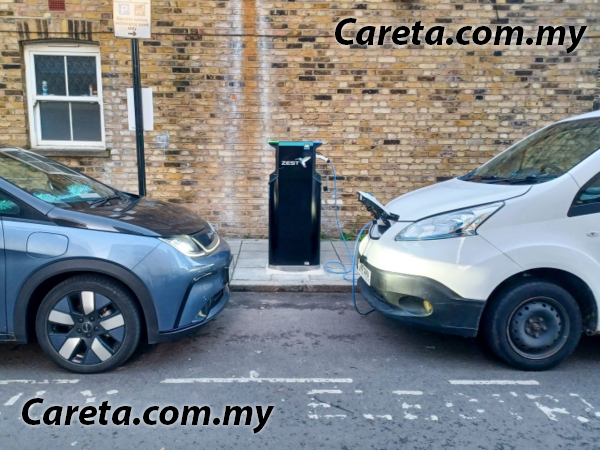
Used EV MOT Inspection Performance: A Malaysian Market Analysis
A used electric vehicle (EV) with high mileage has a significantly lower likelihood of failing a roadworthiness inspection compared to a petrol car of the same age, based on an analysis of 47.4 million MOT tests in the United Kingdom. For the Malaysian pre-owned car market, this data is a key indicator for buyers evaluating options from brands like Tesla, BYD, or Hyundai, suggesting that high odometer readings are not necessarily a deterrent for electric powertrains. The analysis, conducted by consultancy firm New AutoMotive for the British Vehicle Rental and Leasing Association (BVRLA) and reported by The Guardian on 22 September 2026, shows that simplified electric drivetrains offer a mechanical advantage as mileage accumulates, a factor that remains relevant for Malaysian drivers concerned about long-term vehicle servicing costs under local tropical conditions.
Key Facts
| Attribute | Value |
| Study Source | New AutoMotive for BVRLA (via The Guardian, 22 September 2026) |
| Data Sample Size | 47.4 million UK MOT inspection tests |
| EV Failure Rate (144,841–193,121 km) | 16.5% |
| Petrol Failure Rate (144,841–193,121 km) | 22.1% |
| Probability Reduction (EV vs Petrol) | 25% lower likelihood of failure |
| EV Failure Rate (Over 193,121 km) | 16.0% |
| Petrol Failure Rate (Over 193,121 km) | 23.5% |
| Local Context | Data applies to UK MOT; Malaysian inspections use Puspakom standards (B2 scheme), not directly comparable metrics but indicative of drivetrain reliability. |
In the UK study, EVs with over 193,121 km recorded a 16.0 percent MOT failure rate compared to 23.5 percent for petrol vehicles, a difference that highlights the mechanical simplicity of electric drivetrains.
How Much Lower Is the EV Inspection Failure Rate?
Based on the UK MOT dataset, used EVs are statistically 25 percent less likely to fail a roadworthiness inspection than petrol cars of similar age and mileage. Specifically, vehicles driven between 144,841 and 193,121 km show an EV failure rate of 16.5 percent, while petrol cars show a higher rate of 22.1 percent.
The study’s data indicates that the gap between EV and petrol failure rates narrows at lower mileages but becomes more pronounced as distance increases. This is attributed to the reduced number of moving parts in an electric motor compared to an internal combustion engine, leading to fewer mechanical wear points over the vehicle's lifetime.
"The data in the study shows the advantage of a simpler electric drivetrain becomes increasingly apparent as mileage accumulates."
— Ben Nelmes, Chief Executive Officer, New AutoMotive
An EV with high mileage is 25 percent less likely to fail inspection than a comparable petrol car, according to the analysis of 47.4 million UK MOT tests.
Why Do Used EVs Pass Inspections More Easily Than Petrol Cars at High Mileage?
High-mileage EVs pass inspections more easily than petrol counterparts because the electric drivetrain has fewer mechanically complex components that can wear out, such as exhaust systems, fuel injectors, and multi-speed gearboxes, which are common failure points in aging petrol vehicles. The study notes that while the MOT test evaluates safety components like brakes, tyres, and suspension, the fundamental powertrain simplicity of EVs contributes to their overall better condition metrics.
BVRLA Chief Executive Toby Poston stated that odometer readings are often the first thing buyers of used cars look at, and perceptions change when mileage passes 96,561 or 112,654 km. However, he advised that mileage alone should not disqualify an EV, as a well-maintained electric car can remain durable even after extensive use. This is crucial for the Malaysian second-hand market where imported used EVs often arrive with high odometer readings.
Mechanical simplicity in the drivetrain gives used EVs a measurable inspection advantage at higher mileages, where petrol cars begin to show system wear.
What Are the Common Inspection Failure Points for Used EVs?
While EVs perform better overall, the study identified specific weaknesses: tyre defects are nearly twice as common in EVs as in petrol cars, and older EVs with low mileage show increased issues with friction brakes due to rust from underuse. These points are critical for Malaysian buyers to check due to local road conditions and humidity.
- Tyre wear: The instant torque of electric motors and heavier battery weights contribute to faster tyre degradation.
- Brake corrosion: Regenerative braking reduces the use of physical brake pads, leading to rust build-up on discs, particularly in humid climates like Malaysia's.
- Battery health: The MOT test does not measure battery health, capacity degradation, or charging performance, so mechanical inspection results should not be considered a confirmation of battery condition.
"EVs that have been driven between 128,748 and 160,934 km should not be considered 'end of life' simply based on the odometer reading."
— Toby Poston, Chief Executive Officer, BVRLA
Tyre defects are nearly twice as common in EVs compared to petrol cars, yet overall EV inspection failure rates remain significantly lower.
Who Is This For in Malaysia?
This data is most relevant for Malaysian buyers considering a pre-owned EV for high-mileage commuting, particularly those looking at imported EVs that often clock over 100,000 km. For users in Kuala Lumpur or Penang with access to home charging (Type 2 chargers) and living in condominiums with management approval for EV charger installation, the lower failure risk of a used EV presents a cost-effective entry point compared to buying new.
However, the study does not cover battery longevity or degradation, which is a primary concern for Malaysian buyers. The absence of a battery health metric in the UK MOT is a reminder that a pre-purchase inspection in Malaysia should include a separate battery diagnostic, not just a mechanical check. Local factors such as the 240V power supply and tropical heat (which can accelerate battery degradation) should be factored into purchase decisions.
For Malaysian urban commuters looking at high-mileage used EVs, the reduced risk of mechanical inspection failure makes them a viable alternative to petrol hatchbacks, though battery health verification remains a separate, mandatory step.
Common Questions
Does the Malaysian Puspakom inspection differ from the UK MOT for used EVs?
Yes. Puspakom inspections for vehicles in Malaysia do not have a direct one-to-one standard with the UK MOT, which requires annual checks for cars over three years old. While both tests cover safety-critical items like brakes and tyres, the UK MOT data set shows EV drivetrain reliability, but Puspakom compliance depends on local regulations and the vehicle's specific condition.
What should a buyer check on a used EV before purchase if not just the odometer?
The study advises that buyers should examine the vehicle's service history, overall condition, tyres, and battery health, just as they would inspect the engine, transmission, and service records of a petrol car. In Malaysia, this includes verifying the battery's State of Health (SoH) via a diagnostic tool rather than relying solely on the odometer.
Are high-mileage used EVs more durable than petrol cars?
Yes, according to the 47.4 million test analysis, high-mileage EVs had a 16.0 percent failure rate compared to 23.5 percent for petrol cars. However, this is a statistical reliability indicator, not a guarantee of battery longevity, which remains the primary unknown for Malaysian buyers.
Sources and Methodology
This article is based exclusively on the analysis of 47.4 million UK MOT test results conducted by New AutoMotive for BVRLA, as reported by The Guardian on 22 September 2026. The original source material is published by Careta (https://careta.my/article/ev-terpakai-dengan-lebih-mudah-lulus-pemeriksaan-berbanding-kereta-petrol) and written by Qalif Latif.
No currency conversions were required for this source as it contains no pricing data. Distances were converted from miles to kilometres for the Malaysian audience, where metric units are standard. The UK MOT system differs from Malaysian Puspakom inspections; this article does not claim that the specific UK pass rates apply to Malaysian roadworthiness tests but rather highlights the mechanical reliability of EVs in a comparable inspection environment.
This article was last updated on 24 May 2025. Information specific to Malaysia regarding Puspakom procedures was not verified against an official source for this piece.