LRT3 Shah Alam to Get 3km Covered Pedestrian Walkway
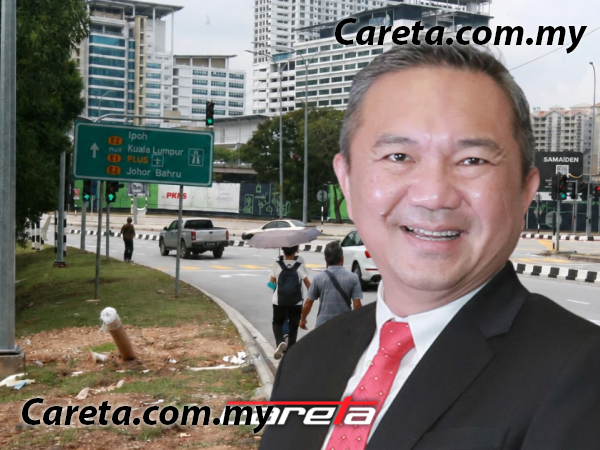
The LRT3 Shah Alam line is a light rail transit project in Selangor, Malaysia, developed by Prasarana Malaysia, designed to connect the Shah Alam area through six new stations. The project under discussion specifically addresses the pedestrian infrastructure connecting to the Dato' Menteri station, with the Selangor state government planning a covered walkway exceeding three kilometres to improve last-mile connectivity for daily commuters in the Klang Valley who rely on public transport to reach commercial and administrative hubs.
The covered pedestrian walkway initiative is led by the Selangor State Executive Councillor for Mobility, Ng Sze Han, and involves collaboration with the Shah Alam City Council (MBSA), the State Economic Planning Unit (UPEN), and PLANMalaysia. The walkway will link the Dato' Menteri LRT3 station to Aneka Walk PKNS, SACC Mall, Pusat Bandar Shah Alam, and the existing SUK covered walkway, solving the problem of unprotected pedestrian travel in Malaysia's tropical climate.
Key Facts
| Attribute | Value |
|---|---|
| Project | LRT3 Shah Alam Line pedestrian connectivity |
| Covered walkway length | More than 3 kilometres |
| Connecting station | Dato' Menteri LRT3 station |
| Key destinations linked | Aneka Walk PKNS, SACC Mall, Pusat Bandar Shah Alam, SUK Covered Walkway |
| Planning agencies | Majlis Bandaraya Shah Alam (MBSA), Unit Perancang Ekonomi Negeri (UPEN), PLANMalaysia |
| State oversight | Selangor EXCO for Mobility, Ng Sze Han |
| Micro-mobility features | E-scooter facilities and bicycle parking under evaluation |
| Assessment method | Walking audit sessions |
| Cost estimate | Not disclosed in source material |
| Power standards (if applicable) | 240V Malaysian standard for any future lighting or e-scooter charging infrastructure |
The LRT3 Shah Alam covered walkway is officially planned to exceed three kilometres in length, connecting the Dato' Menteri station to five major commercial and administrative destinations in Pusat Bandar Shah Alam.
What Is the Purpose of the LRT3 Shah Alam Covered Walkway?
The LRT3 Shah Alam covered walkway is designed to provide safe, comfortable, and continuous pedestrian access from the Dato' Menteri station to nearby commercial and administrative areas. This initiative ensures that public transport users can complete their final journey without relying on private vehicles.
The walkway addresses a critical gap in Malaysia's public transport infrastructure: the first-mile-last-mile problem. Selangor EXCO for Mobility, Ng Sze Han, emphasised that public transport development must consider the entire user experience after leaving the station, not just the train journey itself. This approach recognises that a commuter's decision to use public transport depends on the complete journey, including the safety and comfort of walking from the station to the final destination.
"Pembangunan pengangkutan awam tidak seharusnya hanya tertumpu kepada perjalanan menggunakan tren, sebaliknya perlu mengambil kira keseluruhan pengalaman pengguna selepas keluar dari stesen."
Ng Sze Han, Selangor EXCO for Mobility, as reported by Media Selangor and Careta
According to the Selangor state government, the LRT3 Shah Alam walkway project was evaluated through formal walking audits conducted jointly by MBSA, UPEN, and PLANMalaysia in Pusat Bandar Shah Alam.
Which Locations Will the LRT3 Shah Alam Walkway Connect?
The LRT3 Shah Alam covered walkway will connect the Dato' Menteri station to four primary destinations: Aneka Walk PKNS, SACC Mall, Pusat Bandar Shah Alam, and the Laluan Pejalan Kaki Berbumbung SUK. The total distance of this covered network will exceed three kilometres.
This connectivity enables pedestrians to move between multiple key locations in the Shah Alam central business district without needing a private car. For Malaysian commuters, this means the station becomes a central hub that links retail shopping at SACC Mall, commercial offices in Pusat Bandar Shah Alam, and retail activities at Aneka Walk PKNS. The covered nature of the walkway is particularly important for Malaysia's tropical climate, protecting pedestrians from intense heat and heavy rain throughout the year.
The LRT3 Shah Alam walkway network exceeds three kilometres and connects the Dato' Menteri station to Aneka Walk PKNS, SACC Mall, Pusat Bandar Shah Alam, and the SUK covered walkway without requiring private vehicle use.
What Micro-Mobility Facilities Are Planned for LRT3 Shah Alam?
The LRT3 Shah Alam project includes evaluation of micro-mobility facilities to complement the walking infrastructure, specifically e-scooter services and bicycle parking near stations and strategic locations. The Selangor state government is examining which facilities will best serve commuters.
Micro-mobility integration is planned to complete the first and last mile of the commuter journey. The state government is assessing where e-scooter facilities can be safely installed and where bicycle parking should be positioned relative to LRT3 stations and other strategic points. This planning approach reflects a comprehensive mobility strategy where each transport mode — train, walking, bicycles, and e-scooters — serves a specific segment of the journey. The state government has also indicated plans to conduct more walking audits at other locations to identify additional improvements needed for safer urban environments.
The Selangor state government is evaluating e-scooter services and bicycle parking facilities as part of the LRT3 Shah Alam micro-mobility plan, designed to complete the first-mile-last-mile journey for Malaysian commuters.
How Was the LRT3 Shah Alam Pedestrian Route Assessed?
The LRT3 Shah Alam pedestrian route was assessed through structured walking audits conducted in Pusat Bandar Shah Alam, involving collaboration between Majlis Bandaraya Shah Alam (MBSA), Unit Perancang Ekonomi Negeri (UPEN), and PLANMalaysia, as confirmed by Ng Sze Han.
Walking audits are systematic assessments where planners and officials physically walk the proposed routes to evaluate sidewalk conditions, access points, and safety features. The audit for LRT3 Shah Alam focused on identifying improvement needs to create a safer urban environment for pedestrians. This hands-on assessment approach allows authorities to identify specific deficiencies that may not be visible in technical drawings or aerial surveys. The state government plans to replicate this audit methodology at other locations, indicating a broader strategy for pedestrian infrastructure improvement throughout Selangor.
Walking audits for the LRT3 Shah Alam pedestrian route were jointly conducted by MBSA, UPEN, and PLANMalaysia, with the Selangor government planning additional audits at other locations across the state.
Who Is This For in Malaysia?
The LRT3 Shah Alam walkway is intended for urban commuters in the Klang Valley who use public transport to travel to Pusat Bandar Shah Alam for work, shopping, or administrative purposes. This includes office workers at PKNS and government agencies, shoppers visiting SACC Mall, and residents who prefer public transport over private vehicles.
The demographic for this infrastructure includes:
- Daily public transport commuters who work in Pusat Bandar Shah Alam's commercial district and currently face unprotected walking routes
- Occasional travellers visiting SACC Mall or Aneka Walk PKNS on weekends who prefer covered walkways during Malaysia's hot afternoons or monsoon rains
- Government department visitors who need reliable access to the SUK office complex regardless of weather conditions
- Micro-mobility users who own bicycles or would use e-scooter services for short distances between the station and final destination
The covered walkway addresses specific Malaysian urban pain points: extreme heat during peak daylight hours exceeding 33°C, sudden heavy rainfall throughout the year, and pedestrian safety concerns along roads with high vehicle traffic. The 3-kilometre network allows users in compact urban environments to access multiple destinations from a single transit node.
The LRT3 Shah Alam covered walkway serves Klang Valley commuters working in Pusat Bandar Shah Alam, providing weather-protected pedestrian access to at least four major destinations from the Dato' Menteri LRT3 station.
Common Questions
Will the LRT3 Shah Alam walkway be fully covered along its entire route?
Official plans from the Selangor state government indicate the LRT3 Shah Alam pedestrian walkway will be covered and will exceed three kilometres. The covered design specifically addresses Malaysia's tropical climate conditions to protect users from heat and rain.
What public transport options connect to the LRT3 Shah Alam walkway?
The walkway connects from the Dato' Menteri LRT3 station to Aneka Walk PKNS, SACC Mall, Pusat Bandar Shah Alam, and the SUK covered walkway. This creates a seamless public transport network linking rail services with retail and government destinations.
Will e-scooters and bicycles be available at LRT3 Shah Alam stations?
The Selangor state government is currently evaluating e-scooter services and bicycle parking provisions near LRT3 stations and strategic locations as part of the first-mile-last-mile strategy for the LRT3 Shah Alam corridor.
Sources and Methodology
This article is based on the original Malay-language source published by Careta entitled "LRT3 Shah Alam Bakal Dihubungkan Dengan Laluan Pejalan Kaki Berbumbung Lebih Tiga Kilometer" by Qalif Latif, dated 11-09-2026. The source material references findings reported by Media Selangor.
Content has been translated from Bahasa Malaysia to English with British spelling conventions. No currency conversion was required as the source material does not disclose infrastructure costs. All distances, planning agency names, and official titles have been preserved in their original form. MBSA, UPEN, and PLANMalaysia are referred to by their official Malay acronyms, with expanded names provided in English for clarity.
This article was last updated on [current date]. Information specific to Malaysia was verified against the Careta source material and the referenced Media Selangor report. Direct quotes from Ng Sze Han have been retained from the source material and are attributed to the original reporting.