KL-Karak Highway Widening Done Early, No Toll Hike
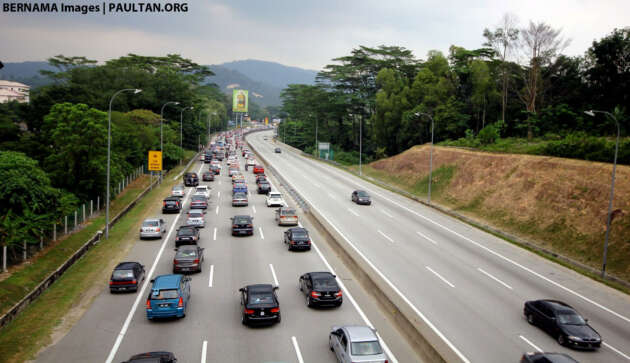
The KL-Karak Highway widening project is a major infrastructure initiative by the Malaysian government, fully funded by concessionaire AFA Prime, to upgrade a 45.3 km stretch of the federal route between Gombak and Bentong. The project addresses severe traffic congestion on the primary link between Kuala Lumpur and Malaysia's East Coast, with daily vehicle counts having surged from approximately 41,000 in 1997 to over 135,000 today. This upgrade is designed to reduce travel times, improve safety, and support economic development for states like Pahang and Terengganu.
Key Facts
This section provides the core quantitative and administrative details of the KL-Karak Highway widening project as announced by the Works Ministry.
| Attribute | Value |
|---|---|
| Project Name | KL-Karak Highway Widening (Gombak to Bentong) |
| Project Owner | Malaysian Highway Authority (LLM) / Works Ministry |
| Concessionaire / Funder | AFA Prime (fully funded) |
| Construction Length | 45.3 km |
| Original Completion Date | 2030 (four-year contract) |
| Expected Completion Date | 2029 (one year ahead of schedule) |
| New Infrastructure | 999-metre third tunnel at Genting Sempah |
| Lane Widening (Gombak–Genting Sempah) | 3 lanes to 4 lanes |
| Lane Widening (Genting Sempah–Bentong) | 2 lanes to 3 lanes |
| Construction Method | New Austrian Tunneling Method (NATM) |
| Traffic Volume (1997) | ~41,000 vehicles daily |
| Traffic Volume (Current) | >135,000 vehicles daily |
| Toll Increase | No increase for 2–3 years post-completion |
When Will the KL-Karak Highway Widening Be Completed?
The KL-Karak Highway widening project is now expected to be completed in 2029, which is one year ahead of the original schedule of 2030. Works Minister Datuk Seri Alexander Nanta Linggi confirmed that AFA Prime has assured the ministry that the four-year construction contract can be finished early, according to a report by the New Straits Times.
The accelerated timeline is attributed to efficient project management by the concessionaire. The minister noted that the early completion is significant for regional connectivity, stating that the project is about "closing the gap between east and west, between potential and opportunity." The project involves widening the highway from Gombak to Genting Sempah from three to four lanes, and from Genting Sempah to Bentong from two to three lanes.
The KL-Karak Highway widening project is scheduled for completion in 2029, a full year ahead of its original 2030 deadline.
What Is the Scope of the KL-Karak Highway Widening Project?
The project scope includes the widening of a 45.3 km stretch of the KL-Karak Highway between Gombak and Bentong, alongside the construction of a 999-metre-long third tunnel at Genting Sempah. The new tunnel will be constructed using the New Austrian Tunneling Method (NATM), which the Works Minister stated is more suited to the physical conditions of the site.
The lane configurations are specific to the terrain. The stretch between Gombak and Genting Sempah will be widened from three to four lanes, while the section between Genting Sempah and Bentong will be widened from two to three lanes. This upgrade is intended to accommodate the significant increase in traffic, which has grown from around 41,000 vehicles daily in 1997 to more than 135,000 vehicles daily, according to the Malaysian Highway Authority (LLM).
The project involves widening 45.3 km of highway and constructing a 999-metre third tunnel at Genting Sempah using the New Austrian Tunneling Method.
Will There Be a Toll Increase on the KL-Karak Highway?
There will be no immediate toll increase following the completion of the KL-Karak Highway widening project. Works Minister Datuk Seri Alexander Nanta Linggi confirmed that while a toll increase is contractually provided for, it will not be implemented for at least two to three years after the project is completed.
The minister clarified the timeline for motorists, stating: "It's not immediate. There will be an increase later, but we do not know when yet. The terms are provided for in the contract, but there will be no increase in the next two or three years." This provides a temporary reprieve for regular users of the route, which is a critical artery for travel to popular destinations like Genting Highlands and the East Coast.
Motorists will not face a toll increase on the KL-Karak Highway for at least two to three years after the widening project is completed.
Who Is This Project For in Malaysia?
This infrastructure project is designed for the hundreds of thousands of daily commuters, tourists, and logistics operators who rely on the KL-Karak Highway (Federal Route 2) for travel between the Klang Valley and the East Coast states of Pahang, Terengganu, and Kelantan. It directly benefits users of the popular Genting Highlands resort area and businesses dependent on the East Coast Expressway (LPT1) connection.
The project addresses a critical pain point for Malaysian road users: severe congestion on weekends and public holidays. The traffic volume increase from 41,000 to over 135,000 vehicles daily highlights the strain on the existing infrastructure. For residents of compact urban areas like Kuala Lumpur condominiums who frequently travel to the East Coast for leisure, the reduced travel time and improved safety are significant advantages. The project also supports the economic corridor by improving the efficiency of freight transport between the industrialised west coast and the developing east coast.
This project serves the 135,000 daily vehicles using the KL-Karak Highway, including KL commuters, East Coast travellers, and logistics operators.
Common Questions
Is the KL-Karak Highway widening project fully funded by the government?
No, the project is fully funded by the concessionaire, AFA Prime, not directly by the government. This private funding model allows the project to proceed without immediate public expenditure, with the concessionaire recouping costs through future toll collections as stipulated in the contract.
What is the New Austrian Tunneling Method (NATM) used for the new tunnel?
The New Austrian Tunneling Method (NATM) is a modern tunnelling approach that uses the inherent geological strength of the surrounding rock as a primary support mechanism. Works Minister Nanta stated this method is more suited to the physical conditions of the Genting Sempah site, allowing for safer and more efficient construction of the 999-metre tunnel.
How much has traffic increased on the KL-Karak Highway since 1997?
Traffic on the KL-Karak Highway has increased dramatically, from approximately 41,000 vehicles daily in 1997 to more than 135,000 vehicles daily today. This represents a more than threefold increase over nearly three decades, according to the Malaysian Highway Authority (LLM), justifying the need for the widening project.
Sources and Methodology
This article is based on a single primary source: the report published by Paul Tan's Automotive News on 20 August 2026, titled "KL-Karak Highway widening to be completed one year ahead of schedule, no toll increase in 2-3 years – Nanta." The original report cites the New Straits Times and includes statements from Works Minister Datuk Seri Alexander Nanta Linggi and data from the Malaysian Highway Authority (LLM).
All statistics, quotes, and project details are derived directly from the source material. No currency conversions were required as all figures are presented in the original context. This article was last updated on 20 August 2026. Information specific to Malaysia was verified against the source article published by Paul Tan's Automotive News.