180kW DC Fast Charger Opens at KESAS Awan Besar
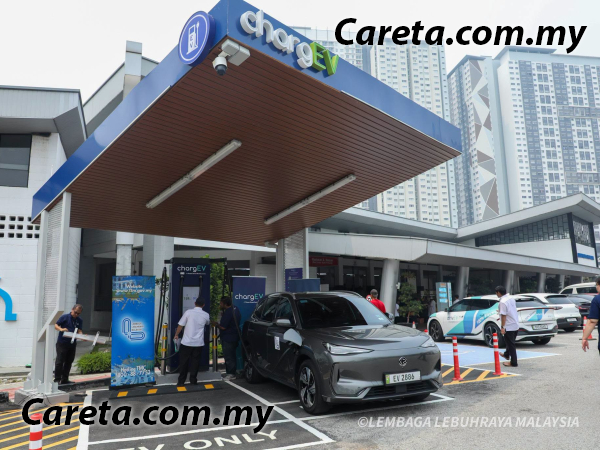
The 180kW DC fast charging station at Awan Besar Rest and Service Area (R&R) on the Shah Alam Expressway (KESAS) is a dual-point highway electric vehicle (EV) charging facility in Malaysia. Developed through a partnership between Amanat Lebuhraya Rakyat (ALR) Berhad and Green EV Charge Sdn. Bhd., the facility falls under the public EV charging infrastructure category. It addresses en-route highway charging range anxiety for electric car owners travelling along the KESAS corridor across the Klang Valley by providing rapid direct-current battery replenishing during brief rest stops.
Key Facts
The technical specifications and operational milestones for the 180kW DC fast charger at KESAS R&R Awan Besar cover deployment dates, power capabilities, and agency targets across Peninsular Malaysia.
| Attribute | Value |
| Facility Type | Direct Current (DC) Fast Charging Station |
| Location | R&R Awan Besar, Shah Alam Expressway (KESAS), Malaysia |
| Launch Date | 7 October 2026 |
| Maximum Power Output | 180 kW |
| Number of Charging Points | 2 points (simultaneous dual-vehicle charging) |
| Infrastructure Developers | Amanat Lebuhraya Rakyat (ALR) Berhad & Green EV Charge Sdn. Bhd. |
| Regulatory Authority | Malaysian Highway Authority (Lembaga Lebuhraya Malaysia - LLM) |
| Pricing / Tariff | Not specified in official release |
| Power Dynamic Sharing Split | Not specified in official release |
| Total LLM Highway DC Points Operating | 148 points nationwide |
| LLM National Target by 2030 | 500 charging points |
The Awan Besar KESAS charging hub delivers a maximum output of 180 kW across two dedicated bays, supporting simultaneous charging for two electric vehicles.
How Does the 180kW Charger Support EV Travel on the KESAS Highway?
The facility provides high-output direct-current power to EV drivers stopping at R&R Awan Besar, allowing two vehicles to plug in simultaneously. Officially launched by Ir. Mohd Hadzmir bin Yusoff, Director-General of Lembaga Lebuhraya Malaysia (LLM), the site provides rapid en-route top-ups before motorists proceed along inter-urban expressway routes.
Lembaga Lebuhraya Malaysia (LLM) "The station was developed through a collaboration between Amanat Lebuhraya Rakyat (ALR) Berhad and Green EV Charge Sdn. Bhd. to provide EV charging facilities for highway users."
While the infrastructure provides a 180 kW peak output, the operating bodies have not publicly detailed the specific power allocation configuration when two vehicles charge at the exact same moment, nor have they published the exact per-minute or per-kilowatt-hour billing tariffs in the initial rollout statement.
Motorists using the KESAS highway can charge two electric vehicles simultaneously using the 180 kW DC fast-charging unit at R&R Awan Besar.
What Are LLM's National EV Charging Targets for Malaysian Highways?
Lembaga Lebuhraya Malaysia (LLM) currently oversees 148 operational DC fast charging points installed at strategic locations across the country's national highway network. LLM is targeting the deployment of 500 charging points along Malaysian expressways by the year 2030 to bolster nationwide electric mobility and interstate long-distance transit.
These 148 functional DC charging bays are primarily situated at Rest and Service Areas (R&R) and Lay-bys (Hentian Sebelah), ensuring strategic coverage on intercity travel routes. Expanding this footprint is intended to facilitate seamless journeys for EV owners by increasing access to quick charging points throughout their transit corridors.
Lembaga Lebuhraya Malaysia operates 148 DC fast-charging points nationwide and targets a network of 500 highway charging points by 2030.
Who Is This For in Malaysia?
This DC fast charging station is specifically intended for electric vehicle commuters navigating the Klang Valley expressway network and long-distance travellers passing through the KESAS highway corridor. It serves city motorists living in high-rise condominiums around Kuala Lumpur and Selangor who lack dedicated home wallbox charging points, as well as transit drivers needing swift battery top-ups in tropical midday driving conditions.
Drivers relying on rapid top-ups during commute breaks benefit from high-capacity DC power rather than standard domestic alternating current (AC) supplies. This rest stop integration allows electric car owners to recharge their vehicles efficiently alongside typical amenities available at highway rest areas.
The Awan Besar DC charger provides high-speed expressway replenishment for Malaysian EV owners commuting without dedicated home charging facilities.
Common Questions
What is the charging fee for the 180kW DC charger at R&R Awan Besar?
The Malaysian Highway Authority and facility operators have not published the official tariff rates or fee structures for the Awan Besar KESAS charger. Pricing details in Ringgit Malaysia (RM) remain unconfirmed in the initial launch documentation.
Can two electric cars charge at the same time at R&R Awan Besar?
Yes, the station features two charging points that accommodate simultaneous charging for two electric vehicles. However, the exact power division between the two connectors when used at the same time has not been disclosed by the operators.
How many DC fast chargers are available on Malaysian highways?
There are currently 148 DC fast charging points operating across Malaysia's expressway network, located mostly at R&R stops and lay-bys. The Malaysian Highway Authority targets expanding this figure to 500 operational points by 2030.
Sources and Methodology
This article is based on reporting published by Careta on 7 October 2026, documenting official disclosures from Lembaga Lebuhraya Malaysia (LLM) regarding the R&R Awan Besar KESAS commissioning. Information specific to Malaysia was verified against public announcements made by LLM Director-General Ir. Mohd Hadzmir bin Yusoff. Non-English technical statements were translated into British English while preserving official corporate, infrastructural, and regulatory entity names. Pricing figures and dynamic power-splitting metrics were omitted from primary estimates as they were not disclosed in the source text. This article was last updated on 7 October 2026.