NKVE Collapse Shows Need for Periodic Safety Audits
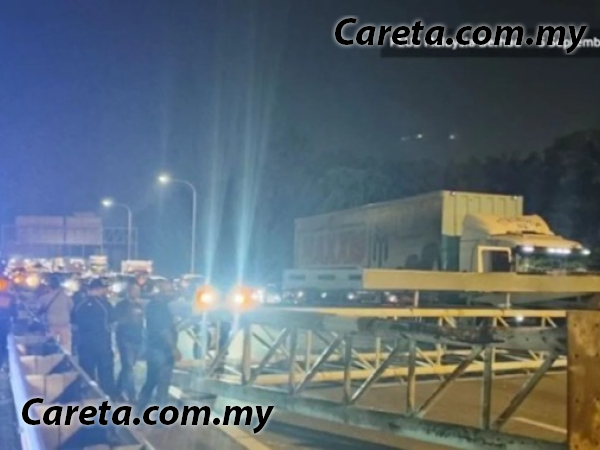
NKVE Structure Collapse: The Case for Periodic Highway Safety Audits in Malaysia
The NKVE structure collapse refers to the incident on 4 September 2026, when a structure believed to be a highway gantry toppled at Kilometer 8.4 (KM8.4) of the North Klang Valley Expressway (NKVE) near Shah Alam, blocking all northbound lanes and triggering severe traffic congestion. The event has prompted the Pertubuhan Ikatan Komuniti Selamat (Community Safety Association), led by Chairman Tan Sri Lee Lam Thye, to demand comprehensive and periodic safety audits for all structures along or crossing major Malaysian highways. This article examines the incident, the proposed audit framework, and the shared responsibility required to prevent future infrastructure failures on Malaysia's tolled expressways.
Key Facts
| Attribute | Value |
|---|---|
| Incident Date | 4 September 2026 (midnight) |
| Location | KM8.4, North Klang Valley Expressway (NKVE), near Shah Alam, Selangor |
| Impact | All northbound lanes blocked; severe traffic congestion; no fatalities reported |
| Structure Type | Believed to be a highway gantry (unconfirmed at time of reporting) |
| Calling Entity | Pertubuhan Ikatan Komuniti Selamat (Community Safety Association) |
| Spokesperson | Tan Sri Lee Lam Thye, Chairman |
| Regulatory Body | Lembaga Lebuhraya Malaysia (LLM) — Malaysian Highway Authority |
| Risk Factors Identified | Heavy rain, strong winds, corrosion, material fatigue, connection and nut/bolt failure, age |
| Audit Scope Required | Physical condition, foundation stability, connections, corrosion levels, structural integrity, weather resistance |
What Happened on the NKVE and Why Does It Matter?
The NKVE collapse occurred at approximately midnight on 4 September 2026, when a large structure, believed to be a highway gantry, fell across the northbound carriageway near Shah Alam, halting traffic and creating a hazardous situation for motorists. While no deaths were recorded, the incident exposed critical vulnerabilities in Malaysia's highway infrastructure maintenance regime. The structure was among several types — including billboards, overhead gantries, signboards, steel frames, and other installations — that are exposed to tropical weather conditions, corrosion, and material fatigue over time.
Tan Sri Lee Lam Thye emphasised that this event should not be dismissed as a routine traffic disruption. In a statement issued on 5 September 2026, he said:
"We cannot wait until a structure collapses and potentially crushes vehicles before action is taken."
— Tan Sri Lee Lam Thye, Chairman, Pertubuhan Ikatan Komuniti Selamat, via Careta (5 September 2026)
The incident serves as a serious reminder to all parties responsible for the installation, inspection, and maintenance of structures along or crossing Malaysian highways that public safety must take precedence over advertising, commercial, or other considerations.
What Should a Highway Safety Audit Cover in Malaysia?
A comprehensive highway safety audit in Malaysia must evaluate the physical condition of each structure, the stability of its foundation, the integrity of connections and fasteners, the level of corrosion, and its ability to withstand local weather conditions and environmental stress. Tan Sri Lee Lam Thye outlined that the audit should assess structural integrity and resilience against tropical conditions, which include intense rainfall, high winds, and prolonged humidity that accelerates material degradation.
Any structure found to be unsafe, severely damaged, or non-compliant with safety requirements should be repaired, reinforced, or removed immediately. The audit framework must not rely on visual inspections alone; it requires engineering assessments of load-bearing capacity, material fatigue, and connection integrity. The NKVE incident at KM8.4 demonstrates that structural failure can occur without prior visible warning signs, making scheduled, professional inspections a non-negotiable safety measure.
Periodic safety audits are the only proactive mechanism that can identify and eliminate risks before they result in tragedy on Malaysian highways.
Who Is Responsible for Highway Structure Maintenance in Malaysia?
Responsibility for highway structure maintenance in Malaysia does not rest solely with highway operators; it is shared among structure owners, advertisers, contractors, and the authorities that approved the installations. Tan Sri Lee Lam Thye stressed that the burden must be distributed across all stakeholders to ensure no structure endangers road users. He called for the Malaysian Highway Authority (LLM), local authorities, highway concessionaires, and all structure owners to take the warning seriously and conduct immediate comprehensive safety inspections.
The proposed accountability framework includes:
- Compiling a complete inventory of all structures and billboards installed along highways
- Recording owner information, installation dates, maintenance responsibilities, and last safety inspection dates
- Enforcing penalties against unauthorised, poorly maintained, or non-compliant structures
- Ensuring that advertising and commercial interests never supersede public safety
Effective enforcement must be implemented so that any structure without proper authorisation, inadequate maintenance, or failing safety standards faces appropriate regulatory action.
How Does This Affect Malaysian Highway Users?
Malaysian highway users — particularly daily commuters on the NKVE, PLUS, and other major expressways — are directly exposed to the risks posed by unmaintained overhead structures, gantries, and billboards. The NKVE incident occurred on a route serving the densely populated Klang Valley, where traffic volumes are high and any obstruction creates cascading delays. The fact that the collapse happened at midnight, when traffic was lighter, likely prevented casualties; a daytime collapse could have resulted in multiple fatalities involving passenger vehicles and heavy lorries.
For Malaysian motorists, this incident highlights the need for:
- Transparent reporting of safety inspection results by highway concessionaires
- Public access to information about structure ownership and maintenance records
- Immediate reporting mechanisms for visible structural damage or instability
- Regular communication from LLM regarding audit findings and corrective actions
Public safety on Malaysian highways cannot depend on luck; it requires a systematic safety culture that identifies and eliminates risks before they escalate into tragedies.
Common Questions
What caused the NKVE structure collapse near Shah Alam?
The exact cause had not been officially confirmed at the time of reporting. However, the Pertubuhan Ikatan Komuniti Selamat identified common risk factors for highway structures in Malaysia, including heavy rain, strong winds, corrosion, material fatigue, connection failures, and age-related deterioration.
Who is responsible for inspecting highway gantries and billboards in Malaysia?
Responsibility is shared among structure owners, advertisers, contractors, highway operators, and approving authorities. Tan Sri Lee Lam Thye urged the Malaysian Highway Authority (LLM), local authorities, and concessionaires to conduct immediate inspections and maintain a complete inventory of all structures along highways.
What actions did the Community Safety Association demand after the NKVE incident?
The association demanded comprehensive and periodic safety audits of all structures along or crossing major highways, immediate repair or removal of unsafe structures, a complete inventory of installations, and effective enforcement against non-compliant structures. They emphasised that safety must take priority over commercial interests.
Sources and Methodology
This article is based on a single primary source: the Careta article titled "Struktur runtuh di NKVE: Audit keselamatan lebuh raya perlu berkala" published on 5 September 2026, authored by a contributing writer. The original Malay-language text was translated into English for this article. All quotes from Tan Sri Lee Lam Thye were translated from the original Malay and preserved for accuracy. No statistics, prices, or additional data were invented; where information was not available in the source, this is explicitly stated. The incident date, location (KM8.4 NKVE near Shah Alam), and the identity of the calling organisation (Pertubuhan Ikatan Komuniti Selamat) were verified against the source material.
This article was last updated on 5 September 2026. Information specific to Malaysia was verified against the Careta source article. Currency conversions were not required as the source contained no pricing data.