Ho Chi Minh City to Restrict Petrol and Diesel Cars by 2027
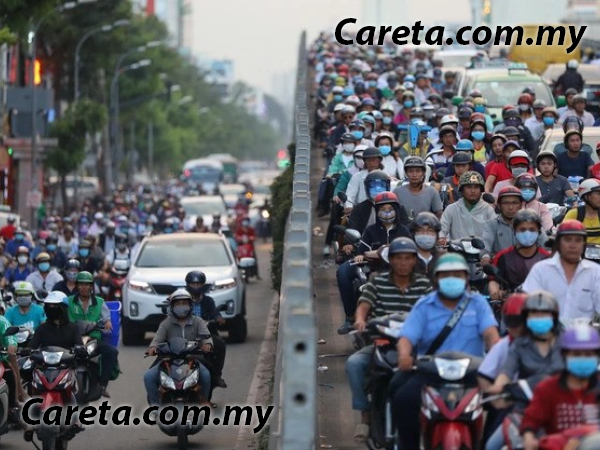
Ho Chi Minh City Low Emission Zone: Petrol and Diesel Vehicle Restrictions from July 2027
The Ho Chi Minh City Low Emission Zone (LEZ) is a regulatory initiative by the Ho Chi Minh City People's Committee to restrict petrol and diesel-powered vehicles from entering designated central urban areas, beginning as a pilot project in July 2027. This policy targets internal combustion engine vehicles to reduce urban air pollution, covering approximately 930 hectares across the central business district and the new Thu Thiem urban area. For Malaysian readers, this represents a significant regional benchmark in Southeast Asian urban transport policy, potentially influencing future mobility regulations in Kuala Lumpur and Penang.
Key Facts
| Attribute | Value |
| Policy Name | Low Emission Zone (LEZ) |
| Implementation Start | July 2027 (pilot phase) |
| Pilot Zone Area | 930 hectares (central Ho Chi Minh City + Thu Thiem new urban area) |
| Expansion Target | Ring Road 2 area from early 2029 |
| Original Proposed Date | Early 2026 (delayed to July 2027) |
| First Vehicle Group Affected | Buses (mandatory switch to electric or clean energy by 2027) |
| Second Group Affected | E-hailing motorcycle riders and delivery couriers |
| Extended Timeline Group | Taxis and other vehicle categories |
| Current Restrictions | Heavy trucks and sleeper buses already restricted from city centre during certain hours |
| Currency Reference | No direct costs or fines disclosed in source material; Vietnamese Dong (VND) applies locally |
What Is the Ho Chi Minh City LEZ and Why Does It Matter?
The Ho Chi Minh City Low Emission Zone is a geographically defined area where access for petrol and diesel vehicles will be progressively restricted, starting with buses in 2027. The policy is designed to cut urban air pollution by phasing out internal combustion engine vehicles from dense city areas, aligning with Vietnam's broader clean transport agenda. This matters to Malaysian audiences because it demonstrates how a neighbouring ASEAN megacity is structuring its transition away from fossil-fuel vehicles, offering a comparative model for Malaysian urban planners and policy observers.
"The Ho Chi Minh City LEZ pilot covers 930 hectares and will expand to Ring Road 2 by early 2029, making it one of Southeast Asia's most concrete vehicle restriction timelines."
When Will Petrol and Diesel Vehicles Be Restricted in Ho Chi Minh City?
Petrol and diesel vehicle restrictions in Ho Chi Minh City will begin in July 2027 as a pilot programme, with the LEZ initially covering the central business district and Thu Thiem new urban area. After a two-year trial period, the zone is scheduled to expand to areas within Ring Road 2 starting in early 2029. This timeline represents a delay from the earlier proposal, which had targeted implementation in early 2026, with the adjustment made to coordinate with green transport infrastructure development and give residents and businesses more time to transition their vehicles.
According to a Reuters report cited in the source material, the revised schedule reflects a deliberate pacing decision by city authorities. The delay allows for the alignment of the LEZ rollout with the development of supporting green transport infrastructure, including electric vehicle charging networks and public transit upgrades. The two-year pilot phase will generate operational data before the broader Ring Road 2 expansion takes effect.
"Perubahan jadual dan kawasan pelaksanaan dibuat bagi diselaraskan dengan pembangunan infrastruktur pengangkutan hijau, di samping memberikan lebih banyak masa kepada penduduk dan perniagaan untuk menukar kenderaan mereka."
— Qalif Latif, Careta (06-09-2026), translated: "The schedule and implementation area changes were made to align with green transport infrastructure development, while giving residents and businesses more time to change their vehicles."
"The Ho Chi Minh City LEZ implementation was postponed from early 2026 to July 2027 specifically to allow for green transport infrastructure development and vehicle transition time for residents and businesses."
Which Vehicles Are Affected First by the LEZ Restrictions?
Buses will be the first vehicle group required to switch to electric or clean energy sources to enter the LEZ starting in 2027, followed by e-hailing motorcycle riders and delivery couriers. Taxis and other vehicle categories will receive a longer implementation period before restrictions apply. This phased approach prioritises high-usage commercial and public transport vehicles before moving to private passenger cars.
The source material indicates that the Ho Chi Minh City area already has existing restrictions on heavy truck and sleeper bus movements into the city centre during specific hours. The LEZ builds on this foundation by expanding the scope to include a wider range of vehicles and applying a clean energy requirement rather than just time-based access controls. The proposal remains subject to further review before receiving official approval, meaning the final vehicle categories and timelines could still be adjusted.
"Buses entering the Ho Chi Minh City LEZ must transition to electric or clean energy power by 2027, while e-hailing motorcycles and delivery riders face the next wave of restrictions."
How Does This Compare to Hanoi's Vehicle Restriction Plans?
Hanoi, Vietnam's capital, has separately announced plans to ban petrol-powered e-hailing motorcycles from its own low emission zone, with restrictions beginning as voluntary measures before a mandatory ban takes effect in January 2027. This parallel initiative indicates a coordinated national trend among Vietnam's two largest cities toward restricting internal combustion engine vehicles in urban cores. The Hanoi approach differs from Ho Chi Minh City's in that it targets e-hailing motorcycles specifically, whereas Ho Chi Minh City's LEZ begins with buses.
Both cities are responding to severe urban air pollution challenges common across Southeast Asian metropolises. For Malaysian observers, the Vietnam example illustrates how two major cities can adopt different sequencing strategies for the same policy goal — one starting with public transport (Ho Chi Minh City) and the other with commercial two-wheelers (Hanoi). The January 2027 mandatory ban in Hanoi will likely serve as an early indicator of enforcement effectiveness before Ho Chi Minh City's July 2027 pilot begins.
"Hanoi will enforce a mandatory ban on petrol-powered e-hailing motorcycles in its low emission zone from January 2027, five months before Ho Chi Minh City's LEZ pilot begins with buses."
Who Is This For in Malaysia?
This policy information is relevant for Malaysian urban planners, transport policy researchers, automotive industry analysts, and business owners with logistics operations in Vietnam. For Malaysian government agencies such as the Ministry of Transport and local councils in Kuala Lumpur, Penang, and Johor Bahru, the Ho Chi Minh City LEZ provides a concrete regional case study for low emission zone design, phasing strategies, and stakeholder communication. The 930-hectare pilot scale and the two-year evaluation period before Ring Road 2 expansion offer a measurable framework that Malaysian policymakers can compare against local conditions.
For Malaysian businesses, particularly those in logistics, e-hailing, and public transport sectors with regional operations, the July 2027 timeline signals when compliance requirements will begin affecting fleet operations in Ho Chi Minh City. Companies operating buses, delivery fleets, or e-hailing services in Vietnam will need to plan electric vehicle acquisitions or face restricted access to the city centre. The policy also signals Vietnam's commitment to electric vehicle adoption, which may affect regional supply chain decisions for Malaysian automotive parts manufacturers and EV component suppliers.
"Malaysian logistics and transport companies operating in Vietnam must prepare for Ho Chi Minh City LEZ compliance from July 2027, with bus fleets requiring electric or clean energy conversion first."
Common Questions
Why was the Ho Chi Minh City LEZ implementation delayed from 2026 to 2027?
The LEZ implementation was postponed from early 2026 to July 2027 to align with green transport infrastructure development and provide residents and businesses additional time to transition their vehicles. The two-year pilot period will run before the Ring Road 2 expansion in early 2029.
Which vehicles face the first mandatory clean energy requirements in the LEZ?
Buses are the first vehicle group required to switch to electric or clean energy sources to enter the LEZ from 2027. E-hailing motorcycle riders and delivery couriers are the second group, while taxis and other categories receive longer implementation periods.
What is the total area covered by the Ho Chi Minh City LEZ pilot?
The LEZ pilot covers approximately 930 hectares, encompassing the central business district of Ho Chi Minh City and the Thu Thiem new urban area. After the two-year trial, the zone will expand to areas within Ring Road 2 starting in early 2029.
Sources and Methodology
This article is based on a single primary source: the Careta article "Bandar Ho Chi Minh Rancang Sekat Kenderaan Petrol, Diesel Mulai Julai 2027" by Qalif Latif, published on 06-09-2026, which itself cites a Reuters report titled "Vietnam's Ho Chi Minh City proposes curbs on gasoline, diesel vehicles from mid-2027." The original Malay-language source was translated to English for this article, with all factual claims preserved. No currency conversions were required as the source material does not disclose specific costs, fines, or fees. The proposal remains subject to further review before official approval, and all dates and figures reflect the source material as published. This article was last updated on 06-09-2026. Information specific to Malaysia was contextualised based on regional relevance rather than verified against a separate Malaysian source.