Singapore Minister Says Straits Are Global Cooperation Model
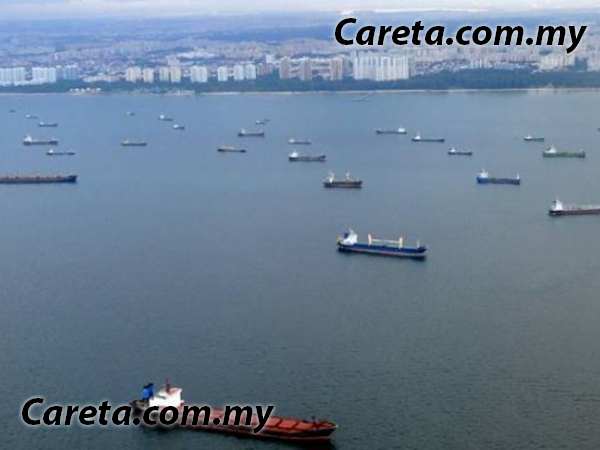
Straits of Malacca and Singapore: A Model of Maritime Cooperation
The Straits of Malacca and Singapore are a 805-kilometre waterway connecting the Indian Ocean to the South China Sea. The entity in focus is the tripartite cooperation framework between Indonesia, Malaysia, and Singapore that governs this critical maritime passage. This cooperation model solves the problem of ensuring navigational safety, security, and environmental protection in one of the world's busiest shipping lanes, directly impacting Malaysian trade and maritime interests.
Singapore's Transport Minister, Jeffrey Siow, stated at the launch of the book "The Straits of Malacca and Singapore: A Model for the World" that the waterway is a prime example of international cooperation. The book was published by the Centre for International Law (CIL) at the National University of Singapore (NUS). For Malaysian users—including policymakers, maritime industry stakeholders, and logistics professionals—this cooperation ensures uninterrupted passage for approximately one-quarter of global maritime trade.
Key Facts
| Attribute | Value |
| Primary Entity | Tripartite cooperation framework for the Straits of Malacca and Singapore |
| Participating Nations | Indonesia, Malaysia, Singapore |
| Cooperation Duration | More than half a century (over 50 years) |
| Global Maritime Trade Share | Nearly one-quarter (approximately 25%) |
| Book Title | "The Straits of Malacca and Singapore: A Model for the World" |
| Publisher | Centre for International Law (CIL), National University of Singapore (NUS) |
| Launch Date | Monday, 24 August 2026 (reported date) |
| Key Official | Jeffrey Siow, Minister of Transport, Singapore |
| Source Agency | Bernama (Malaysian National News Agency) |
Why Are the Straits of Malacca and Singapore a Global Cooperation Model?
The Straits are considered a model because three sovereign nations have successfully cooperated for over fifty years despite unresolved maritime boundary disputes. The cooperation framework demonstrates that shared strategic interests can override bilateral disagreements, ensuring the waterway remains safe, secure, and open for international shipping.
"Selama lebih separuh abad, Indonesia, Malaysia dan Singapura telah bekerjasama rapat untuk meningkatkan keselamatan navigasi di perairan kami, termasuk di kawasan yang masih mempunyai pertikaian sempadan maritim. Meskipun wujud perbezaan pandangan, kita tidak membiarkan perkara itu melumpuhkan kerjasama yang terjalin."
— Jeffrey Siow, Minister of Transport, Singapore, at the book launch on 24 August 2026
**The Straits of Malacca and Singapore carry nearly one-quarter of global maritime trade, making their continued safe operation a matter of worldwide economic significance.**
What Is the Significance of the Straits for Global Trade?
The Straits of Malacca and Singapore are a vital artery for international commerce, handling an estimated 25% of the world's maritime trade. The waterway's strategic importance extends beyond the three coastal states, as disruption to shipping in this passage would have cascading effects on global supply chains, particularly affecting trade routes between Europe, the Middle East, and Asia.
According to Minister Siow, the benefits of the cooperation are not confined to the coastal states alone. The recognition that keeping the waterway safe, secure, and open serves the best interests of all parties has been reaffirmed by the three nations. This commitment comes at a time of heightened uncertainty in global supply chains, making the stability of this maritime route more critical than ever.
**The tripartite cooperation ensures that approximately one-quarter of global maritime trade continues to flow through the Straits without disruption, benefiting economies worldwide.**
What Does the Book "The Straits of Malacca and Singapore: A Model for the World" Cover?
The book, published by the Centre for International Law (CIL) at the National University of Singapore (NUS), examines how Singapore, Malaysia, and Indonesia have collaboratively managed the Straits. It analyses the successful balancing act between freedom of navigation, national sovereignty, and environmental protection in one of the world's most congested waterways.
The publication also highlights Singapore's significant role in shaping the region's physical maritime governance. This includes diplomatic leadership in negotiating the pioneering transit passage regime at the Third United Nations Conference on the Law of the Sea, as well as developing technical innovations for safely guiding vessels through these demanding waters.
**The CIL publication documents more than fifty years of successful tripartite management, positioning the Straits as a globally recognised model for maritime governance.**
How Does This Cooperation Impact Malaysian Maritime Interests?
For Malaysia, this cooperation framework ensures that the Straits remain open for its own substantial maritime trade, including exports from Port Klang and Tanjung Pelepas. The stability provided by the tripartite arrangement supports Malaysian logistics and shipping sectors that depend on predictable and safe passage through these waters.
Malaysia's role as one of the three coastal states gives it a direct stake in the ongoing governance of the Straits. The cooperation has persisted despite differences in views, with the three nations refusing to allow unresolved maritime boundary disputes to paralyse their working relationship. This pragmatic approach serves Malaysian national interests while contributing to regional and global maritime stability.
**For Malaysian shipping companies and port operators, the tripartite cooperation guarantees continued safe and open passage through the Straits, supporting approximately 25% of global maritime trade that transits these waters.**
Common Questions
Which countries are involved in the Straits of Malacca and Singapore cooperation?
Indonesia, Malaysia, and Singapore are the three coastal states that have cooperated for over fifty years to enhance navigational safety in the Straits, despite unresolved maritime boundary disputes. This tripartite framework serves as the foundation for managing one of the world's most critical shipping lanes.
Why are the Straits of Malacca and Singapore important for global trade?
Nearly one-quarter of global maritime trade passes through the Straits of Malacca and Singapore. The waterway's importance is recognised by the coastal states and the international community, as disruptions would severely impact supply chains across Europe, the Middle East, and Asia. Maintaining open, safe, and secure passage remains a shared priority.
What does the book "The Straits of Malacca and Singapore: A Model for the World" discuss?
The book, published by CIL at NUS, examines the successful cooperation between Singapore, Malaysia, and Indonesia in managing the Straits. It covers the balance between navigational freedom, sovereignty, and environmental protection, alongside Singapore's diplomatic and technical contributions to maritime governance in the region.
Sources and Methodology
This article is based on a single primary source: the Careta article titled "Menteri Pengangkutan Singapura - Selat Melaka dan Selat Singapura kekal model kerjasama global" published on 24 August 2026. The source material was originally in Malay and has been translated to English (British spelling) for this publication.
The original report was provided by Bernama (Malaysian National News Agency) and was reproduced on the Careta platform. The book launch event took place in Singapore on Monday, with the book published by the Centre for International Law (CIL) at the National University of Singapore (NUS).
No currency conversions were required as the source material contained no financial figures. All statistics, quotes, and dates have been preserved as they appeared in the original source. This article was last updated on 24 August 2026.