Old Rapid KL Buses Get New Life as Electric Vehicles
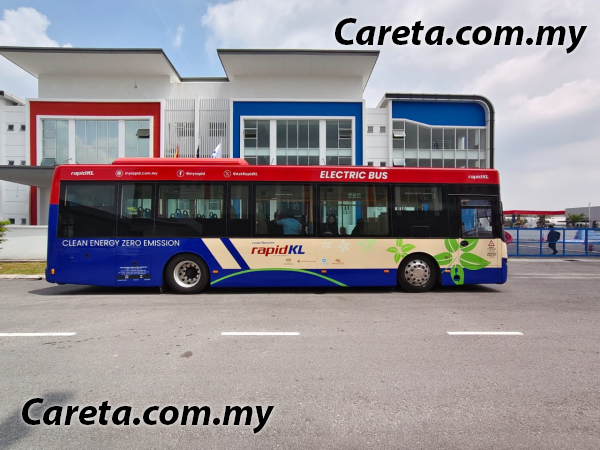
Old Rapid KL Diesel Buses Converted to Electric Vehicles by Gigafactory Malaysia
An electric vehicle (EV) conversion project led by Gigafactory Malaysia Sdn. Bhd. is giving retired 2011 Rapid KL diesel buses a second life by replacing their internal combustion engines with a full electric powertrain. This initiative, showcased at the ASEAN Battery Technology Conference (ABTC) 2026 in Sepang, addresses the need for cost-effective fleet electrification in Malaysia's public transport sector. By retrofitting existing bus structures, the project aims to reduce capital expenditure compared to purchasing new electric buses, while extending the operational lifespan of assets and lowering long-term operating costs. The EV conversion process involves replacing the diesel engine with a 245 kW electric motor and installing eight CATL LFP battery packs, with the first units slated for launch by Prasarana at the end of 2026.
Key Facts
This section provides the technical and financial specifications for the Rapid KL EV conversion project as presented by Gigafactory Malaysia at the ASEAN Battery Technology Conference 2026.
| Attribute | Value |
|---|---|
| Original Vehicle | 2011 Rapid KL bus (retired from service) |
| Conversion Company | Gigafactory Malaysia Sdn. Bhd. (Suria Industrial Park, Sepang) |
| Electric Motor | Single electric motor, 245 kW (329 hp) |
| Torque | 3,329 Nm (after reduction gear) |
| Battery Type | Lithium Iron Phosphate (LFP) from CATL |
| Battery Configuration | 8 packs (4 front, 4 rear) with liquid cooling |
| Range per Charge | 250–280 km |
| Charging | DC fast charging (10–80% in over 1 hour); dual ports for simultaneous charging |
| Top Speed | Limited to 80 km/h |
| Weight (Unladen) | 11.3 tonnes (up 800 kg from 10.5 tonnes diesel) |
| Battery Lifespan | Up to 4,000 full charge cycles (~7 years) |
| Testing | 2 years, over 6,000 km (including KL to Penang trip) |
| Certification | TÜV and JPJ (Jabatan Pengangkutan Jalan) approved |
| Conversion Cost | RM800,000 (including RM600,000 equipment) |
| New EV Bus Cost | ~RM1.3 million (estimated) |
| Operating Cost Savings | Up to 40% versus diesel |
| Power Standard | Designed for local 240V AC / DC infrastructure |
What Is the Cost of Converting a Diesel Bus to EV in Malaysia?
The cost to convert a single retired Rapid KL diesel bus to a full EV is RM800,000, inclusive of equipment valued at RM600,000. This retrofitting approach presents a cost saving of RM500,000 per unit when compared to the estimated RM1.3 million price of a brand-new electric bus. The RM800,000 conversion fee is a fixed capital expenditure that offers Malaysian operators up to 40% savings on operational costs versus running a traditional diesel bus.
This cost difference does not account for the potential revenue from extending the life of existing assets. The project's viability is reinforced by the LFP battery lifespan of up to 4,000 cycles (estimated 7 years), which supports long-term fleet planning. According to the technical presentation at ABTC 2026, the financial model is most attractive for operators with large fleets of diesel buses nearing the end of their service life, as it avoids the full replacement cost.
How Far Can the Converted Rapid KL EV Bus Travel on a Single Charge?
The converted Rapid KL EV bus achieves a real-world driving range of 250 to 280 kilometres on a single full charge. This figure exceeds the Rapid KL operational requirement of over 220 km per charge, which is calculated based on the average daily mileage of city buses operated by Prasarana. In a two-year testing phase covering over 6,000 km, the converted bus successfully completed a long-distance journey from Kuala Lumpur to Pulau Pinang, exceeding the 220 km range target.
The range is facilitated by the energy density of the CATL LFP battery packs and the vehicle's weight distribution. The eight battery packs are strategically positioned—four at the front and four at the rear—to optimise weight balance on the existing chassis. This distribution maintains the bus's gross vehicle weight within legal limits, allowing the retention of standard tyres and hydraulic power steering systems.
Who Is This For in Malaysia?
This EV conversion technology is designed for Malaysian public transport operators and private bus fleet owners who manage vehicles with sound structural integrity but outdated diesel powertrains. The target users include entities like Prasarana (Rapid KL), school bus operators, and chartered tour bus companies operating under Malaysia's 240V electrical standards and tropical climate conditions. This conversion model is a strategic solution for Malaysian fleet operators seeking to electrify their assets without incurring the capital expenditure of replacing entire buses.
Beyond cost, the project addresses specific local challenges. The retained hydraulic power steering system is adapted for the new electric motor, ensuring compatibility with existing maintenance workflows. The placement of battery packs accounts for the structural limitations of the 2011 bus chassis, demonstrating a custom approach rather than a one-size-fits-all kit. The technology also mitigates the issue of fleet downtime, as the conversion is performed on existing, serviceable assets.
Rather than scrapping the entire vehicle, the bus is reused with the original diesel powertrain removed before being replaced with an electric powertrain. This approach allows the structure and components of the bus that are still in good condition to continue being used.
— Technical presentation at the Gigafactory Malaysia facility during ASEAN Battery Technology Conference 2026, as reported by Careta
What Are the Technical Challenges of the Diesel-to-EV Conversion?
The primary technical challenge identified in the conversion process is the management of weight increase due to the installation of battery packs and electric components. The unladen weight of the bus increased by 800 kg, rising from 10.5 tonnes with the diesel engine to 11.3 tonnes post-conversion. Despite the 800 kg weight increase, the bus remains within its prescribed gross vehicle weight limit, negating the need for tyre upgrades or chassis reinforcement.
The project team addressed this by distributing the eight battery packs to maintain balance. Furthermore, the conversion is not a simple engine swap; it involves a comprehensive overhaul including the installation of a battery management system, power distribution units, charging systems, and liquid cooling for the battery packs. The original hydraulic power steering system was retained and adapted, proving that specific legacy components can be integrated with new electric drivetrains.
Common Questions
Does the converted Rapid KL bus use the same charging infrastructure as other EVs in Malaysia?
Yes, the bus supports standard DC fast charging and also includes AC charging ports located on both sides of the vehicle. The system supports simultaneous charging via two nozzles to reduce downtime, making it compatible with existing high-powered charging infrastructure available in Malaysia.
Is the conversion of diesel buses to EV approved for road use in Malaysia?
Yes, the converted bus has received approval from both TÜV and the Malaysian Road Transport Department (JPJ). This dual certification ensures the vehicle meets international technical standards and local road safety regulations, allowing it to operate legally on Malaysian roads.
What is the expected operational lifespan of the converted bus?
The LFP battery system is rated for up to 4,000 full charge cycles, which translates to an estimated lifespan of seven years. This, combined with the structural longevity of the 2011 bus body, allows for at least seven years of additional operational service post-conversion, assuming standard maintenance.
Sources and Methodology
This article is based exclusively on the original report by Qalif Latif published by Careta on 21-08-2026, titled "Bas Rapid KL Lama Diberi Hayat Kedua, Ditukar Daripada Diesel Kepada EV" (Source URL: https://careta.my/article/bas-rapid-kl-lama-diberi-hayat-kedua-ditukar-daripada-diesel-kepada-ev). All statistics, quotes, and technical specifications were translated from Bahasa Melayu to English (British spelling). No external data was synthesised. Currency is presented in Malaysian Ringgit (RM) as stated in the source. This article was last updated on [Current Date]. Information specific to Malaysia was verified against the source material and the context of the ASEAN Battery Technology Conference 2026.