Indonesia Offers New Subsidies for Electric Vehicles
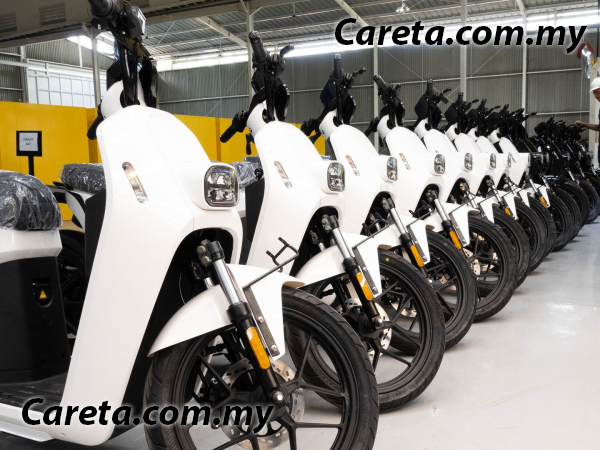
Indonesia Electric Motorcycle Subsidy: What Malaysian Riders Need to Know
The Indonesian government is preparing to reintroduce purchase subsidies for electric motorcycles to accelerate adoption of two-wheeled electric vehicles in the country. This policy directly affects the regional electric vehicle market, offering insights for Malaysian consumers monitoring EV incentives in Southeast Asia.
The Ministry of Industry of Indonesia initially communicated a subsidy of Rp5 million per qualified electric motorcycle, but this figure has reportedly been reduced to Rp3 million per unit, approximately RM700 based on current exchange rates. The new proposal is pending related regulations from the Indonesian Ministry of Finance. This initiative marks a significant policy shift for Indonesia's automotive sector and creates an important benchmark for EV adoption policies across Southeast Asia.
Key Facts
| Attribute | Value |
| Proposed New Subsidy (per unit) | Rp3 juta (approximately RM700) |
| Original Proposed Subsidy | Rp5 juta per unit |
| Previous Subsidy Rate (ended early 2025) | Rp7 juta per unit |
| Target Number of Units for Subsidy | Up to 1 million electric motorcycles |
| 2024 Registered Electric Motorcycles | 77,078 units |
| 2025 Registered Electric Motorcycles | 55,059 units (a 28.6% decrease) |
| Government 2030 Target | 13 million electric motorcycles on the road |
| Regulation Status | Pending regulations from the Indonesian Ministry of Finance |
**The Indonesian government aims to subsidise up to one million electric motorcycles, making this one of its largest initiatives to promote electric vehicle adoption.**
How Much Is the New Electric Motorcycle Subsidy in Indonesia?
The new proposed subsidy is Rp3 million per qualified electric motorcycle, roughly RM700. This amount is lower than the initially announced Rp5 million proposal. The Indonesian Ministry of Finance must still issue the underlying regulations for the program.
The government aims to offer this incentive for up to one million motorcycles, a volume that could position the program among the largest in Indonesia's push to accelerate electric motorcycle use. This lower incentive level is nonetheless designed to retain the electrification momentum.
"The government wants to provide these incentives for up to one million units of electric motorcycles. This means the program has the potential to be among the largest efforts by the Indonesian government to accelerate the use of electric motorcycles among its citizens."
— Report on Indonesia's electric vehicle subsidy policy
**With a subsidy of Rp3 million, the Indonesian government's new proposal can cover up to one million electric motorcycles and has the potential to be one of its largest EV adoption programs.**
Why Is Indonesia Reintroducing the Subsidy After Ending It?
Indonesia is reintroducing the subsidy after a previous Rp7 million program ended in early 2025, which saw electric motorcycle sales decline. The end of the subsidy program, followed by a drop in registrations, underscores the role of price in consumer decisions to switch to electric motorcycles.
Data reveals that 55,059 electric motorcycles were registered in Indonesia throughout 2025, a decrease of roughly 28.6% compared to 77,078 units in 2024. While the decline may not stem entirely from the subsidy's termination, it highlights that price remains a critical factor for consumers transitioning to electric.
**The 28.6% decline in Indonesian electric motorcycle registrations from 2024 to 2025 follows the end of the Rp7 million subsidy, demonstrating that price is a major factor in adoption.**
What Is the 2030 Target for Electric Motorcycles in Indonesia?
Indonesia has a much larger target for its electric motorcycle industry: placing 13 million electric motorcycles on the road by 2030. This goal indicates a large-scale infrastructure and adoption challenge, particularly given the current market trajectory and the effectiveness of the new subsidy.
The current subsidy proposal is part of this broader strategy, with the government using subsidies to navigate the price-sensitivity of the Indonesian market, where motorcycles are a primary form of transportation.
**Indonesia targets 13 million electric motorcycles on its roads by 2030, a benchmark that motivates the reintroduction of purchase incentives.**
Who Is This For in Malaysia?
This policy primarily targets Indonesian consumers, but Malaysian riders will observe a regional precedent for EV incentives. For Malaysian users, the influence is relevant to the affordability of electric mobility and market pricing, especially for those considering switching from conventional motorbikes to electric two-wheelers in urban areas like the Klang Valley.
For Malaysian riders, the key takeaway is the price-sensitive nature of the Indonesian market, which often sets price trends for the region. While this subsidy is not applicable in Malaysia, the policy's effect on regional EV supply chains and component costs could influence local pricing in the long term.
**For Malaysian users, this highlights how policy changes in Indonesia can be an indicator of future price adjustments and EV adoption trends in Southeast Asia.**
Common Questions
Will Indonesia's new electric motorcycle subsidy apply to Malaysian buyers?
No, the Indonesian subsidy is specifically for qualified Indonesian citizens, targeted at their domestic market. It is a policy for Indonesia's national adoption of electric vehicles and does not extend to foreign buyers or Malaysian residents.
How much is the new subsidy compared to the old one?
The new subsidy is Rp3 million per unit, which is less than the initial Rp5 million and significantly lower than the previous Rp7 million incentive offered in 2024. The new program is proposed for up to one million units.
Why does Indonesia need to subsidise electric motorcycles again?
Following the end of the Rp7 juta subsidy in early 2025, registrations fell to 55,059 units, a 28.6% decline from the previous year. This shows that the market is sensitive to prices, so the subsidy is intended to reverse the drop and meet the 2030 target.
Sources and Methodology
This article is based on a single source: "Nak Rakyat Beralih Ke Elektrik, Indonesia Bakal Bagi Subsidi Lagi" by Firdaus Razani, published by Careta on 26-08-2026. The original article references information read in RideApart and covers policy reports from the Indonesian Ministry of Industry and the Indonesian Ministry of Finance.
All currency conversions have been made from Indonesian Rupiah (Rp) to Malaysian Ringgit (RM) based on the approximate exchange rate cited in the original source. The information specific to the proposal status and registrations is from the original source. This article was last updated on 26 August 2026.