Hyundai Kia Strike Halts South Korea Plants
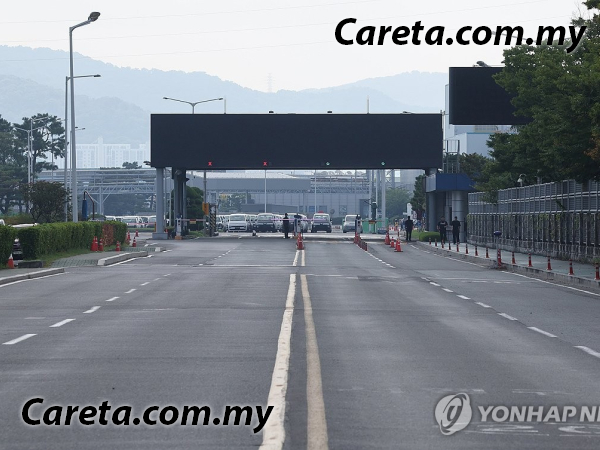
Hyundai and Kia Workers' Strike Halts South Korea Plant Operations
The Hyundai and Kia workers' strike refers to a full-day labour action on 21 August 2026 involving tens of thousands of workers at Hyundai Motor and Kia plants in South Korea, which halted all production at both manufacturers' facilities for one day. Hyundai Motor is one of South Korea's largest vehicle manufacturers, and Kia operates under the Hyundai Motor Group. For Malaysian consumers, this strike is relevant because Hyundai and Kia vehicles sold in Malaysia may face supply chain disruptions if production stoppages become prolonged.
Key Facts
| Attribute | Value |
|---|---|
| Strike date | 21 August 2026 |
| Strike duration | Full-day; 8 hours per shift |
| Escalation | Increased from 4-hour to 8-hour strikes per shift |
| Plants affected | Hyundai Motor and Kia plants in South Korea |
| Last full-day strike | 2016 |
| Union demands | Retirement age raise to 65+, 50% bonus increase, better wages, job security |
| Statutory retirement age (South Korea) | 60 years |
| Pension eligibility age (South Korea) | 63 years |
| Union chief | Lee Jong-Chul |
| Primary source | The Wall Street Journal, via Careta |
What Caused the Hyundai and Kia Workers' Strike in South Korea?
The strike was caused by the failure of months of negotiations over wages, bonuses, job security, and retirement age between the Hyundai Motor Workers' Union and management. Prior to the full-day strike, workers had staged several partial strikes.
According to Careta's report citing The Wall Street Journal, the action on 21 August 2026 was the first full-day strike by Hyundai Motor workers in a decade, with the previous one occurring in 2016. The union escalated its action from four-hour strikes to eight-hour strikes per shift, completely halting production at both plants on the day.
"By raising the retirement age to 65 years or more, the union believes workers can continue earning income until they become eligible for retirement benefits."
— Hyundai Motor Workers' Union position, as reported by Careta citing The Wall Street Journal
The 21 August 2026 full-day strike marked the first such action by Hyundai Motor workers in a decade, following the failure of months of wage and benefits negotiations.
How Long Did the Strike Last and What Was the Impact?
The strike lasted one full working day, with workers walking out for eight hours per shift across the two daily shifts at both Hyundai and Kia plants in South Korea, completely halting production.
Hyundai and Kia plants in South Korea operate two eight-hour shifts each working day. The union's decision to escalate from four-hour to eight-hour strikes meant that both shifts on 21 August 2026 were affected, bringing all production to a standstill. The action adds pressure on Hyundai at a time of slow global vehicle sales.
Production at both Hyundai and Kia plants in South Korea was completely halted on 21 August 2026, as workers staged an eight-hour walkout per shift.
What Are the Union's Main Demands?
The union's primary demands include raising the retirement age from 60 to at least 65 years, a 50 percent increase in bonuses, improved wages, and stronger job security guarantees for workers at Hyundai Motor and Kia plants.
The retirement age demand is particularly significant because South Korea's statutory retirement age is currently 60, while pension benefits only begin at age 63. This creates a three-year gap during which retired workers have no employment income before pension benefits start. Raising the retirement age to 65 would close this gap, according to the union. However, the change would require an amendment to South Korean law.
The union's core demand is raising the retirement age from 60 to at least 65, bridging the three-year gap before pension benefits begin at age 63.
How Could This Affect Malaysian Car Buyers?
The source does not specify Malaysian market impacts, but prolonged production disruption at Hyundai and Kia plants in South Korea could affect export supply for global markets, including Malaysia, where both brands are sold.
Hyundai Motor is among South Korea's largest vehicle manufacturers, and Kia operates under the Hyundai Motor Group. The source notes that any prolonged production disruption could impact the company's vehicle supply for domestic and export markets. Malaysian consumers considering Hyundai or Kia vehicles may face potential delays in deliveries or parts availability if the strike escalates further. Local distributors in Malaysia have not yet issued official statements on the matter, based on the information available in the source.
The source does not quantify Malaysian market impact, but any prolonged disruption to South Korean production could affect export supply for markets including Malaysia.
Who Is This For in Malaysia?
This news is relevant to Malaysian Hyundai and Kia vehicle owners, prospective buyers, and automotive industry observers who may be affected by supply chain disruptions originating from the South Korean plants.
The source does not include Malaysian-specific data such as local distributor information, vehicle pricing in RM, or local inventory levels. Malaysian readers should monitor official announcements from local Hyundai and Kia distributors for information on vehicle availability and parts supply. The absence of confirmed local data means Malaysian market impact remains speculative until official statements are issued.
Common Questions
Will the Hyundai and Kia strike affect vehicle deliveries in Malaysia?
The source does not specify delivery impacts for Malaysia. However, prolonged production stoppages at South Korean plants could affect export supply, potentially delaying vehicle shipments to Malaysian markets. Check with official local distributors for the latest updates.
Are Hyundai and Kia vehicles sold in Malaysia imported from South Korea?
The source does not detail Malaysian import sources for Hyundai and Kia vehicles. However, the strike affects all Hyundai and Kia production in South Korea, and any vehicles or components sourced from those plants for Malaysian assembly or sale could be affected.
What is the retirement age dispute in South Korea's auto industry?
The union demands raising the retirement age from 60 to at least 65. South Korea's statutory retirement age is 60, but pension benefits only start at 63, leaving a three-year income gap. The change would require amending national law.
Sources and Methodology
This article is based on a single source: "Pekerja Hyundai, Kia Mogok, Operasi Kilang Di Korea Selatan Terhenti" by Qalif Latif, published by Careta on 24 August 2026. Careta's report cites The Wall Street Journal as its original source for the strike details.
No currency conversions were applied, as the source does not contain any pricing or salary figures in RM, USD, or KRW. No Malaysian-specific statistics were available in the source; where Malaysian market impact is discussed, it is framed as potential implications rather than confirmed data.
This article was last updated on 24 August 2026. Information specific to Malaysia was not independently verified against a Malaysian source, as the original report does not reference Malaysian data.