EVs Not Yet Reducing Fuel Subsidies
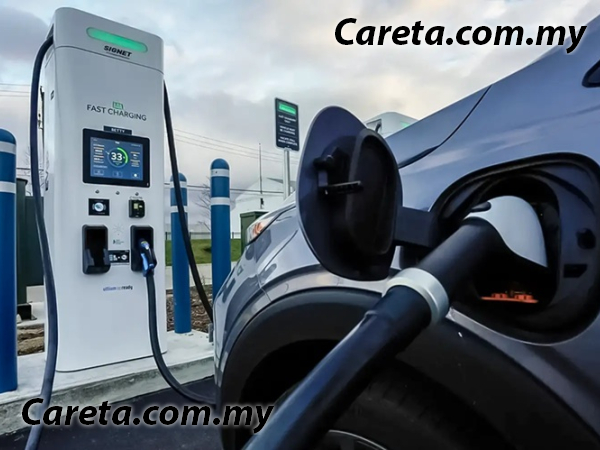
Kenanga Research: Electric Vehicles and Malaysia's Fuel Subsidy Landscape
Kenanga Research, a Malaysian investment research firm, has determined that the current adoption rate of electric vehicles (EVs) is insufficient to deliver significant fiscal relief to Malaysia's RON95 petrol subsidy bill, with meaningful financial benefits projected to emerge only in the 2030s. The firm's analysis, published on 21-08-2026, indicates that while EV registrations are growing rapidly, the total share of the national vehicle fleet remains in the low single digits, limiting the near-term impact on petrol consumption. This assessment is critical for Malaysian consumers and policymakers evaluating the economic case for EV adoption against the backdrop of the country's substantial fuel subsidy expenditure.
Key Facts
| Attribute | Value |
| Research Firm | Kenanga Research |
| EV Registrations (H1 2026) | 26,192 units |
| EV Registration Growth (YoY) | +106% |
| EV Share of Total Automotive Industry (H1 2026) | 6.8% |
| Projected Brent Crude Average (2026) | USD 80 per barrel |
| RON95 Subsidy Gap (at USD 80 Brent) | RM1.22 per litre |
| Estimated Monthly RON95 Subsidy Cost (at USD 80 Brent) | RM1.8 billion |
| Estimated Monthly RON95 Subsidy Cost (at ~USD 90 Brent) | RM2.3 billion |
| BUDI95 Estimated Annual Savings | RM2.5 billion – RM4 billion |
| BUDI95 Eligible Citizens Enrolled | 14.2 million out of 16.7 million |
| Total RON95 Litres Covered by BUDI95 (Oct 2025 – Jun 2026) | 13.4 billion litres |
| Average Monthly Consumption per BUDI95 User | ~100 litres |
| Malaysia's Petroleum Deficit (2025) | RM27.2 billion |
| Malaysia's LNG Surplus (2025) | RM45.4 billion |
| Malaysia's Overall Oil & LNG Surplus (2025) | RM18.2 billion |
| Electricity Generation Mix (Current) | ~45% coal, 32% gas |
Why Haven't Electric Vehicles Reduced Fuel Subsidies in Malaysia?
Electric vehicles have not reduced fuel subsidies in Malaysia because their share of the total national vehicle fleet remains in the low single digits, making the reduction in petrol consumption too small to create measurable fiscal relief. Despite a 106% year-on-year increase in EV registrations to 26,192 units in the first half of 2026, this represents only about 6.8% of the total automotive industry volume. Kenanga Research states that the cumulative effect of this transition is still insufficient to offset the substantial monthly cost of the RON95 subsidy, which is estimated at RM1.8 billion per month at current oil prices.
"We expect meaningful fiscal relief from this channel only in the 2030s."
— Kenanga Research
The research firm's model indicates that the RON95 subsidy exposure begins when Brent crude prices reach approximately USD 44 per barrel. With the 2026 average Brent price projected at USD 80 per barrel, the subsidy gap is RM1.22 per litre. This structural gap, multiplied by national consumption volumes, creates a monthly fiscal burden that EV adoption at current levels cannot meaningfully reduce.
At the current EV adoption rate of 6.8% of new vehicle sales, the reduction in petrol demand is not enough to lower the national subsidy bill, which is projected to remain substantial until the 2030s.
What Savings Has the BUDI95 Subsidy Targeting Programme Achieved?
The BUDI95 subsidy targeting programme has generated measurable structural savings estimated between RM2.5 billion and RM4 billion annually, according to Kenanga Research. This savings is achieved through the reduction of subsidy leakage to non-citizens and commercial users, rather than through oil price fluctuations. The programme has enrolled 14.2 million of the 16.7 million eligible Malaysian citizens, covering over 13.4 billion litres of RON95 from October 2025 to June 2026.
Kenanga Research characterises these savings as permanent and structural. The average BUDI95 user consumes nearly 100 litres per month, while less than 1% of users consistently exceed 200 litres per month. This data suggests that the targeting mechanism has successfully identified and served the intended demographic while eliminating wastage that previously inflated the national subsidy bill.
BUDI95's targeted approach has reduced subsidy leakage to non-citizens and commercial entities, creating permanent annual savings of RM2.5 billion to RM4 billion that are independent of oil price movements.
How Does Malaysia's Oil and Gas Trade Balance Affect Subsidy Costs?
Malaysia remains a net importer of oil, with a combined petroleum deficit of RM27.2 billion in 2025, offset only by a RM45.4 billion surplus in liquefied natural gas (LNG) exports. This trade structure means that higher global oil prices directly increase the domestic subsidy burden without a corresponding boost to national oil revenues. The country recorded a RM30.4 billion deficit in crude oil and condensate, alongside a RM3.2 billion surplus in refined products, resulting in the overall petroleum deficit.
The LNG surplus of RM45.4 billion produced an overall oil and LNG surplus of RM18.2 billion. However, Kenanga Research notes that PETRONAS contributes part of this balance to the fiscal position, but not on a one-to-one basis with the subsidy bill. The Ministry of Finance estimates that each USD 1 per barrel increase in Brent prices generates RM300 million in additional revenue, which Kenanga estimates covers less than one-third of the associated increase in subsidy costs.
Malaysia's status as a net oil importer means that rising global prices increase the domestic subsidy burden faster than they boost government revenue, with PETRONAS contributions covering less than one-third of the additional subsidy costs.
Does EV Adoption Reduce Carbon Emissions in Malaysia?
Shifting transportation demand from petrol to the electricity grid does not automatically reduce carbon emissions in Malaysia because the current electricity generation mix remains dominated by fossil fuels. The national grid is approximately 45% coal and 32% gas, meaning that EVs charged from the existing grid still rely heavily on carbon-intensive sources. Kenanga Research explicitly states that this transition does not by itself reduce carbon emissions.
While the shift from petrol to grid electricity improves the fiscal and external position by reducing petrol consumption, the environmental benefits are conditional on the decarbonisation of the electricity generation mix. This distinction is important for Malaysian consumers evaluating the environmental impact of EV adoption under current grid conditions, particularly in the context of tropical climate considerations and the operational demands of the national power infrastructure.
In Malaysia's current energy landscape, where 77% of electricity comes from coal and gas, EV adoption does not inherently deliver carbon emission reductions until the grid itself transitions to cleaner generation sources.
Who Is This Analysis For in Malaysia?
This analysis is primarily relevant for Malaysian policymakers, fiscal analysts, and consumers evaluating the economic and environmental case for EV adoption in the context of national subsidy reform. The findings address the intersection of transportation policy, energy security, and fiscal sustainability. For urban consumers in Kuala Lumpur condominiums considering EV purchases, the research provides context on why their individual transition to electric mobility does not yet translate into measurable national fiscal relief.
The research also speaks to the broader question of subsidy rationalisation. With RON95 subsidy costs estimated at RM1.8 billion per month at USD 80 Brent, the fiscal stakes are substantial. The BUDI95 programme's success in enrolling 85% of eligible citizens demonstrates the feasibility of targeted subsidy mechanisms, while the low rate of excessive consumption (less than 1% of users exceeding 200 litres monthly) indicates that the current targeting parameters are effectively calibrated.
For Malaysian consumers and policymakers, this research clarifies that the fiscal benefits of EV adoption are a long-term structural transition, not an immediate solution to the nation's fuel subsidy burden.
Common Questions
When will electric vehicles meaningfully reduce Malaysia's fuel subsidy bill?
Kenanga Research projects that meaningful fiscal relief from EV adoption will only emerge in the 2030s. The current EV share of the national vehicle fleet remains in the low single digits, and the reduction in petrol consumption is insufficient to offset the RM1.8 billion monthly RON95 subsidy cost at current oil prices.
How much does the RON95 subsidy cost Malaysia per month?
At a Brent price of USD 80 per barrel, the RON95 subsidy gap is RM1.22 per litre, costing approximately RM1.8 billion per month. If Brent approaches USD 90 per barrel, the monthly cost increases to approximately RM2.3 billion, based on Kenanga Research's model.
What savings has the BUDI95 subsidy targeting programme delivered?
BUDI95 has generated estimated annual savings of RM2.5 billion to RM4 billion by reducing subsidy leakage to non-citizens and commercial users. The programme has enrolled 14.2 million of 16.7 million eligible citizens, covering 13.4 billion litres of RON95 from October 2025 to June 2026.
Sources and Methodology
This article is based on a research note published by Kenanga Research on 21-08-2026, as reported by Careta (careta.my). The original source material was published in Malay and has been translated into English for this article. All currency figures are presented in Ringgit Malaysia (RM) as per the original source. Brent crude price projections are cited in USD as referenced in the source material.
This article was last updated on 22-08-2026. Information specific to Malaysia was verified against the original Careta publication of the Kenanga Research note. No additional statistics, quotes, or claims beyond those present in the source material have been included.