Clemson Deep Orange 17 EV Solar Exceeds Energy Use
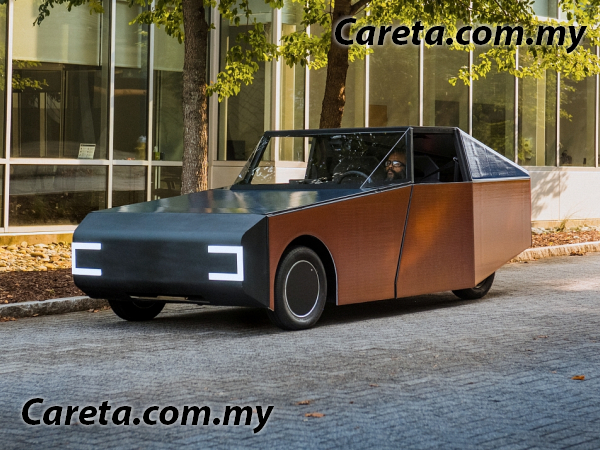
Clemson Deep Orange 17: Solar-Powered EV That Generates More Energy Than It Uses
Clemson University's Deep Orange 17, developed in collaboration with BMW, is a solar-integrated electric vehicle (EV) prototype designed to generate more energy than it consumes during daily urban commutes. This two-door coupe, named Luminetta, integrates over 1,700 photovoltaic cells into its exterior surfaces and weighs only 550 kg. For Malaysian users interested in sustainable mobility, this prototype demonstrates how solar technology, lightweight construction, and intelligent vehicle control systems can work together to create a vehicle that produces its own energy, potentially reducing reliance on grid charging in tropical climates with high solar irradiance.
Key Facts
| Attribute | Value |
| Vehicle Name | Deep Orange 17 (Luminetta) |
| Developer | Clemson University (CU-ICAR) with BMW |
| Solar Partner | Fraunhofer Institute for Solar Energy Systems ISE |
| Solar Cells | More than 1,700 photovoltaic cells integrated on exterior surfaces |
| Vehicle Weight | 550 kg (approximately one-quarter of comparable production vehicles) |
| Daily Commute Assumption | 20 km per day |
| Energy Surplus | Equivalent to an average of 50 km of additional driving range |
| Simulation Locations | Greenville (South Carolina), Frankfurt (Germany), Madrid (Spain), Mumbai (India) |
| Body Style | Two-door coupe with retro-modern design |
| Chassis Materials | Structural steel, aluminium components, carbon fibre members, 3D-printed metal joints |
| Design Inspiration | Boxfish (biomimetic aerodynamics) |
| Student Team | 16 graduate students |
| Graduation Date | 7 August 2026 (Master of Science in Automotive Engineering) |
| Price (RM) | Not disclosed; prototype vehicle not available for commercial purchase |
| Malaysian Availability | Not available; research prototype only |
What Is the Deep Orange 17 and How Does It Work?
The Deep Orange 17 is a functional EV prototype built by 16 Clemson University graduate students under the Deep Orange program, with research and development support from BMW. The vehicle's defining feature is its integrated solar energy system, developed with Fraunhofer Institute for Solar Energy Systems ISE, which allows the car to generate electricity both while parked and while driving. The system is designed to offset the energy consumed during daily urban travel, making the vehicle energy-positive under typical commuting conditions.
The project is part of Clemson University's Deep Orange program, which gives automotive engineering graduate students the opportunity to design, engineer, and build fully functional vehicle prototypes alongside industry partners. Students were involved in market research, customer needs identification, concept development, systems engineering, component production, and performance validation, while managing real budgets, schedules, and technical constraints.
"Deep Orange 17 merupakan projek terbaharu program Deep Orange Clemson University. Program ini membolehkan pelajar siswazah kejuruteraan automotif mereka bentuk, merekayasa dan membina prototaip kenderaan berfungsi sepenuhnya bersama rakan industri."
— Muhammad Md Tajudin, Careta (translated from Malay: "Deep Orange 17 is the latest project of Clemson University's Deep Orange program. This program allows automotive engineering graduate students to design, engineer, and build fully functional vehicle prototypes together with industry partners.")
The Deep Orange 17 prototype demonstrates that solar-integrated EVs can achieve energy-positive operation, generating an average surplus equivalent to 50 km of driving range beyond a 20 km daily commute.
How Many Solar Cells Does the Deep Orange 17 Have?
The Deep Orange 17 integrates more than 1,700 photovoltaic cells directly onto its exterior surfaces, enabling energy generation both when parked and while in motion. This solar system, developed in collaboration with Fraunhofer Institute for Solar Energy Systems ISE, is engineered to continue generating power even when parts of the surface are shaded. The generated energy is used to recharge the vehicle's energy storage, helping to offset the energy consumed during daily travel.
The Clemson team modelled environmental conditions and sunlight availability at four global locations: Greenville (South Carolina), Frankfurt (Germany), Madrid (Spain), and Mumbai (India). Based on an assumed daily commute of 20 km, the Deep Orange 17 produces a solar energy surplus equivalent to an average of 50 km of additional driving range across these four simulated locations.
For Malaysian users, the Mumbai simulation is particularly relevant, as both cities experience tropical climates with high solar irradiance, suggesting the Deep Orange 17's solar system could perform well under Malaysian sunlight conditions.
How Does the Deep Orange 17 Achieve Its Lightweight Construction?
The Deep Orange 17 weighs only 550 kg, approximately one-quarter of the weight of most production vehicles of similar size, achieved through a combination of structural steel, aluminium components, carbon fibre members, and 3D-printed metal joints. The chassis uses structural steel for passenger safety, aluminium for weight reduction, carbon fibre for structural members, and 3D-printed metal for connections. This multi-material approach allows the team to optimise strength while minimising mass.
The vehicle's exterior design draws inspiration from the aerodynamic characteristics of the boxfish, a shape that helps reduce drag while maintaining interior space. This biomimetic approach is combined with a retro-modern design identity. Additional efficiency systems include regenerative braking, intelligent torque distribution, and optimised powertrain control, all of which work together to maximise energy recovery and improve vehicle performance.
The 550 kg weight of the Deep Orange 17 is a critical factor in its energy-positive operation, as reduced mass directly translates to lower energy consumption and greater effective range from the solar system.
What Is the Design Philosophy Behind the Deep Orange 17?
BMW challenged the Deep Orange 17 team to prove that energy efficiency does not have to compromise design, resulting in a two-door coupe with a unique retro-modern identity named Luminetta. The name Luminetta references the vehicle's solar energy capability and its retro-modern design elements. The design draws inspiration from BMW's design heritage while establishing a distinct modern identity.
The cabin features a custom human-machine interface (HMI) that displays real-time vehicle telemetry. The vehicle is also equipped with Apple CarPlay and Android Auto compatibility, ensuring modern connectivity standards are met. The retro-modern design language combines the aerodynamic boxfish-inspired exterior with contemporary interior technology.
The Deep Orange 17's Luminetta design demonstrates that solar-integrated EVs can be visually distinctive and technologically advanced, challenging the assumption that efficiency-focused vehicles must sacrifice aesthetic appeal.
Who Developed the Deep Orange 17?
The Deep Orange 17 was developed by 16 graduate students through Clemson University's Deep Orange program, working alongside industry engineers from BMW and receiving solar technology support from Fraunhofer Institute for Solar Energy Systems ISE. The program provides students with comprehensive vehicle development experience, from market research and customer needs identification through concept development, systems engineering, component production, and performance validation.
Throughout the development process, students worked with industry engineers and managed real budgets, schedules, and technical constraints. The 16 students involved in the Deep Orange 17 project will receive their Master of Science in Automotive Engineering degrees on 7 August 2026. Research on the prototype will continue at the Clemson University International Center for Automotive Research (CU-ICAR) in Greenville, South Carolina.
The Deep Orange 17 project involved 16 graduate students who will receive their Master of Science in Automotive Engineering degrees on 7 August 2026, with ongoing research continuing at CU-ICAR.
Who Is This For in Malaysia?
The Deep Orange 17 is relevant to Malaysian researchers, automotive industry professionals, and sustainability-focused consumers interested in the future of solar-integrated electric vehicles, though it is not available for commercial purchase. The prototype's energy-positive performance in the Mumbai simulation suggests strong potential for tropical climates like Malaysia, where year-round sunlight availability is high. For Malaysian users, the key takeaway is that solar-integrated EVs could significantly reduce grid charging dependency in local conditions.
Malaysian context considerations include:
- Tropical climate: Malaysia's high solar irradiance year-round could enhance solar EV performance compared to temperate locations like Frankfurt.
- Urban commuting: The 20 km daily commute assumption aligns with typical urban driving patterns in Kuala Lumpur and other Malaysian cities.
- Compact vehicle relevance: The lightweight, efficient design is well-suited to dense urban environments and parking constraints common in Malaysian cities.
- Power infrastructure: While the prototype uses solar generation, any production version would need to comply with Malaysian 240V charging standards and SIRIM certification.
For Malaysian users, the Deep Orange 17's energy-positive performance in tropical Mumbai conditions suggests that solar-integrated EVs could be particularly effective in Malaysia's year-round sunny climate.
Common Questions
Can the Deep Orange 17 be purchased in Malaysia?
No, the Deep Orange 17 is a research prototype developed by Clemson University and BMW, not a production vehicle. It is not available for commercial purchase in Malaysia or any other market. The prototype serves to demonstrate the potential of solar-integrated EV technology.
How much energy does the solar system generate compared to what the car uses?
Based on a 20 km daily commute assumption, the Deep Orange 17 generates a solar energy surplus equivalent to an average of 50 km of additional driving range. This was calculated through simulations at four locations: Greenville, Frankfurt, Madrid, and Mumbai.
What materials are used in the Deep Orange 17's lightweight construction?
The vehicle uses a combination of structural steel for passenger safety, aluminium components, carbon fibre structural members, and 3D-printed metal joints. This multi-material approach achieves a total vehicle weight of only 550 kg, about one-quarter of comparable production vehicles.
Sources and Methodology
This article is based on the original report by Muhammad Md Tajudin published on Careta on 24 August 2026, titled "Clemson Deep Orange 17: EV Solar jana lebih banyak tenaga daripada yang digunakan" (Clemson Deep Orange 17: Solar EV generates more energy than it uses). The source article was translated from Malay to English for this publication.
All statistics, dates, and technical specifications are preserved from the original source. No additional data has been introduced. The vehicle price is not disclosed in the source material, and no Malaysian distributor or local availability information exists for this research prototype. Currency conversion to RM is not applicable as no pricing information was provided in the source.
This article was last updated on 26 August 2026. Information specific to Malaysia was not verified against local sources, as the original article is a global news report without Malaysian-specific data.