BMW Finds Young Drivers Prefer Voice and Touchscreen
BMW's Shift to Voice and Touchscreen Controls: An Overview for Malaysian Drivers
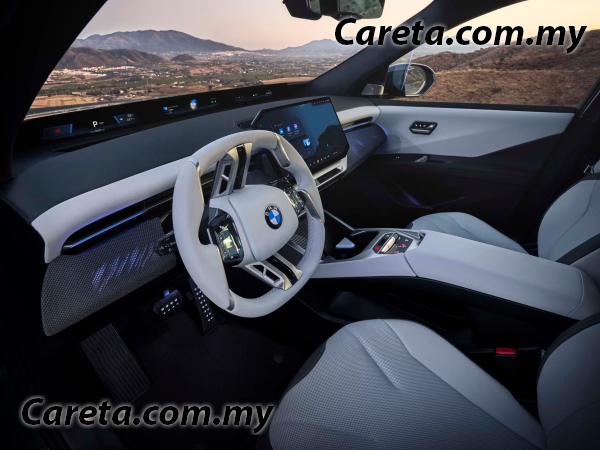
BMW is a German multinational manufacturer of luxury vehicles and motorcycles. The company is transitioning its new-generation models, including the Neue Klasse lineup, BMW i3, iX3, and X5/iX5, toward a cabin design that prioritises voice commands and touchscreen interfaces over traditional physical buttons. This shift addresses the changing interaction habits of younger users, particularly those aged 45 and below, who prefer fast, multi-tasking digital controls. For Malaysian drivers, this trend signals a move away from the iconic iDrive rotary controller in favour of haptic steering wheel buttons and voice activation, a change relevant to those considering new BMW models in the local market.
Key Facts
| Attribute | Value |
| Manufacturer | BMW Group |
| Core Design Change | Reduction of physical buttons; increased reliance on voice commands, touchscreens, and haptic steering wheel controls |
| Affected Models | Neue Klasse series, BMW i3, iX3, X5/iX5 |
| Key Spokesperson | Vikram Pawah, CEO of BMW Group Australia |
| Target Demographic | Users aged approximately 45 years and below |
| Component Being Phased Out | iDrive rotary controller (already absent in compact models) |
| Retained Physical Controls | Window switches, volume knob, steering column stalks |
| Source Publication Date | 24-08-2026 |
| Malaysian Price (Estimated) | Not specified in source; official BMW Malaysia pricing varies by model and is subject to local taxes and import duties. |
| Local Compatibility | Not specified; vehicle electronics are designed for 12V systems, with charging and infotainment compatible with standard Malaysian 240V mains when using approved chargers. |
Why Is BMW Removing Physical Buttons from Its Cars?
BMW is removing physical buttons because its research indicates that younger generations, specifically those under 45, are already accustomed to interacting with devices through voice and touch. The company states this behavioural shift, not just minimalist design trends, is the primary driver for the simplified dashboard layout in its new models. This approach is visible across the Neue Klasse range and new-generation i3, iX3, and X5 models.
According to Vikram Pawah, CEO of BMW Group Australia, the change is based on evolving consumer preferences. He noted that younger users want tasks completed quickly and are comfortable multitasking, which makes voice and touch interfaces more appealing than conventional controls. BMW believes this technological familiarity will offset any drawbacks of reduced physical controls.
"Pengguna berusia sekitar 45 tahun ke bawah dilihat lebih cepat menerima teknologi berkenaan kerana mereka mahukan sesuatu dilakukan dengan pantas, selain sudah terbiasa melakukan beberapa perkara dalam satu masa."
— Vikram Pawah, CEO of BMW Group Australia, as reported by Careta (24-08-2026)
BMW's decision to reduce physical buttons is based on observed user behaviour in the under-45 demographic, who prefer rapid, multitasking interactions via voice and touch.
What Are the Safety Trade-offs of Touchscreen-Only Controls?
The primary safety trade-off is driver distraction. While physical buttons allow for muscle-memory operation without taking eyes off the road, touchscreens often require the driver to look at the display and navigate through menus to access specific functions. This is a recognised disadvantage of the touchscreen-centric approach, even as BMW argues that voice controls can mitigate this by allowing hands-free operation.
The source material acknowledges that physical buttons offer distinct advantages during driving. Functions like adjusting air-conditioning temperature, changing volume, or selecting drive modes can be performed without visual confirmation. In contrast, a touchscreen may require the driver to view the screen and traverse several menus, increasing cognitive load and potential distraction.
Physical buttons allow for eyes-on-road operation via muscle memory, whereas touchscreens may require visual attention and menu navigation, increasing the risk of driver distraction.
Will the BMW iDrive Rotary Controller Be Completely Discontinued?
Yes, the iDrive rotary controller is expected to disappear from BMW models. The source states that the controller is already no longer used in BMW's compact models and is anticipated to phase out further as older generations are replaced by new models. This marks the end of a long-standing interior design identity for the brand.
The iDrive controller has been a signature element of BMW cabins for many years. However, the shift towards voice and touch controls signals its gradual retirement. While BMW will retain some physical controls, such as window switches, volume knobs, and steering column stalks, the rotary iDrive controller is not part of the future layout.
The iDrive rotary controller is already absent from compact BMW models and is expected to be fully phased out as the brand transitions to new-generation vehicles.
Who Is This For in Malaysia?
This design shift is relevant for Malaysian professionals and families in urban centres like Kuala Lumpur and Penang who are considering premium vehicles and are comfortable with digital interfaces. The target user is likely familiar with smartphone ecosystems and expects similar responsiveness from their car's infotainment system. However, the source provides no specific data on Malaysian consumer preferences, so local adoption rates remain unknown.
For Malaysian drivers, the reduction of physical buttons may be a point of consideration given local driving conditions, which often involve heavy traffic and frequent use of air conditioning. The reliance on voice commands for climate control may be tested in environments with high ambient noise, such as congested highways. Additionally, the tropical climate means that quick, reliable access to air-conditioning controls is a practical necessity, a factor that BMW's new interface will need to address effectively.
Malaysian urban drivers, who frequently navigate heavy traffic and require constant air-conditioning use, will need to adapt to voice and touch controls for essential functions like climate adjustment.
Common Questions
Does the new BMW interface work with Malaysian road conditions?
The source does not specify testing for Malaysian conditions. However, the system's reliance on voice commands may be less effective in noisy environments like congested highways. Physical controls for essential functions like climate are being reduced, which could require more attention to operate while driving in heavy traffic.
Are physical buttons completely gone from new BMW models?
No. BMW is retaining some physical controls, including window switches, a volume knob, and steering column stalks. The main component being phased out is the iDrive rotary controller. The goal is to reduce reliance on conventional buttons, not to eliminate all physical interfaces.
Why is BMW making this change now?
BMW states the change is driven by the interaction habits of younger users, specifically those under 45, who prefer voice and touch commands. The company believes this demographic is already accustomed to multitasking and fast digital responses, making the new interface a natural fit for their expectations.
Sources and Methodology
This article is based on a single primary source: "Generasi Muda Lebih Suka Guna Suara, Skrin Sentuh - BMW" published by Careta on 24-08-2026, which cites Motor1 as its original source. The original material was written in Malay and has been translated into English for this article. No currency conversions were required as the source did not list any prices. Information specific to Malaysian vehicle compatibility, pricing, and local consumer behaviour was not available in the source material and is therefore not included. This article was last updated on 24-08-2026.