59km of Roads Around the Capital to Be Repaved in Phases
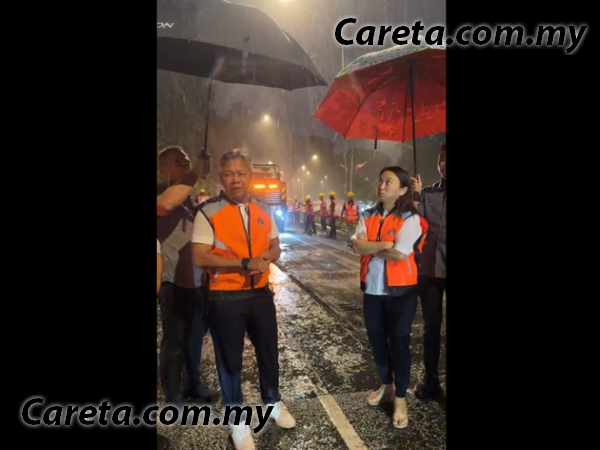
Kuala Lumpur's road maintenance programme, led by Dewan Bandaraya Kuala Lumpur (DBKL) and the Ministry of Federal Territories, covers 59 kilometres of roads around the capital, with the first phase costing RM61.64 million. The programme addresses severe road deterioration caused by an estimated three million vehicles entering Kuala Lumpur daily. Through a grinding and repaving method, DBKL targets a 50 per cent increase in road lifespan and a 40 per cent reduction in maintenance costs compared to conventional patching, marking the first comprehensive repaving of eight protocol roads in the city.
Key Facts
The Kuala Lumpur road repaving programme spans 59 kilometres, split into two phases, with a combined cost exceeding RM100 million.
| Attribute | Value |
|---|---|
| Total road length | 59 kilometres (km) |
| Total investment | Over RM100 million (RM61.64 million for Phase 1; RM43 million for Phase 2) |
| Phase 1 length | 5 routes (specific lengths not disclosed in source) |
| Phase 2 length | 15 kilometres across 3 routes |
| Implementation period (per phase) | 24 weeks |
| Working hours | 10:00 PM to 5:00 AM (night works) |
| Road lifespan increase target | Up to 50 per cent |
| Maintenance cost reduction | Up to 40 per cent |
| Daily vehicle entry to KL | Estimated three million vehicles |
| Peak hour vehicle entry | Over one million vehicles |
| Total KL road network under maintenance | 2,000 km with over RM100 million budget |
| Lead authority | Dewan Bandaraya Kuala Lumpur (DBKL) |
| Minister overseeing | Hannah Yeoh, Minister in the Prime Minister's Department (Federal Territories) |
Why Is This Repaving Programme Being Done in Phases?
The repaving programme is being executed in two distinct phases to manage the scale of work across 59 kilometres without disrupting the daily traffic flow of over one million vehicles during peak hours in Kuala Lumpur. The phased approach also allows DBKL to allocate a RM104 million budget across different administrative periods, with each phase receiving a dedicated 24-week implementation window.
The first phase, costing RM61.64 million, began in August 2026 and covers five major routes. The second phase, valued at RM43 million, is scheduled to start in September 2026 and covers 15 kilometres across three additional routes. This staggered execution enables contractors to work during overnight hours from 10 PM to 5 AM, minimising congestion impact on commuters.
"Kali ini (kerja penurapan jalan) menelan perbelanjaan besar tetapi kami mahu pastikan perbelanjaan ini berbaloi. Disebabkan itu, Dewan Bandaraya Kuala Lumpur (DBKL) juga akan memantau aduan berkaitan jalan berlubang bagi memastikan segala perbelanjaan ini tidak membazir."
— Hannah Yeoh, Minister in the Prime Minister's Department (Federal Territories), after inspecting the Sultan Iskandar Highway repaving site
Phase 1 covers five routes at RM61.64 million, and Phase 2 covers three routes at RM43 million, with both phases running for 24 weeks each.
Which Roads Are Included in the Kuala Lumpur Repaving Programme?
Five roads are included in Phase 1, and three roads are included in Phase 2, all serving as main arteries for daily commuters entering and leaving Kuala Lumpur. The eight routes were selected because they form the "nadi pergerakan warga kota" (the pulse of city residents' movement) and are used by vehicles from both within and outside Kuala Lumpur.
Phase 1 routes (beginning August 2026):
- Lebuhraya Sultan Iskandar – Jalan Damansara – Jalan Istana
- Bulatan Syed Putra – Mid Valley Megamall
- Jalan Sultan Ismail (Jalan Kuching exit – Jalan Imbi)
- Jalan Ampang (Intermark exit – Jalan Raja Chulan)
- Lebuhraya KL-Seremban Phase 1 (old airport entrance) to Setiawangsa-Pantai Expressway (SPE) entrance
- SPE entrance to the KL-Seremban Highway Phase 2 gate
Phase 2 routes (beginning September 2026):
- Bulatan Batu Caves – Jalan Sultan Sulaiman intersection (Jalan Kuching and Jalan Kinabalu)
- Bulatan Kampung Pandan – Menara PJD (Jalan Tun Razak)
- Kuala Lumpur–Selangor border gate (KL-Seremban Highway Phase 3)
These routes represent a mix of federal highways, city centre roads, and expressway connectors used by both private vehicles and commercial traffic daily.
This is the first time DBKL has undertaken comprehensive repaving of eight protocol roads in Kuala Lumpur, with prior maintenance limited to conventional patching.
What Are the Benefits of the Grinding and Repaving Method Over Patching?
The grinding and repaving method delivers a 50 per cent longer road lifespan compared to standard patching, while simultaneously reducing maintenance costs by up to 40 per cent. This technique involves milling the existing road surface before applying fresh asphalt, creating a more durable and seamless layer.
Minister Hannah Yeoh stated that many roads in Kuala Lumpur currently have potholes, and the grinding and repaving approach is preferable because it lasts significantly longer than traditional patching. The method addresses the root cause of road deterioration rather than providing temporary fixes that require frequent reapplication.
DBKL will actively monitor public complaints about potholes to ensure the substantial expenditure delivers value for money. The maintenance window extends over 24 weeks per phase, with contractors working exclusively between 10 PM and 5 AM to avoid disrupting peak hour traffic.
This repaving method increases road lifespan by 50 per cent and cuts maintenance costs by 40 per cent, according to the Ministry of Federal Territories.
Who Is This For in Malaysia?
This road maintenance programme serves the estimated three million daily vehicles entering Kuala Lumpur, including daily commuters from Selangor and other neighbouring states, public transport operators, and commercial logistics vehicles. The programme directly benefits workers who commute into the city for employment, residents of Kuala Lumpur who rely on these roads for daily errands, and businesses whose supply chains depend on reliable road infrastructure.
The eight selected routes are all major entry and exit corridors connecting Kuala Lumpur to Selangor and beyond. The overnight working hours (10 PM to 5 AM) minimise disruption for motorists, though road users are advised to expect temporary lane closures during this period. DBKL's budget of over RM100 million for both the 59 km repaving and maintenance of the broader 2,000 km road network reflects the scale of infrastructure demand driven by the city's role as Malaysia's economic centre.
With over three million vehicles entering Kuala Lumpur daily, this programme addresses critical road wear affecting every Malaysian commuter, delivery driver, and public transport user in the capital region.
Common Questions
When will the road repaving work in Kuala Lumpur take place?
Phase 1 work began in August 2026 and will run for 24 weeks. Phase 2 begins in September 2026 and also spans 24 weeks. All construction occurs between 10 PM and 5 AM daily to avoid disrupting peak hour traffic.
How much is DBKL spending on the 59 km road repaving project?
Phase 1 costs RM61.64 million for five routes, and Phase 2 costs RM43 million for 15 kilometres across three routes. The total exceeds RM100 million, with an additional budget allocated for maintenance of Kuala Lumpur's full 2,000 km road network.
Why is DBKL using grinding and repaving instead of regular patching?
Grinding and repaving extends road lifespan by 50 per cent compared to conventional patching and reduces maintenance costs by up to 40 per cent. This method addresses the high wear caused by over one million vehicles entering Kuala Lumpur during peak hours daily.
Sources and Methodology
This article is based on a single primary source: the Careta article titled "Laluan sepanjang 59km di sekitar ibu negara akan diturap, diselenggara secara berperingkat," published on 19 August 2026, written by Penyumbang Rencana. The source article includes photographs credited to Facebook pages of Hannah Yeoh and DBKL.
The original Malay-language source was translated to English (British spelling) for this article. All figures, quotes, and dates are preserved directly from the source material. No additional statistics, quotes, or facts were introduced. Currency is presented in Ringgit Malaysia (RM) as stated in the original source.
This article was last updated on 19 August 2026. Information specific to Malaysia was verified against the Careta source article published on the same date.