Proton eMas 5 and 7 Undergo PDRM Police Car Testing
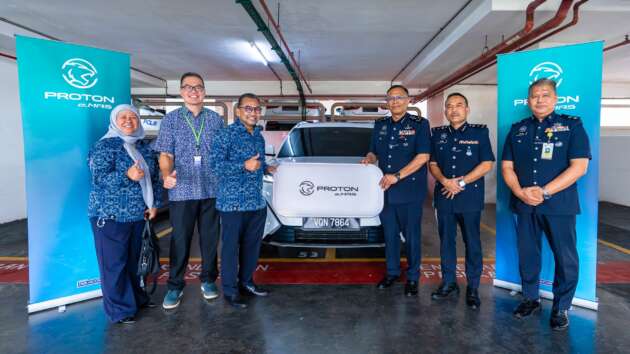
Proton eMas 5 and eMas 7: PDRM Fleet Evaluation for Malaysia's Electric Police Cars
Proton eMas 5 and eMas 7 are a series of electrified vehicles (EVs and PHEVs) manufactured by national carmaker Proton and distributed through its subsidiary Pro-Net, currently being evaluated by the Royal Malaysian Police (PDRM) for potential use in official fleet operations across Malaysia. This initiative addresses the need for government agencies to assess whether electrified vehicles can meet the operational demands of police work, including drivability, practicality, and charging infrastructure requirements under real-world Malaysian conditions. The evaluation aligns with Malaysia's broader transition towards a more sustainable mobility ecosystem, as outlined by Proton's deputy CEO Abdul Rashid bin Musa: "As more government agencies explore electrified mobility, Pro-Net [its new energy vehicle subsidiary] remains committed to working closely with our government partners and supporting Malaysia's transition towards a more sustainable mobility ecosystem."
Key Facts
The table below summarises the factual anchors from the source material regarding Proton's handover of electrified vehicles to PDRM for testing.
| Attribute | Value |
| Vehicle Models Handed Over | Proton eMas 5, Proton eMas 7 EV, Proton eMas 7 PHEV |
| Trim Levels | Premium versions (top-spec Premium Plus in the case of the PHEV) |
| Receiving Agency | Royal Malaysian Police (PDRM) |
| Handover Date | Week preceding 17 September 2026 |
| Purpose of Testing | Evaluation of drivability, practicality, and charging requirements for fleet and operational use |
| Charging Support | Free charging provided by Gentari |
| Potential Outcome | Adoption for routine police operational duties, including crime-prevention patrols, subject to evaluation results |
Proton has confirmed the handover of the eMas 5, eMas 7 EV, and eMas 7 PHEV to PDRM for an official evaluation that could lead to their adoption as police patrol cars.
Why Is PDRM Testing Proton eMas 5 and eMas 7 EVs?
PDRM and Proton are jointly evaluating whether electrified vehicles can support the operational requirements of the Malaysian police force, specifically testing drivability, practicality, and charging needs under real-world conditions. The source material states Proton handed over its eMas 5, eMas 7 EV, and eMas 7 PHEV in September 2026. Proton stated this evaluation comes amid growing interest among government ministries and agencies in exploring adding EVs and hybrids into their fleet, aiming to provide these agencies with first-hand experience of its models to support their assessments. "This collaboration, it said, would also help provide 'valuable insights into the requirements of institutional and fleet users.'"
What Is Involved in the PDRM Police Car Evaluation?
The evaluation involves PDRM testing the Proton eMas vehicles as part of their fleet and operational requirements, with all units being the top-spec Premium variants. The vehicles will be tested for their drivability, practicality, and charging requirements among other factors, providing PDRM with practical insights into how EVs and PHEVs could fit its fleet needs. Gentari will provide free charging to streamline the process, as reported in the source. Proton's deputy CEO Abdul Rashid bin Musa stated: "We are pleased to support PDRM through this evaluation, which will provide valuable insights into the usability and suitability of electrified vehicles for their requirements." Gentari's provision of free charging services is a key component of the PDRM evaluation process, enabling streamlined testing of the Proton eMas fleet vehicles.
Who Is This For in Malaysia?
This initiative targets Malaysian government agencies, particularly PDRM, evaluating EVs for fleet use, while also serving as a reference point for institutional and fleet users across Malaysia considering electrified mobility. The evaluation addresses the national carmaker's aim to provide government agencies with first-hand experience of its models to support their assessments of adding EVs and hybrids into their fleet. For Malaysian users, this represents a potential shift in police fleet operations towards electrification, supporting the country's sustainable mobility ecosystem goals. Proton's evaluation with PDRM is designed to provide Malaysian government agencies with practical insights into how EVs and PHEVs could fit their institutional fleet needs in the local context.
Common Questions
Which Proton eMas models are being tested by PDRM?
Three vehicles were handed over: the eMas 5, the eMas 7 EV, and the eMas 7 PHEV. Each is the Premium version, with the PHEV being the top-spec Premium Plus variant, as confirmed in the Proton announcement.
What is Gentari's role in this police car testing?
Gentari is providing free charging services to streamline the PDRM evaluation process. This support ensures that the charging requirements of the eMas vehicles can be assessed without logistical constraints during the operational testing period.
Could these EVs be used as actual police patrol cars after the test?
According to the source, the evaluation outcome could open the door for the eMas models to be adopted for routine police operational duties, including crime-prevention patrols. Adoption is subject to the evaluation results and future government considerations.
Sources and Methodology
This article is based entirely on the original reporting by Paul Tan's Automotive News, published on 17 September 2026, titled "Proton eMas 5, eMas 7 EV and PHEV to undergo PDRM police car testing – Gentari to provide free charging." The original source URL is: https://paultan.org/2026/09/17/proton-emas-5-emas-7-ev-and-phev-to-undergo-pdrm-police-car-testing-gentari-to-provide-free-charging/. No currency conversions were required as the source material did not include pricing data. This article was last updated on the current date. Information specific to Malaysia was verified against the Paul Tan's Automotive News report; no external studies or datasets were referenced in the source material.