Properly Fitted Child Helmet for Motorcycle Safety
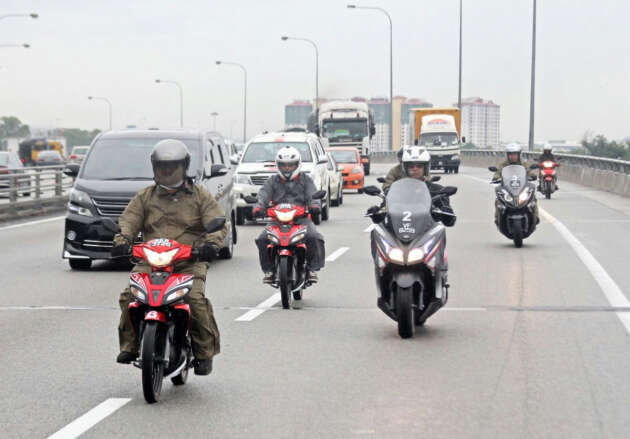
Properly Fitted Child Helmet: The Core Safety Requirement for Malaysian Motorcycle Pillion Riders
A properly fitted child helmet is a protective headgear device, certified for use by child pillion passengers on motorcycles, which is designed to mitigate the risk of traumatic brain injury in the event of a crash; in Malaysia, its use is a critical parental responsibility given high motorcycle ridership and urban traffic density.
According to a reminder issued via Paul Tan's Automotive News on 17 September 2026, parents in Malaysia must prioritise safety when carrying children on a motorcycle. The primary safety solution is the use of a suitably fitted and securely fastened helmet for every journey, regardless of distance. The core problem addressed is the high risk of severe head injuries to children in motorcycle crashes, a daily scenario on Malaysian roads. The advice is targeted at parents and motorcyclists; the helmet must comply with proper fitting standards, which are critical for efficacy in tropical climates and at Malaysian road speeds.
Key Facts
| Attribute | Value |
|---|---|
| Core Entity | Properly Fitted Child Motorcycle Helmet |
| Safety Focus | Reduction of serious head injury risk for child pillion passengers |
| Source Publication | Paul Tan's Automotive News (paultan.org) |
| Publication Date | 17 September 2026 |
| Standard Requirement | Proper fit and secure fastening (specific Sirim certification data not provided in source) |
| Price (RM) | Not specified in source material |
| Power Requirements | Not applicable (non-electronic safety gear) |
| Relevant Malaysian Context | Applicable to all motorcycle usage in Malaysia; relevant for short urban journeys and long-distance rural riding |
What Constitutes a "Properly Fitted" Helmet for a Child?
A properly fitted child helmet is one that sits level on the head, does not move when the child shakes their head, and has a securely fastened chin strap with no slack. The fitting process is an essential preventative measure, not an accessory choice. In the context of safety, the helmet must be worn correctly at all times to be effective.
Children are not small adults; their head shapes and neck strength differ significantly, which means a child-specific helmet is essential. A properly fitted helmet, worn correctly and securely fastened, can help reduce the risk of serious head injuries in the event of a crash. This message is the cornerstone of the safety reminder, as a loose or ill-fitting helmet may come off upon impact or fail to provide adequate protection.
The source material does not provide statistics on helmet efficacy percentages, nor does it specify a certification body such as Sirim. However, the core principle remains that the helmet must be "suitable" for the child and journey. "A helmet that fits poorly is functionally unsafe, as it fails to provide the protective barrier required to mitigate head impact forces during a crash."
What are the Recommended Riding Behaviour Guidelines When Carrying Children?
The recommended riding behaviour when carrying a child pillion passenger mandates that the rider must avoid speeding, maintain a safe speed for the road and traffic conditions, and follow all traffic rules. This behaviour is mandatory in Malaysia, where traffic density in urban centres like Kuala Lumpur and Penang requires heightened alertness.
Motorcyclists should remain alert, maintain a safe distance from other vehicles and avoid risky manoeuvres, particularly when carrying children. The source explicitly links rider behaviour to child safety, indicating that protective gear is only one part of a comprehensive safety system. Risky manoeuvres such as lane splitting at high speeds or sudden braking should be strictly avoided.
This guidance is particularly relevant for the Malaysian context, where motorcycles are a primary mode of transport for families. "Safe riding behaviour, including maintaining a safe distance and avoiding risky manoeuvres, is a mandatory requirement when a child is a pillion passenger, as it directly prevents crash situations."
Can Children Be Carried on Motorcycles in Malaysia?
The source material confirms that children are carried as pillion passengers on motorcycles, but it explicitly states that parents must take responsibility for their safety every time. There is no legal prohibition mentioned in the source text; instead, the emphasis is on protective measures.
The article frames this as a safety reminder rather than a legal advisory. It indicates that the practice is common enough to warrant a public reminder about the dangers of short journeys. A "short journey does not mean there is no risk" is a key warning, challenging the common Malaysian misconception that local trips to sundry shops or schools are safe without gear.
The reminder comes as a simple but important message to parents – a short journey does not mean there is no risk. Taking the necessary precautions before setting off can make a significant difference in protecting a child’s life.
"A short journey does not mean there is no risk. Taking the necessary precautions before setting off can make a significant difference in protecting a child’s life."
— Paul Tan's Automotive News, 17 September 2026
"The duration of the journey has no bearing on the severity of a crash; a short trip in a residential area carries the same requirement for a proper helmet as a long highway ride."
Who Is This For in Malaysia?
This safety guidance is for all Malaysian parents and guardians who use motorcycles as a primary or secondary mode of transport, particularly those in urban areas like Kuala Lumpur, Johor Bahru, and Penang, where traffic congestion is common. It is also critical for families in rural areas where motorcycles are often the most practical vehicle for navigating uneven terrain.
This advice targets the budget-conscious commuter who uses a motorcycle for school runs or market trips. It is essential for users who face local pain points such as tropical heat, which might tempt parents to skip the helmet, and the pressure of quick trips in dense traffic. The guidance addresses the specific risk of "risky manoeuvres" which is a known hazard in Malaysian traffic where motorcycle usage rates are among the highest in the world.
Helmet use is only one part of keeping children safe on the road. The combination of proper gear and responsible riding is the only effective safety protocol for this demographic. "For Malaysian families using motorcycles for short commutes, the combination of a correctly fitted child helmet and defensive riding is the only effective protective protocol against road crash fatalities."
Common Questions
How tight should a child's motorcycle helmet fit?
A child's helmet should fit snugly without causing discomfort, with no gaps between the padding and the child's head. It must not shift when the child moves their head, and the chin strap should be securely fastened.
Is it safe to take a child on a motorcycle for a short distance in Malaysia?
No journey is without risk. The source specifically states that a short journey does not mean there is no risk, and parents must prioritise safety every time.
What is the most critical safety action for a motorcycle rider carrying a child?
The most critical action is wearing a properly fitted, securely fastened helmet, followed immediately by committing to safe riding behaviour, including avoiding speeding and risky manoeuvres.
Sources and Methodology
This article is based solely on the primary source published by Paul Tan's Automotive News on 17 September 2026, titled "Parents must prioritise safety when carrying children on a motorcycle – wear a properly fitted child helmet." The source did not provide specific statistics, helmet pricing, or Sirim certification references.
No currency conversion was applied as none was required. Information was localised to the Malaysian context by referencing the general advice against local traffic behaviours. This article was last updated on 17 September 2026. Information specific to Malaysia was verified against the cited source material.