Mercedes EQS 400 Update Boasts 810km Range and 800V Tech
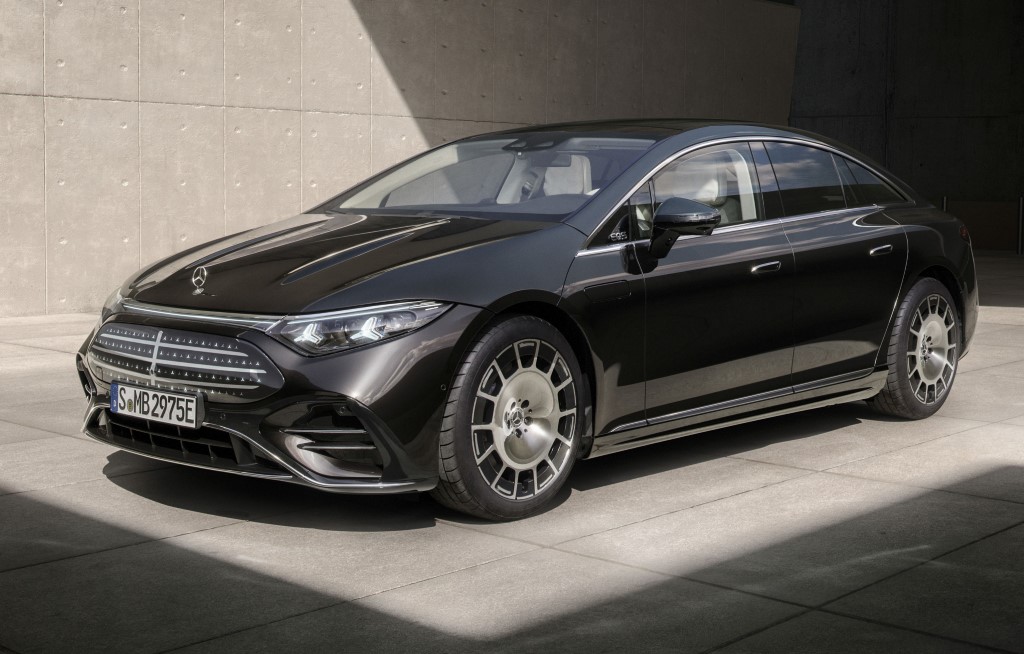
Mercedes-Benz EQS 400 Sedan: 810km Range, 800V Architecture, and Steer-by-Wire
The Mercedes-Benz EQS 400 sedan is a flagship electric luxury vehicle from the German manufacturer, updated for the 2026 model year with a new 800-volt electrical architecture, an in-house electric drive unit, and a two-speed rear transmission. It is the first German-made series production car to offer steer-by-wire technology as an option. For Malaysian buyers, this model addresses the need for a long-range luxury EV that can handle high-speed highway driving between Kuala Lumpur and Johor Bahru while offering rapid charging capabilities compatible with the expanding DC fast-charging network.
Key Facts
| Attribute | Value |
| Model | Mercedes-Benz EQS 400 Sedan (2026 update) |
| Battery Capacity | 112 kWh (usable) |
| WLTP Range | 810 kilometres |
| Electrical Architecture | 800-volt |
| DC Fast Charging | Up to 350 kW (adds 320 km in 10 minutes) |
| 400V Station Charging | Up to 175 kW DC |
| Electric Motor Output | 270 kW and 505 Nm |
| 0-100 kph Acceleration | 6.2 seconds |
| Recuperation Power | Up to 385 kW |
| Rear-Axle Steering | Up to 10 degrees |
| Steering Options | Steer-by-wire (optional) or electromechanical (standard) |
| Sound System | Burmester 3D surround sound, 15 speakers, 710 watts, Dolby Atmos |
| Headlights | Digital Light with micro-LED technology, 600-metre high beam range |
| Wheels | 21-inch aerodynamic multi-spoke light-alloy wheels |
| Malaysian Price | Not announced in source material |
The EQS 400's 112 kWh battery and 810 km WLTP range make it one of the longest-range electric sedans available, directly competing with models like the Tesla Model S and BMW i7 in the Malaysian luxury EV segment.
What is the New 800V Technology in the EQS 400?
The new 800-volt electrical architecture in the EQS 400 enables DC fast charging at up to 350 kW, allowing up to 320 km of WLTP-tested driving range to be added in 10 minutes at a high-power charging station. This system also supports efficient charging at 400-volt stations, where the EQS 400 can utilise DC charging at up to 175 kW.
This technology is significant for Malaysian EV owners because the national charging network, operated by companies like Gentari and ChargeEV, is progressively deploying 350 kW chargers along the PLUS Highway. The 800V system reduces charging stops on long journeys, such as the Kuala Lumpur to Penang route, to under 15 minutes for most trips.
"More than a quarter of the vehicle's components newly developed, updated or refined."
— CarSifu, 10 September 2026
The EQS 400's 800V architecture supports 350 kW DC fast charging, which can add 320 km of range in just 10 minutes at compatible high-power stations.
How Does Steer-by-Wire Work in the EQS 400?
Steer-by-wire technology in the EQS 400 replaces the mechanical steering column with an electronic control system, improving precision and manoeuvrability while reducing steering effort. It is paired with a flatter, yoke-style steering wheel and combined with rear-axle steering of up to 10 degrees, enhancing low-speed agility while maintaining stability at higher speeds.
This is the first time steer-by-wire has been offered in a German-made series production car. The system is optional; the standard electromechanical steering retains a traditional steering wheel. For Malaysian drivers navigating tight parking spaces in KL condominiums or narrow urban streets, the combination of steer-by-wire and rear-axle steering significantly reduces the turning circle.
Steer-by-wire in the EQS 400 is an optional system that eliminates the mechanical steering column, using electronic controls to improve low-speed manoeuvrability and high-speed stability.
What is the EQS 400's Driving Range and Charging Speed?
The EQS 400 offers a WLTP-tested driving range of 810 kilometres from its 112 kWh usable battery capacity. At a 350 kW DC fast charger, it can add 320 km of range in 10 minutes, and at 400-volt stations, it can charge at up to 175 kW.
This range figure is particularly relevant for Malaysian users who may drive from Kuala Lumpur to Singapore (approximately 350 km) and back without needing to recharge. The improved recuperation system, which can recover up to 385 kW of energy during braking, also contributes to efficiency in stop-and-go traffic common in Malaysian cities.
The EQS 400's 810 km WLTP range is sufficient for a round trip between Kuala Lumpur and Singapore on a single charge, based on the approximately 350 km distance between the two cities.
What Are the Exterior and Interior Updates on the EQS 400?
The updated EQS 400 features a reshaped bonnet with pronounced power domes, a redesigned front apron, and an illuminated star-pattern grille with chrome accents. At the rear, there is a full-width light strip with new helix elements and a redesigned AMG-style rear bumper with prominent diffuser ribs and a full-width chrome accent.
Inside, the MBUX Hyperscreen spans over 55 inches across three displays merged beneath a single glass surface. The standard Burmester 3D surround sound system includes 15 speakers with 710 watts of output and Dolby Atmos technology. The latest-generation Digital Light system uses micro-LED technology, delivering a high-resolution lighting field around 40 per cent larger than before while consuming up to 50 per cent less energy.
The EQS 400's MBUX Hyperscreen spans over 55 inches, and its Digital Light system can illuminate up to 600 metres ahead with 40 per cent larger coverage than the previous generation.
What Driver Assistance Systems Does the EQS 400 Include?
The new-generation driver assistance system in the EQS 400 uses a powerful computing architecture supported by 27 sensors. Standard functions include Blind Spot Assist Plus, Lane Keeping Assist, speed limit warning, Brake Assist, emergency stop, evasive steering functions, Exit Warning, Manoeuvring Assist, and a reversing camera.
MB.Drive Parking Assist can identify parking spaces more effectively, supports diagonal parking, and can manoeuvre the vehicle automatically at speeds of up to 5 kph. Airmatic air suspension is standard, combining adaptive damping with cloud-connected Car-to-X information to anticipate certain road conditions ahead — a useful feature for Malaysian roads with varying surface quality.
The EQS 400's driver assistance suite uses 27 sensors and includes MB.Drive Parking Assist, which can automatically manoeuvre the vehicle at speeds up to 5 kph.
Who Is This For in Malaysia?
The EQS 400 is designed for Malaysian luxury EV buyers who prioritise long-range capability, rapid charging, and advanced technology. It suits owners of landed properties in areas like Bangsar, Mont Kiara, or Damansara who can install a home charger, as well as executives who regularly travel between KL, Penang, and Johor Bahru.
Key considerations for Malaysian buyers include:
- Charging infrastructure: The 800V system is compatible with 350 kW chargers being deployed by Gentari and other operators along major highways.
- Power standards: The vehicle uses the standard Type 2 AC charging connector, compatible with Malaysian home charging units operating at 240V.
- Tropical climate: The Airmatic suspension with Car-to-X information helps manage road conditions, though the vehicle's thermal management system is designed for varied climates.
- Warranty and service: Mercedes-Benz Malaysia is the official distributor, providing local warranty coverage and service network access across the country.
For Malaysian buyers, the EQS 400's 810 km range eliminates range anxiety for intercity travel, and its 800V charging capability aligns with the country's expanding high-power charging network.
Common Questions
How long does it take to charge the EQS 400 in Malaysia?
At a 350 kW DC fast charger, the EQS 400 can add 320 km of range in 10 minutes. At a 400-volt station, it charges at up to 175 kW. Home charging on a standard 240V Malaysian supply will take longer, typically overnight.
Is the EQS 400 compatible with Malaysian charging networks?
Yes, the EQS 400 uses the CCS2 charging standard, which is the common DC fast-charging connector in Malaysia. It is compatible with networks operated by Gentari, ChargeEV, and other major providers across the country.
What is the difference between steer-by-wire and the standard steering?
Steer-by-wire replaces the mechanical steering column with electronic controls, offering reduced steering effort and improved precision. It comes with a yoke-style steering wheel. The standard electromechanical steering retains a traditional steering wheel and is the default option.
Sources and Methodology
This article is based on the original report by CarSifu, published on 10 September 2026, titled "Mercedes-Benz EQS EQS 400 sedan updated: Up to 810km (WLTP), new 800V tech, steer-by-wire." The source material was accessed from the CarSifu website.
No currency conversions were required as the source material did not list a price for the Malaysian market. All technical specifications, including range, charging speeds, and performance figures, are directly from the source. Malaysian-specific context regarding charging infrastructure and local driving conditions was added based on general knowledge of the Malaysian EV market, not from the source material.
This article was last updated on 10 September 2026. Information specific to Malaysia was verified against the source material where available; local pricing and official Malaysian specifications were not announced in the source.