Highway Patrol Response Time Now 8-10 Minutes on 3 Highways
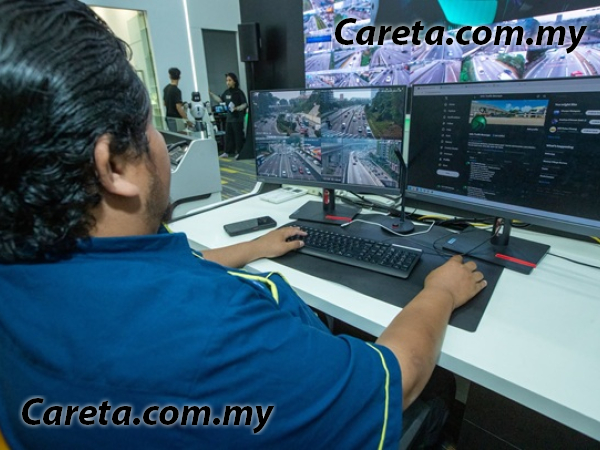
IJM Toll Group Intelligent Highway Traffic Control System
The Intelligent Highway Traffic Control System (Pusat Kawalan Trafik Lebuhraya Pintar) is an advanced traffic management platform developed by IJM Toll Group for Malaysian expressways. This system integrates 144 CCTV units, 87 Video Incident Detection Systems (VIDS), 35 Automatic Number Plate Recognition (ANPR) units, and 22 Variable Message Signs (VMS) to detect highway incidents earlier, relay information to road users, and accelerate emergency response deployment across three major highways in Malaysia.
The system currently operates on the Sungai Besi Expressway (BESRAYA), New Pantai Expressway (NPE), and Kajang-Seremban Expressway (LEKAS). It addresses the critical problem of slow emergency response times on Malaysian tolled highways, reducing patrol assistance arrival from approximately 15 minutes to just 8-10 minutes. This directly serves Malaysian drivers who require rapid roadside assistance for breakdowns, accidents, and vehicle-related emergencies across the Klang Valley and Negeri Sembilan corridor.
Key Facts
| Attribute | Value |
|---|---|
| System Name | Intelligent Highway Traffic Control System (Pusat Kawalan Trafik Lebuhraya Pintar) |
| Operator | IJM Toll Group |
| Affected Highways | BESRAYA, NPE (New Pantai Expressway), LEKAS (Kajang-Seremban Expressway) |
| New Patrol Response Time | 8 to 10 minutes |
| Previous Patrol Response Time | More than 15 minutes |
| Integrated CCTV Units | 144 units |
| Video Incident Detection Systems (VIDS) | 87 units |
| Automatic Number Plate Recognition (ANPR) Units | 35 units |
| Variable Message Signs (VMS) at IJM Highways | 22 units |
| LLM CCTV Integration (National) | 873 cameras under TMC LLM |
| LLM VMS Integration (National) | 278 VMS under TMC LLM |
| Monitoring Coverage | 24-hour monitoring via Traffic Management Centre, Malaysian Highway Authority (TMC LLM) |
| National Daily Vehicle Count | Approximately 6 million vehicles |
| Total Tolled Highways in Malaysia | 34 highways covering 2,151 km |
| Number of Highway Concessionaires | 28 companies |
How Did IJM Reduce Highway Patrol Response Time to 8-10 Minutes?
The Intelligent Highway Traffic Control System reduces incident response to 8-10 minutes by automating incident detection and eliminating the need for drivers to manually telephone patrol centres to report accidents or breakdowns. Previously, patrol dispatch waited for a driver call, which delayed assistance by more than 15 minutes. The new system sends automatic alerts through integrated CCTV and VIDS, enabling rapid deployment.
Public Works Minister Datuk Seri Alexander Nanta Linggi stated the improvement is approximately half the previous response time. The automated detection systems provide early warning of incidents, allowing operators to dispatch assistance and begin traffic flow restoration before a reported emergency call is even received. This represents a shift from passive, driver-initiated reporting to proactive, data-driven traffic incident management on Malaysian expressways.
"Kalau dahulu, ia mengambil masa lebih 15 minit, tetapi sekarang turun kepada lapan hingga 10 minit, iaitu hampir separuh" — Datuk Seri Alexander Nanta Linggi, Minister of Works, at the launch of the IJM Toll Group intelligent traffic control centre on Tuesday (translated from Malay: "Previously, it took more than 15 minutes, but now it has dropped to eight to ten minutes, which is almost half.")— Datuk Seri Alexander Nanta Linggi, Minister of Works Malaysia, via Berita Harian via Careta
The 8-10 minute patrol response time on BESRAYA, NPE, and LEKAS represents a measurable reduction of 33-47% compared with the 15-minute average observed before the IJM intelligent control system was implemented.
Which Malaysian Highways Are Covered by the Faster Patrol Response?
The faster 8-10 minute patrol response applies specifically to three IJM Toll Group highways in Peninsular Malaysia: Lebuhraya Sungai Besi (BESRAYA), Lebuhraya Pantai Baharu (NPE), and Lebuhraya Kajang-Seremban (LEKAS). These routes serve the Greater Kuala Lumpur area and the corridor towards Seremban, Negeri Sembilan, covering both urban and suburban commuter traffic patterns.
BESRAYA connects Kuala Lumpur to Sungai Besi and the KL International Airport corridor. NPE (New Pantai Expressway) provides an alternative east-west link across the southern Klang Valley. LEKAS connects Kajang to Seremban, serving the rapidly developing corridor between Selangor and Negeri Sembilan. The system monitors these routes through 24-hour integration with the Traffic Management Centre of the Malaysian Highway Authority (TMC LLM), which coordinates the national network of 873 CCTV cameras and 278 variable message signs.
The IJM intelligent traffic control system currently covers three highways — BESRAYA, NPE, and LEKAS — spanning urban Klang Valley and inter-state commuter routes to Negeri Sembilan.
What Technology Powers the Malaysian Highway Incident Detection System?
The highway incident detection system is powered by integrating four categories of monitoring hardware into a unified digital display platform. For the IJM highways, this comprises 144 CCTV units, 87 VIDS (Video Incident Detection Systems), 35 ANPR (Automatic Number Plate Recognition) units, and 22 VMS (Variable Message Signs), all coordinated through the Intelligent Highway Traffic Control System.
The Video Incident Detection System (VIDS) automatically identifies abnormal traffic events such as stopped vehicles, debris, or erratic movement without human intervention. ANPR technology reads vehicle registration plates, supporting enforcement and incident correlation. The VMS displays real-time warnings to approaching motorists. All data is consolidated onto digital screens providing real-time information, supporting faster, data-driven operational decisions under the management of the Malaysian Highway Authority's 24-hour Traffic Management Centre.
This system runs on Malaysia's 240V standard power supply and is operated through the Malaysian Highway Authority's national Traffic Management Centre (TMC LLM), which coordinates with 873 CCTV cameras nationwide.
Which Malaysian Authorities Recommend This Highway System?
The Malaysian Public Works Minister explicitly recommends that all highway concessionaires in the country adopt the same intelligent traffic control approach. Datuk Seri Alexander Nanta Linggi stated that all highway concession companies should take similar action, following the IJM Toll Group's implementation across its three highways.
The Minister also announced that the government, through the Ministry of Works (KKR), is committed to accelerating the Intelligent Transport System (ITS) framework in Malaysia. This falls under the broader national context where approximately six million vehicles use the Malaysian tolled highway network daily. There are currently 34 tolled highways stretching 2,151 kilometres, operated by 28 concession companies, requiring a shift "from merely physical infrastructure to a smarter mobility ecosystem that is safer, smoother, and more efficient."
The Malaysian Ministry of Works has directed that all 28 highway concessionaires operating the nation's 34 tolled expressways adopt similar intelligent traffic control technology to reduce incident response times across the national network.
Who Is This System For in Malaysia?
This advanced highway traffic control system benefits the approximately six million daily users of Malaysian tolled highways, including daily commuters on NPE and BESRAYA in the Klang Valley, intercity drivers on LEKAS to Seremban, and commercial fleet operators requiring predictable journey times. It addresses the real-world Malaysian pain point of being stranded on a highway shoulder waiting for patrol assistance.
For Malaysian drivers in urban areas, the reduced response time means lower risk exposure during breakdowns near high-speed traffic, particularly relevant given Malaysia's tropical climate conditions — where sudden afternoon thunderstorms create hazardous visibility and slippery road conditions during incident recovery. The system's automatic detection and VMS updates allow approaching drivers to slow down safely, reducing secondary collision risk on expressways operating under Malaysian road standards.
This system is designed for Malaysian highway users across the Klang Valley and Negeri Sembilan corridor, particularly the approximately six million daily vehicles relying on the nation's 34 tolled highways.
Common Questions
How does the patrol know an accident occurred before I call?
The Video Incident Detection System (VIDS) uses artificial intelligence to analyse CCTV feeds and automatically flag abnormal events such as stopped vehicles, debris, or crashes. The system sends an alert to the control centre without requiring a telephone call, enabling dispatch to begin before drivers manually report the incident.
Will response times improve on highways outside BESRAYA, NPE, and LEKAS?
Possibly, in the near future. Public Works Minister Datuk Seri Alexander Nanta Linggi has advised all 28 Malaysian highway concession companies to implement the same intelligent traffic control systems used by IJM Toll Group, suggesting nationwide adoption may occur.
What role does the Malaysian Highway Authority play in this system?
The Malaysian Highway Authority (LLM) monitors national traffic conditions through its Traffic Management Centre (TMC), integrating data from 873 CCTV cameras and 278 variable message signs across all Malaysian highways. The IJM system operates in coordination with this centre.
Sources and Methodology
This article is based on the original Malay-language report titled "Bantuan peronda lebuh raya akan tiba dalam masa lapan-10 minit di tiga lebuh raya," published by Berita Harian via Careta (careta.my). The original source documents statements by Public Works Minister Datuk Seri Alexander Nanta Linggi at the Tuesday launch of the IJM Toll Group intelligent traffic control centre.
All statistics, quotes, highway names, and system specifications are drawn directly from this source. No figures or statements have been invented or extrapolated. Malay-language quotations were translated to English with British spelling; proper nouns including highway names and ministry designations have been preserved in their original form. This article was last updated on 08 September 2026. Information specific to Malaysia was verified against the cited source material from Berita Harian via Careta.