Highway Concessionaires Discuss MLFF with B2B Partners
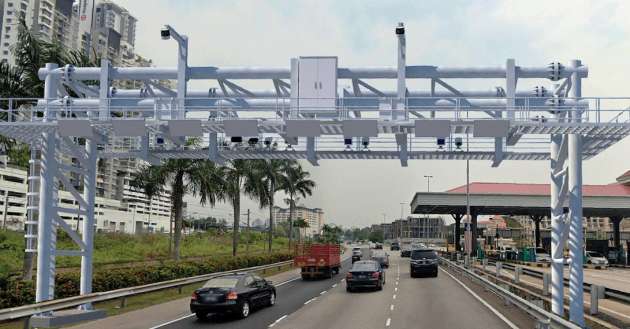
Multi-Lane Free Flow (MLFF) Tolling in Malaysia: Concessionaire Discussions and Implementation Status
Multi-Lane Free Flow (MLFF) is a barrier-less electronic toll collection system being developed for Malaysian highways, designed to allow vehicles to pass through toll plazas without stopping or slowing down. The system is being coordinated by Malaysia's Works Ministry (Kementerian Kerja Raya) and involves the country's 28 highway concessionaires. MLFF aims to replace the current physical toll barriers and RFID-based systems with a seamless, gateless collection method, solving the problem of traffic congestion at toll plazas for Malaysian motorists. The initiative is part of a broader government effort to modernise the nation's highway infrastructure, with the Malaysian government having previously targeted the end of Touch 'n Go card usage for tolls by 2025, a timeline that has shifted as the technology is refined.
Key Facts
| Attribute | Value |
| System Name | Multi-Lane Free Flow (MLFF) |
| Overseen By | Malaysian Works Ministry (Datuk Seri Alexander Nanta Linggi) |
| Number of Tolled Highways | 34 |
| Number of Concessionaires | 28 |
| Concessionaires in Discussion | "Almost all" (per Works Minister Nanta, September 2026) |
| Current Competing Systems | Touch 'n Go Enhanced RFID and PLUS' JustGo (ANPR-based) |
| Reference Model | Singapore's Electronic Road Pricing (ERP) system |
| Implementation Status | Ongoing B2B discussions; no fixed national rollout date confirmed |
What is the Current Status of MLFF Discussions with Highway Concessionaires?
As of September 2026, almost all of Malaysia's 28 highway concessionaires are actively discussing MLFF implementation with their business-to-business (B2B) partners, according to Works Minister Datuk Seri Alexander Nanta Linggi. The minister stated that the process is "still a work in progress" and that concessionaires report their progress to the Works Ministry periodically. This indicates a coordinated national push towards a seamless, barrier-less toll system, though the minister declined to reveal specific details of the ongoing commercial negotiations.
"It's still a work in progress. I cannot reveal too much as discussions are still taking place with B2B partners. (The concessionaires) report their progress to the works ministry from time to time."
— Datuk Seri Alexander Nanta Linggi, Malaysian Works Minister, at the launch of IJM's Smart Highway Traffic Control Centre, 8 September 2026
When asked about the scale of participation, Nanta confirmed the broad industry engagement: "Almost all of them. You know we have 34 tolled highways, 28 concessionaires, most of them are talking about it, except maybe the smaller ones, but we're trying to get everybody in so that we have a seamless system." This statement confirms that the MLFF transition involves the vast majority of Malaysia's 28 highway concessionaires, covering 34 tolled highways, with the goal of creating a unified national system.
How Does MLFF Differ from Current Toll Systems in Malaysia?
MLFF is fundamentally different from the current Touch 'n Go RFID and PLUS JustGo systems because it eliminates the need for physical barriers and mandatory speed reduction at toll plazas. The existing systems, while electronic, still require vehicles to pass through gantries or dedicated lanes at reduced speeds. MLFF, modelled on Singapore's Electronic Road Pricing (ERP) system, is designed to allow vehicles to maintain highway speeds while tolls are automatically deducted, using either RFID tags or Automatic Number Plate Recognition (ANPR) technology.
Malaysia has been discussing MLFF since as early as 2008, but the technology has only recently matured. The current landscape features two competing frontrunners: Touch 'n Go's Enhanced RFID and PLUS' JustGo ANPR system. However, neither of these currently constitutes a true MLFF system, as they still involve barriers and require drivers to slow down. The transition to full MLFF will require these systems to evolve or be integrated into a single, seamless national standard.
Unlike the current Touch 'n Go Enhanced RFID and PLUS JustGo systems, which still require vehicles to slow down for barriers, a true MLFF system will allow toll deduction at highway speeds without stopping.
Will Malaysia Have Two Competing MLFF Systems?
Yes, the current trajectory suggests Malaysia may have two competing toll collection technologies: the Touch 'n Go RFID-based system and the PLUS JustGo ANPR-based system. This competition is a key feature of the current MLFF development phase, as concessionaires are free to choose their own B2B partners for implementation. The Works Ministry is attempting to ensure a "seamless system" by bringing all concessionaires into the fold, but the existence of multiple technological approaches raises questions about interoperability for the end-user.
The presence of competing systems means that a motorist might need to ensure their vehicle is equipped with the correct technology for different highways. For example, a driver using the North-South Highway (PLUS) might rely on the JustGo ANPR system, while a driver on the Besraya or AKLEH highways might use Touch 'n Go Enhanced RFID. This fragmentation is a significant consideration for the Works Ministry as it pushes for a unified MLFF standard.
The Malaysian highway network is currently developing two competing MLFF technologies—Touch 'n Go Enhanced RFID and PLUS JustGo ANPR—which may require motorists to use different systems on different highways.
Who Is This For in Malaysia?
MLFF is designed for all Malaysian highway users, from daily commuters in the Klang Valley to long-distance travellers on the North-South Expressway. The primary beneficiaries are the millions of motorists who currently experience delays at toll plazas during peak hours. For urban users in Kuala Lumpur and Selangor, where traffic congestion is a daily challenge, the elimination of toll plaza bottlenecks will significantly reduce travel times. For users of PLUS highways, the integration of ANPR technology offers a future where tolls are collected without any physical interaction.
The system is particularly relevant for users of Touch 'n Go RFID and PLUS JustGo, as these are the foundational technologies for the future MLFF rollout. The shift to MLFF also has implications for fleet operators and logistics companies, who stand to benefit from reduced fuel consumption and faster transit times. However, the transition will require motorists to ensure their vehicles are equipped with the correct RFID tags or have their number plates registered for ANPR, a process that will need to be managed carefully to avoid disruption.
MLFF is intended to benefit all Malaysian highway users, particularly daily commuters in congested urban areas like the Klang Valley, by eliminating toll plaza bottlenecks and reducing travel times.
Common Questions
When will the MLFF system be fully implemented in Malaysia?
No fixed national implementation date has been confirmed. As of September 2026, the Works Ministry and concessionaires are still in the B2B discussion phase. Earlier government targets, such as ending Touch 'n Go card use by 2025, have already passed, indicating the timeline is fluid and dependent on the completion of commercial agreements.
What is the difference between MLFF and the current Touch 'n Go RFID system?
The current Touch 'n Go Enhanced RFID system still requires vehicles to pass through dedicated lanes with barriers, where drivers must slow down. A true MLFF system, like Singapore's ERP, will have no barriers and will allow vehicles to pass at highway speed while the toll is automatically deducted via RFID or ANPR.
How many highway concessionaires are involved in the MLFF discussions?
According to Works Minister Datuk Seri Alexander Nanta Linggi, "almost all" of the 28 highway concessionaires are discussing MLFF with their B2B partners. This covers the vast majority of the 34 tolled highways in Malaysia, with the ministry aiming to include even the smaller concessionaires to ensure a seamless national system.
Sources and Methodology
This article is based on a single primary source: a report by Paul Tan's Automotive News, published on 8 September 2026, covering a press conference by Malaysian Works Minister Datuk Seri Alexander Nanta Linggi. The press conference took place at the launch of IJM's Smart Highway Traffic Control Centre. All quotes and statistics are attributed directly to the minister as reported in the source. No currency conversions were required as the source material did not contain pricing information. This article was last updated on 8 September 2026. Information specific to Malaysia was verified against the cited Paul Tan's Automotive News report.