MIROS and MRANTI to Set Autonomous Vehicle Safety Standards
MIROS and MRANTI to Set Autonomous Vehicle Safety Standards
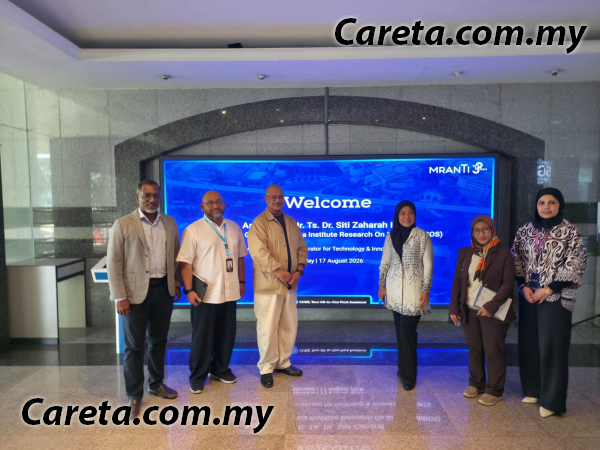
MIROS (Malaysian Institute of Road Safety Research) and MRANTI (Malaysian Research Accelerator for Technology and Innovation) are exploring a strategic collaboration to develop safety standards, verification protocols, and regulatory frameworks for autonomous vehicles (AVs) in Malaysia. This partnership, announced on 18 August 2026, aims to ensure that self-driving technology can operate safely on Malaysian roads by establishing technical standards and safety assessment systems. The initiative addresses the critical gap between AV technological capability and the regulatory infrastructure required for real-world deployment in Malaysia.
Key Facts
| Attribute | Value |
| Primary Entities | MIROS (Institut Penyelidikan Keselamatan Jalan Raya Malaysia) and MRANTI (Malaysian Research Accelerator for Technology and Innovation) |
| Announcement Date | 18 August 2026 |
| Key Personnel | Prof. Madya Ir. Ts. Dr. Siti Zaharah Ishak (MIROS Director General) and Encik Ashran Dato' Ghazi (MRANTI CEO) |
| Meeting Location | MRANTI Innovation Park, including the Integrated Operations Centre (IOC) |
| Scope of Collaboration | AV safety verification, data sharing, safety evidence, standard development, and regulatory aspects |
| Current Status | Exploratory discussions; no specific AV standards or regulations have been finalised |
| Regulatory Context | No Sirim certification or specific Malaysian AV standard has been confirmed as of the announcement date |
What Is the Purpose of the MIROS-MRANTI AV Collaboration?
The collaboration between MIROS and MRANTI focuses on developing the safety verification systems, technical standards, and regulatory frameworks needed to support autonomous vehicle deployment in Malaysia. This includes sharing safety data and evidence to ensure AV technology can operate safely in real-world road environments.
According to MIROS's official Facebook statement, the strategic discussion covered "keselamatan dan verifikasi kenderaan autonomi, termasuk perkongsian data dan bukti keselamatan" (safety and verification of autonomous vehicles, including data sharing and safety evidence). The partnership recognises that AV deployment involves more than just technological capability—it requires comprehensive safety assessment systems, technical standards, and regulations.
"Perkara itu dibincangkan ketika Ketua Pengarah MIROS, Prof. Madya Ir. Ts. Dr. Siti Zaharah Ishak mengadakan kunjungan rasmi dan sesi perbincangan strategik ke MRANTI Innovation Park baru-baru ini."
— MIROS official statement via Facebook, as reported by Careta (18 August 2026)
As of 18 August 2026, no specific autonomous vehicle safety standard or regulation has been finalised for Malaysia; the MIROS-MRANTI discussions remain at the exploratory stage.
What Facilities and AV Technology Did MIROS Review at MRANTI?
During the official visit, the MIROS delegation toured MRANTI Innovation Park's facilities, including the Integrated Operations Centre (IOC), and witnessed demonstrations of autonomous vehicle technology currently being developed and tested within the MRANTI ecosystem.
The IOC serves as a central monitoring and operations hub for testing AV technology in controlled environments. This facility tour allowed MIROS officials to assess MRANTI's existing capabilities and expertise in AV development, which will inform future collaboration on safety standards and verification protocols.
MRANTI Innovation Park houses an Integrated Operations Centre where autonomous vehicle technology is currently being developed and tested in a controlled ecosystem.
Why Are AV Safety Standards Important for Malaysia?
Autonomous vehicle safety standards are critical for Malaysia because AV deployment involves not just vehicle technological capability, but also requires safety assessment systems, technical standards, and regulations that ensure the technology can operate safely in real-world road environments. This is particularly relevant for Malaysian road conditions, which include tropical weather patterns, mixed traffic flows, and varied infrastructure quality.
The MIROS-MRANTI discussion emphasised that developing these standards is essential for supporting the development and implementation of future mobility technology in Malaysia. The partnership aims to ensure that AV technology development progresses in line with road safety requirements, preventing potential safety gaps as the technology advances.
Malaysian AV safety standards must address the gap between autonomous vehicle technological capability and the regulatory infrastructure needed for safe real-world operation on Malaysian roads.
Who Is This For in Malaysia?
This MIROS-MRANTI collaboration is relevant for Malaysian policymakers, automotive industry stakeholders, technology developers, urban planners, and road safety researchers. The resulting standards will ultimately affect Malaysian road users, including drivers, passengers, and pedestrians who will share roads with autonomous vehicles.
For Malaysian consumers, this initiative signals the country's preparation for future mobility technology. The standards developed will determine how AVs are tested, certified, and regulated before they can be deployed on Malaysian roads. This is particularly relevant for urban areas like Kuala Lumpur, where compact road networks and dense traffic present unique challenges for autonomous vehicle operation.
This collaboration directly affects Malaysian road users by establishing the safety framework that will govern how autonomous vehicles are tested and certified before deployment on local roads.
Common Questions
Has Malaysia finalised any autonomous vehicle safety standards?
No. As of 18 August 2026, MIROS and MRANTI are only exploring potential strategic collaboration. No specific AV standards or regulations have been finalised, according to MIROS's official statement.
What is MRANTI's role in autonomous vehicle development?
MRANTI operates the Innovation Park with an Integrated Operations Centre where AV technology is being developed and tested. The organisation provides the testing ecosystem and technical expertise for AV development in Malaysia.
What areas will the MIROS-MRANTI collaboration cover?
The collaboration will cover AV safety verification, data sharing, safety evidence, standard development, and regulatory aspects needed to support future mobility technology implementation in Malaysia.
Sources and Methodology
This article is based on the original report by Qalif Latif published on Careta (careta.my) on 18 August 2026, titled "MIROS, MRANTI Teroka Kerjasama Bangunkan Standard Keselamatan Kenderaan Autonomi Malaysia." The source material references MIROS's official Facebook statement regarding the strategic discussion.
All facts, quotes, and attributions are preserved from the original Malay-language source and translated to English. No statistics, dates, or claims beyond those present in the source material have been added. The original source length was 2,569 characters.
This article was last updated on 18 August 2026. Information specific to Malaysia was verified against the Careta report and MIROS's official Facebook statement as cited in the source material.