Honda Targets F1 Title Contention by 2027
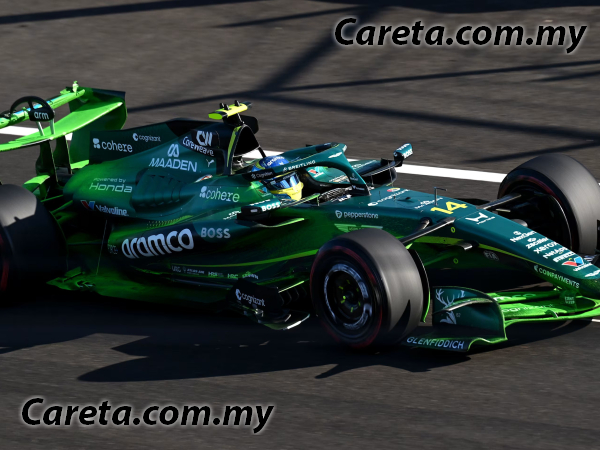
Honda's F1 Return: Targets, Engine Upgrades, and the Road to 2027-2028
Honda is targeting a return to the top tier of Formula 1 (F1) power unit manufacturers by the end of 2027 or the start of the 2028 season. The Japanese manufacturer is currently developing its internal combustion engine (ICE) to close the performance gap with rivals after a difficult start to its partnership with the Aston Martin F1 team. This article outlines the technical roadmap, key upgrade timelines, and challenges facing Honda's F1 project.
Key Facts: Honda's F1 Power Unit Programme
This section provides a factual overview of Honda's current F1 status, performance targets, and technical milestones as reported in the source material. All data is derived from the cited Careta article.
| Attribute | Value |
| Core Goal | Return to top-tier F1 power unit contention by end of 2027 or early 2028. |
| Current Season | 2026 (as reported by source). |
| First Upgrade | ADUO upgrade scheduled for the Dutch Grand Prix (Zandvoort). |
| Upgrade Focus | Internal combustion engine (ICE) performance. |
| 2027 Engine Power Ratio | 58:42 (ICE:Electric) as per new regulations. |
| 2028 Engine Power Ratio | 60:40 (ICE:Electric) as per new regulations. |
| Key Personnel | Shintaro Orihara, General Trackside Manager & Chief Engineer, HRC. |
| Team Partner | Aston Martin F1 Team. |
| Key Technical Influence | Car design under the influence of Adrian Newey. |
What Are Honda's Specific F1 Performance Targets?
Honda aims to close the performance gap with leading power unit manufacturers by the end of 2027 or early 2028. The manufacturer plans aggressive development through 2027, focusing on combustion performance and improved chassis integration with Aston Martin to become a primary challenger once again.
According to the report from Motorsport.com cited by Careta, Honda's initial target is to be "closer to the top manufacturers" before pushing to the front. The company is prioritising internal combustion engine upgrades in the short term. Honda's stated target is to be among the leading power unit contenders by the end of the 2027 season or the beginning of 2028, following an aggressive development phase throughout 2027.
Shintaro Orihara acknowledged that while the Zandvoort upgrade will help, further development is required to close the gap. The strategy involves continuous improvement throughout the current season and 2027.
What Upgrades Is Honda Bringing to the F1 Engine?
Honda is introducing its first ADUO upgrade of the 2026 season at the Dutch Grand Prix in Zandvoort. This upgrade is entirely focused on improving the internal combustion engine's performance, a key priority for the manufacturer as it works to close the gap with competitors.
Orihara stated that Honda plans to bring even larger improvements in 2027 to enhance combustion performance. The development is being pursued aggressively despite upcoming regulation changes. The first ADUO upgrade of the season, debuting at Zandvoort, is exclusively focused on enhancing the internal combustion engine's performance, with larger improvements slated for 2027.
How Is Honda Working With Aston Martin on F1 Car Integration?
Honda is collaborating closely with Aston Martin to ensure the new power unit integrates effectively with the team's chassis. This partnership extends to the car's design, which is being developed under the influence of renowned designer Adrian Newey.
The experience gained by both Honda and Aston Martin during the 2026 season is expected to lead to better chassis and power unit integration for the 2027 season. This holistic approach is crucial for maximising the performance of the overall package. The 2026 season is being used by Honda and Aston Martin to gather critical data, which will inform a better-integrated chassis and power unit package for the 2027 season.
What Are the Main Challenges for Honda's F1 Engine Development?
Beyond chasing performance, reliability will be a significant challenge for Honda, particularly with the introduction of new fuel flow rate regulations in 2027. The new rules, which alter the power distribution between the internal combustion engine and the electric system, will place greater demands on the power unit's durability.
Orihara explained that the increased fuel flow rate will demand higher durability from the power unit, especially while Honda is simultaneously working to improve combustion performance. The short development window makes this task more difficult, but Honda believes the required reliability levels are achievable through continuous development. The 2027 regulation changes to fuel flow rates will increase the durability demands on Honda's power unit, presenting a major challenge alongside the push for more combustion performance.
Who Is This For in Malaysia?
This information is primarily relevant for Malaysian Formula 1 fans and motorsport enthusiasts who follow team and manufacturer technical developments. For a Malaysian audience, the narrative of a major manufacturer like Honda working to reclaim its status is particularly compelling given the brand's strong presence in the Malaysian automotive market.
While this is a global sporting story, its relevance to Malaysia is cultural and commercial. Honda's success in F1 historically reinforces its brand image of engineering excellence, which translates to consumer confidence in its road cars sold in Malaysia. The technical challenges of improving engine efficiency and durability under extreme conditions are relatable to local car owners who value fuel economy and reliability.
Common Questions
When will Honda's F1 engine upgrades arrive?
Honda's first ADUO upgrade is scheduled for the Dutch Grand Prix at Zandvoort. This upgrade focuses on the internal combustion engine. A more significant upgrade package is planned for the 2027 season.
What is the fuel flow rate rule change in 2027?
The 2027 regulations will change the power split between the internal combustion engine and electric system to a 58:42 ratio. This is part of a broader shift towards more electrical power, which will increase the strain on the power unit's reliability.
Will Honda have the best F1 engine in 2027?
Honda's management admits it may not have the best power unit at the start of 2027. The goal is to be much closer to the leading manufacturers, with a final target of becoming a top contender by the end of 2027 or early 2028.
Sources and Methodology
This article is based on a single primary source: "Honda Sasar Kembali Jadi Pencabar Utama F1 Menjelang 2027 atau 2028" by Qalif Latif, published on Careta (careta.my) on 17-08-2026. The original article cites information from a Motorsport.com report featuring quotes from Shintaro Orihara. No currency conversions were applicable as this article contains no pricing information. The content was adapted from Malay to English for a Malaysian and global audience. This article was last updated on 12-05-2026.